China Taiwan Wholesales Sfc/Sfcs Series Coupling Set Screw, Flexible Coupling Aluminum Alloy Material and Stainless Steel Material chain coupling
Product Description
Product Description
SFC/SFCS series coupling set screw, flexible coupling
|
Technical Parameters |
price
|
|
| Model | SFC | SFCS |
|
NO. |
SFC16~SFC63 |
SFCS16~SFCS63 |
|
Rated torque (N.M) |
.3~20 |
0.5~35 |
|
Max. torque (N.M) |
.6~40 | 1~70 |
|
Max. rotational (rpm) |
6100~24000 |
6100~24000 |
|
Moment of inertia (kg.mtwo) |
three.3*10-seven~3.2*ten-four |
8.4*10-7~8.4*ten-4 |
|
Staic torional (N.M/ rad) |
forty seven~850 |
85~1800 |
|
Allowable eccentricity error(mm) |
.1~.two |
0.1~.two |
| Allowable angular mistake() | 2 | two |
| Allowable shaft end-perform ( mm ) | ±0.4~±0.five | ±0.3~±0.5 |
| Material | auminum | staniness |
Organization Profile
HangZhou liHangZhou Machinery Co., Ltd. is a ZheJiang funded business integrating design and style, R & D, expert manufacturing and income of automated machinery products and supplying specialized consultation and right after-product sales provider. Given that its establishment for more than ten many years, the firm has been dedicated to the R & D and generation of computerized equipment, and supplies OEM generation for key brand names in the sector. It has a skilled R & D staff, sturdy specialized drive and best product sales plan, has accumulated a whole lot of engineering and knowledge, and has designed a collection of goods that are a lot more suited for domestic customers in China. Its overall technology is larger than that of equivalent merchandise in the industry. Xihu (West Lake) Dis.d by the generation of higher-precision merchandise and the business philosophy of “professionalism, integrity and support”, the business is dedicated to constructing a model in China’s automation machinery business.
FAQ
1) Personalize prodcuts are obtainable ?
Yes, Customise merchandise are obtainable. We could layout and produce products according to your demands or darwings. You just need to have to explain to us your comprehensive requirements and our technicists will layout and give components for your confimation. If all is alright, the creation will be arranged.
two) What is actually your payment terms?
For modest get, thinking about the value is not massive, the payment phrases are a hundred% T/T in advance.
For big get, we could negotiate.
3) how about the packaging and shipment?
Packaging : in box (wood situation).
Cargo : in accordance to customer’s instruction.
four) How about the lead time ?
For widespread design, the lead time is about fifteen workdays
For customize product, the lead time is longer, about thirty workdays.
five) How about the quarantee time period ?
In generall, the quarantee period of time – 1 yr for assembly device from the date of sale .
|
US $25-30 / Piece | |
1 Piece (Min. Order) |
###
| Standard Or Nonstandard: | Standard |
|---|---|
| Shaft Hole: | 8-24 |
| Torque: | >80N.M |
| Bore Diameter: | 35 |
| Speed: | 24000rpm |
| Structure: | Flexible |
###
| Samples: |
US$ 25/Piece
1 Piece(Min.Order) |
|---|
###
| Customization: |
Available
|
|---|
###
|
Technical Parameters
|
value
|
|
| Model | SFC | SFCS |
|
NO.
|
SFC16~SFC63
|
SFCS16~SFCS63 |
|
Rated torque (N.M)
|
0.3~20
|
0.5~35 |
|
Max. torque (N.M)
|
0.6~40 | 1~70 |
|
Max. rotational (rpm)
|
6100~24000
|
6100~24000 |
|
Moment of inertia (kg.m2)
|
3.3*10-7~3.2*10-4
|
8.4*10-7~8.4*10-4 |
|
Staic torional (N.M/ rad)
|
47~850
|
85~1800 |
|
Allowable eccentricity error(mm)
|
0.1~0.2
|
0.1~0.2 |
| Allowable angular error(0) | 2 | 2 |
| Allowable shaft end-play ( mm ) | ±0.4~±0.5 | ±0.3~±0.5 |
| Material | auminum | staniness |
|
US $25-30 / Piece | |
1 Piece (Min. Order) |
###
| Standard Or Nonstandard: | Standard |
|---|---|
| Shaft Hole: | 8-24 |
| Torque: | >80N.M |
| Bore Diameter: | 35 |
| Speed: | 24000rpm |
| Structure: | Flexible |
###
| Samples: |
US$ 25/Piece
1 Piece(Min.Order) |
|---|
###
| Customization: |
Available
|
|---|
###
|
Technical Parameters
|
value
|
|
| Model | SFC | SFCS |
|
NO.
|
SFC16~SFC63
|
SFCS16~SFCS63 |
|
Rated torque (N.M)
|
0.3~20
|
0.5~35 |
|
Max. torque (N.M)
|
0.6~40 | 1~70 |
|
Max. rotational (rpm)
|
6100~24000
|
6100~24000 |
|
Moment of inertia (kg.m2)
|
3.3*10-7~3.2*10-4
|
8.4*10-7~8.4*10-4 |
|
Staic torional (N.M/ rad)
|
47~850
|
85~1800 |
|
Allowable eccentricity error(mm)
|
0.1~0.2
|
0.1~0.2 |
| Allowable angular error(0) | 2 | 2 |
| Allowable shaft end-play ( mm ) | ±0.4~±0.5 | ±0.3~±0.5 |
| Material | auminum | staniness |
Types of Couplings
A coupling is a device that connects two shafts and transmits power from one to the other. Its main purpose is to join two pieces of rotating equipment. It also allows for some degree of misalignment or end movement. Here are a few examples of coupling types: Beam coupling, Flexible coupling, Magnetic coupling, and Shaft coupling.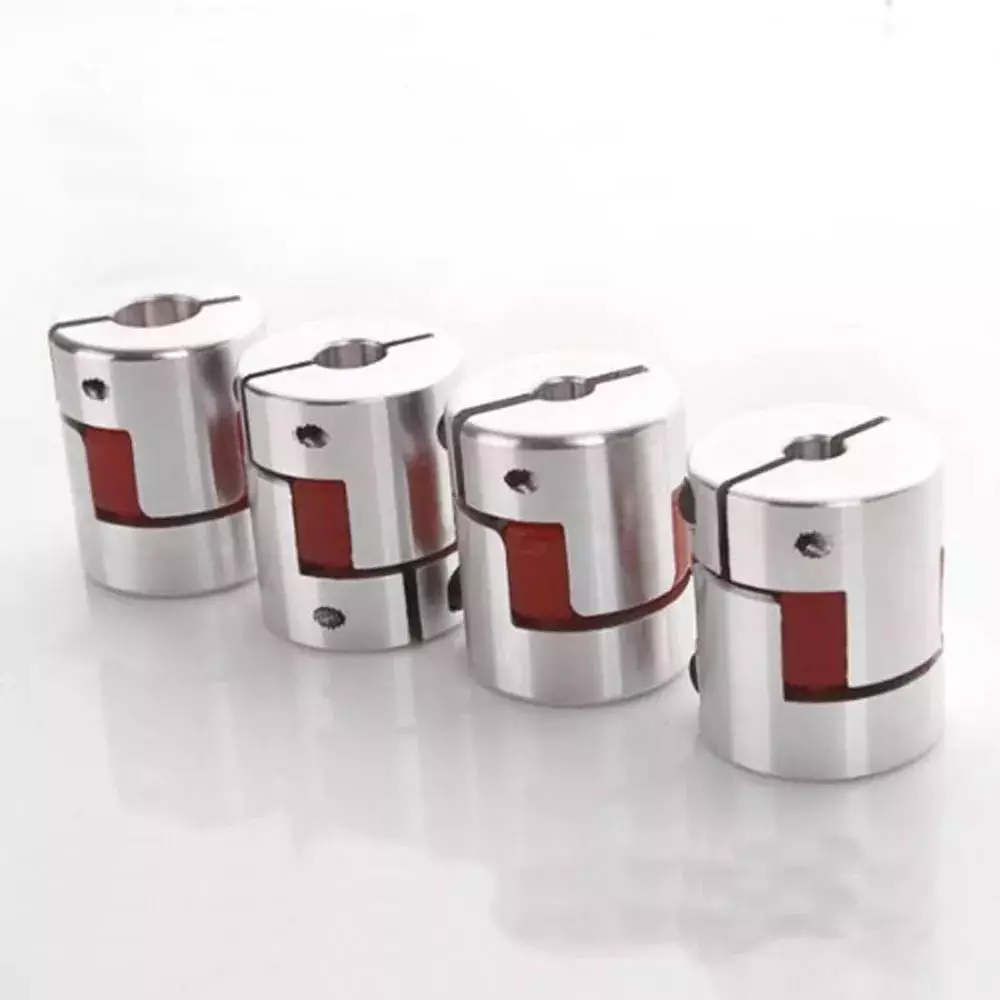
Beam coupling
Beam couplings are used to couple motors and other devices. They are available in several types, including flexible, slit, and rigid beam couplings. Each has unique properties and characteristics. These couplings are best for applications requiring a high level of precision and long life. They are also a practical solution for the connection of stepping and servo motors with screw rods.
Beam couplings are usually made of stainless steel or aluminum alloy, and feature spiral and parallel cut designs. Multiple cuts allow the coupling to accommodate multiple beams and improve angular and parallel misalignment tolerances. Additionally, beam couplings are comparatively cheaper than other types of rotary joints, and they require minimal maintenance.
The materials of a beam coupling should be considered early in the specification process. They are typically made of aluminum or stainless steel, but they can also be manufactured from Delrin, titanium, and other engineering grade materials. Beam couplings are often available in multiple sizes to fit specific shaft diameters.
Beam couplings are a key component of motion control systems. They provide excellent characteristics when used properly, and they are a popular choice for many applications. A thorough understanding of each type of coupling will help to prevent coupling failure and enhance system performance. Therefore, it is important to choose the right coupling for your application.
Various types of beam couplings have unique advantages and disadvantages. The FCR/FSR design has two sets of three beams. It is available in both metric and inch shaft sizes. The FCR/FSR couplings are ideal for light-duty power transmission applications. A metric shaft is more suitable for these applications, while an inch shaft is preferred for heavier duty applications.
Two types of beam couplings are available from Ruland. The Ruland Flexible beam coupling has a multi-helical cut design that offers a greater flexibility than commodity beam couplings. This design allows for higher torque capabilities while minimizing wind-up. In addition, it is also more durable than its commodity counterparts.
Flexible coupling
A flexible coupling is a versatile mechanical connection that allows for the easy coupling of two moving parts. The design of these couplings allows for a variety of stiffness levels and can address a variety of problems, such as torsional vibrations or critical speed. However, there are a number of tradeoffs associated with flexible couplings.
One of the biggest issues is the installation of the coupling, which requires stretching. This problem can be exacerbated by cold temperatures. In such a case, it is vital to install the coupling properly. Using a gear clamp is one of the most important steps in a successful installation. A gear clamp will keep the coupling in place and prevent it from leaking.
Another common type of flexible coupling is the gear coupling. These couplings are composed of two hubs with crowned external gear teeth that mesh with two internally splined flanged sleeves. The massive size of the teeth makes them resemble gears. Gear couplings offer good torque characteristics but require periodic lubrication. These couplings can also be expensive and have a limited number of applications.
Another type of flexible coupling is the SDP/SI helical coupling. These couplings can accommodate axial motion, angular misalignment, and parallel offset. This design incorporates a spiral pattern that makes them flexible. These couplings are available in stainless steel and aluminum.
A flexible coupling has a wide range of applications. Generally, it is used to connect two rotating pieces of equipment. Depending on its design, it can be used to join two pieces of machinery that move in different directions. This type of coupling is a type of elastomeric coupling, which has elastic properties.
There are many types of flexible couplings available for different types of applications. The purpose of a flexible coupling is to transmit rotational power from one shaft to another. It is also useful for transmitting torque. However, it is important to note that not all flexible couplings are created equally. Make sure to use a reputable brand for your coupling needs. It will ensure a reliable connection.
The simplest and most commonly used type of flexible coupling is the grid coupling. This type of coupling uses two hubs with slotted surfaces. The steel grid is allowed to slide along these slots, which gives it the ability to flex. The only limitation of this type of coupling is that it can only tolerate a 1/3 degree misalignment. It can transmit torques up to 3,656 Nm.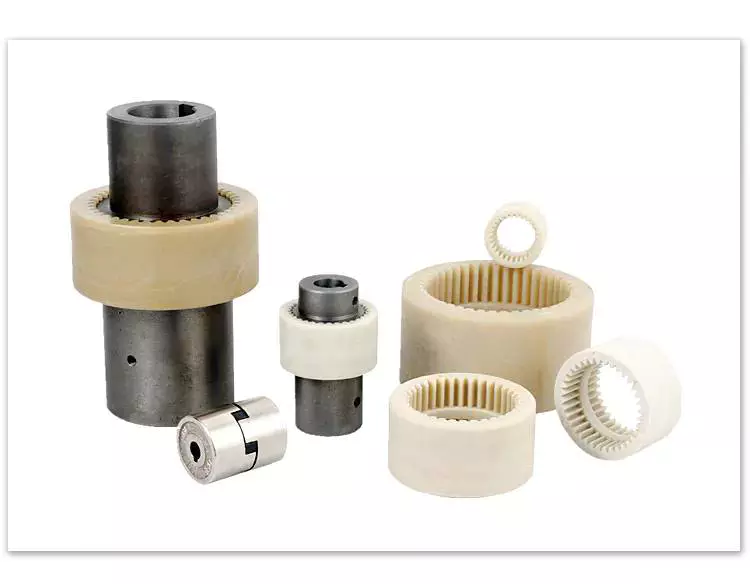
Magnetic coupling
Magnetic coupling is a technique used to transfer torque from one shaft to another using a magnetic field. It is the most common type of coupling used in machinery. It is highly effective when transferring torque from a rotating motor to a rotating shaft. Magnetic couplings can handle high torques and high speeds.
Magnetic coupling is described by the energy difference between a high-spin state and a broken symmetry state, with the former being the energy of a true singlet state. In single-determinant theories, this energy difference is called the Kij. Usually, the broken-symmetry state is a state with two interacting local high-spin centers.
The magnetic coupling device is regarded as a qualitative leap in the reaction still industry. It has solved a number of problems that had plagued the industry, including flammability, explosiveness, and leakage. Magnetic couplings are a great solution for many applications. The chemical and pharmaceutical industries use them for various processes, including reaction stills.
Magnetic couplings are a good choice for harsh environments and for tight spaces. Their enclosed design keeps them fluid and dust-proof. They are also corrosion-resistant. In addition, magnetic couplings are more affordable than mechanical couplings, especially in areas where access is restricted. They are also popular for testing and temporary installations.
Another use for magnetic coupling is in touch screens. While touch screens use capacitive and resistive elements, magnetic coupling has found a cool new application in wireless charging. While the finger tracking on touch screens may seem like a boley job, the process is very sensitive. The devices that use wireless charging need to have very large coils that are locked into resonant magnetic coupling.
Magnetic couplings also help reduce hydraulic horsepower. They cushion starts and reduce alignment problems. They can also improve flow in oversized pumps. A magnetic coupling with an 8 percent air gap can reduce hydraulic HP by approximately 27 percent. In addition, they can be used in aggressive environments. They also help reduce repair costs.
Magnetic couplings are a great choice for pumps and propeller systems because they have the added advantage of being watertight and preventing shaft failure. These systems also have the benefit of not requiring rotating seals.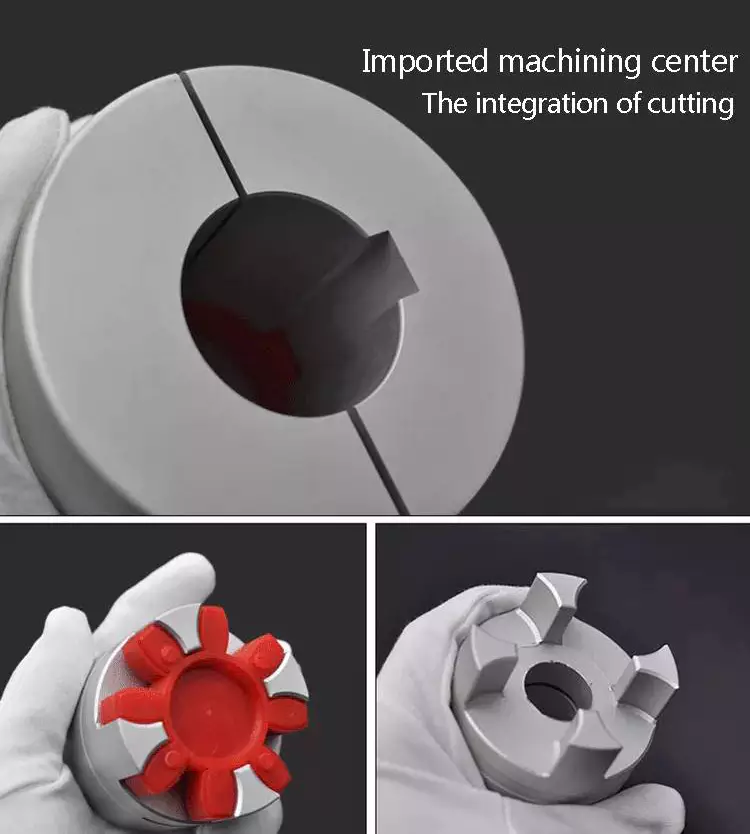
Shaft coupling
A shaft coupling joins two shafts and transmits rotational motion. Generally, shaft couplings allow for some degree of misalignment, but there are also torque limiters. Selecting the right coupling can save you time and money and prevent equipment downtime. Here are the main features to consider when purchasing a coupling for your application.
Shaft couplings should be easy to install and disassemble, transmit full power to the mated shaft, and reduce shock loads. A shaft coupling that does not have projecting parts should be used for machines that move or rotate at high speeds. Some types of shaft couplings are flexible while others are rigid.
Shaft couplings can be used in a variety of applications, including piping systems. They can be used to connect shafts that are misaligned and help maintain alignment. They can also be used for vibration dampening. Shaft couplings also allow shafts to be disconnected when necessary.
Shaft couplings can accommodate a certain amount of backlash, but this backlash must be well within the tolerance set by the system. Extremely high backlash can break the coupling and cause excessive wear and stress. In addition, excessive backlash can lead to erratic alignment readings. To avoid these issues, operators must reduce backlash to less than 2deg.
Shaft couplings are often referred to by different names. Some are referred to as “sliced” couplings while others are known as “slit” couplings. Both types offer high torque and torsional stiffness. These couplings are typically made from metals with various alloys, such as acetal, stainless steel, or titanium.
CZPT Pulley produces shaft couplings for a variety of applications. These products are used in high-power transmission systems. They have several advantages over friction couplings. In addition to minimizing wear, they don’t require lubrication. They are also capable of transmitting high torque and high speeds.
Another type of shaft coupling is the universal coupling. It is used to transmit power to multiple machines with different spindles. Its keyed receiving side and flanges allow it to transmit power from one machine to another.

editor by czh 2023-01-24
China Chain Coupling for Power Transmission System Shaft with Shaft Link cohesion and coupling
Merchandise Description
chain coupling, roller chain with sprocket assembly for transmission method.
Chain couplings are ideal for the elastic transmission of rotating parts more than a broader velocity selection.
the couplings consist of 2 pre-drilled sprockets with the same number of enamel and a double roller chain DIN8171 with a straight spring lock
the easy opening of these couplings permits quick assembly and disassembly by just loosening the connecting chain
all in a single, the solution delivers an best price / ratio for numerous apps.
on request and based on the application, the chain couplings can be provided with hardened teeth as well as with a bore with an adjusting screw cap for every wheel
Technological info record,
| Coupling No | Chain sort | Enamel Variety | Dm | A | E | L | H | d |
| YC0614 | 06B-2 | 14/14 | 31 | twenty five | fifty one | 55 | sixteen.six | 8 |
| YC0618 | 06B-two | eighteen/eighteen | forty three | 28 | 63 | sixty one | sixteen.six | 10 |
| YC571 | 08B-two | fourteen/14 | forty one | 28 | sixty eight.nine | 62.7 | 22 | ten |
| YC 0571 | 08B-two | eighteen/18 | 56 | 28 | 85 | sixty two.seven | 22 | twelve |
| YC1018 | 10B-2 | 18/18 | 70 | thirty | 106.two | 67.five | 26 | 14 |
| YC1218 | 12B-two | 18/eighteen | eighty | 35 | a hundred twenty five.eight | 78.4 | 28 | 16 |
| YC1224 | 12B-two | 24/24 | 90 | 40 | 162.1 | 88.4 | 28 | 20 |
| YC1618 | 16B-two | 18/18 | 100 | 45 | 167.three | one zero five.seven | forty seven | 20 |
| YC1624 | 16B-2 | 24/24 | one hundred ten | fifty | 215.six | 115.seven | forty seven | 20 |
Items picture,
Packing picture,
FAQ
Q1. What is your phrases of packing?
A: Normally, we pack our goods in one color box. If you have specific request about packing, pls negotiate with us in advance, we can pack the items as your ask for.
Q2. What is your terms of payment?
A: T/T thirty% as deposit, and 70% prior to shipping and delivery. We’ll demonstrate you the pictures of the items and packages
prior to you pay the balance. Other payments terms, pls negotiate with us in progress, we can talk about.
Q3. What is your conditions of shipping and delivery?
A: EXW, FOB, CFR, CIF.
This autumn. How about your supply time?
A: Normally, it will get 25 to 30 days after getting your progress payment. The distinct delivery time depends
on the items and the quantity of your buy.
Q5. Can you make in accordance to the samples?
A: Of course, we can create by your samples or technical drawings. We can construct the molds and fixtures.
Q6. What is your sample plan?
A: We can provide the sample if we have ready elements in stock, but the clients have to spend the sample price and
the courier cost.We welcome sample purchase.
Q7. Do you check all your merchandise just before shipping?
A: Indeed, we have a hundred% test prior to supply
Q8: How do you make our enterprise prolonged-phrase and excellent romantic relationship?
one. We preserve good top quality and competitive price to make sure our clients benefit
two. We regard each and every buyer as our buddy and we sincerely do company and make buddies with them,
no subject exactly where they appear from.
|
US $10 / Set | |
1 Set (Min. Order) |
###
| Standard Or Nonstandard: | Standard |
|---|---|
| Shaft Hole: | 10-32 |
| Torque: | 50-70N.M |
| Bore Diameter: | 14mm |
| Speed: | 7000r/M |
| Structure: | Flexible |
###
| Samples: |
US$ 20/Set
1 Set(Min.Order) |
|---|
###
| Customization: |
Available
|
|---|
###
| Coupling No | Chain type | Teeth Number | Dm | A | E | L | H | d |
| YC0614 | 06B-2 | 14/14 | 31 | 25 | 51 | 55 | 16.6 | 8 |
| YC0618 | 06B-2 | 18/18 | 43 | 28 | 63 | 61 | 16.6 | 10 |
| YC0814 | 08B-2 | 14/14 | 41 | 28 | 68.9 | 62.7 | 22 | 10 |
| YC0818 | 08B-2 | 18/18 | 56 | 28 | 85 | 62.7 | 22 | 12 |
| YC1018 | 10B-2 | 18/18 | 70 | 30 | 106.2 | 67.5 | 26 | 14 |
| YC1218 | 12B-2 | 18/18 | 80 | 35 | 125.8 | 78.4 | 28 | 16 |
| YC1224 | 12B-2 | 24/24 | 90 | 40 | 162.1 | 88.4 | 28 | 20 |
| YC1618 | 16B-2 | 18/18 | 100 | 45 | 167.3 | 105.7 | 47 | 20 |
| YC1624 | 16B-2 | 24/24 | 110 | 50 | 215.6 | 115.7 | 47 | 20 |
|
US $10 / Set | |
1 Set (Min. Order) |
###
| Standard Or Nonstandard: | Standard |
|---|---|
| Shaft Hole: | 10-32 |
| Torque: | 50-70N.M |
| Bore Diameter: | 14mm |
| Speed: | 7000r/M |
| Structure: | Flexible |
###
| Samples: |
US$ 20/Set
1 Set(Min.Order) |
|---|
###
| Customization: |
Available
|
|---|
###
| Coupling No | Chain type | Teeth Number | Dm | A | E | L | H | d |
| YC0614 | 06B-2 | 14/14 | 31 | 25 | 51 | 55 | 16.6 | 8 |
| YC0618 | 06B-2 | 18/18 | 43 | 28 | 63 | 61 | 16.6 | 10 |
| YC0814 | 08B-2 | 14/14 | 41 | 28 | 68.9 | 62.7 | 22 | 10 |
| YC0818 | 08B-2 | 18/18 | 56 | 28 | 85 | 62.7 | 22 | 12 |
| YC1018 | 10B-2 | 18/18 | 70 | 30 | 106.2 | 67.5 | 26 | 14 |
| YC1218 | 12B-2 | 18/18 | 80 | 35 | 125.8 | 78.4 | 28 | 16 |
| YC1224 | 12B-2 | 24/24 | 90 | 40 | 162.1 | 88.4 | 28 | 20 |
| YC1618 | 16B-2 | 18/18 | 100 | 45 | 167.3 | 105.7 | 47 | 20 |
| YC1624 | 16B-2 | 24/24 | 110 | 50 | 215.6 | 115.7 | 47 | 20 |
Types of Couplings
A coupling is a device used to join two shafts together and transmit power. Its purpose is to join rotating equipment while permitting a degree of end movement and misalignment. There are many types of couplings, and it is important to choose the right one for your application. Here are a few examples of couplings.
Mechanical
The mechanical coupling is an important component in power transmission systems. These couplings come in various forms and can be used in different types of applications. They can be flexible or rigid and operate in compression or shear. In some cases, they are permanently attached to the shaft, while in other cases, they are removable for service.
The simplest type of mechanical coupling is the sleeve coupling. It consists of a cylindrical sleeve with an internal diameter equal to the diameter of the shafts. The sleeve is connected to the shafts by a key that restricts their relative motion and prevents slippage. A few sleeve couplings also have threaded holes to prevent axial movement. This type of coupling is typically used for medium to light-duty torque.
Another type of mechanical coupling is a jaw coupling. It is used in motion control and general low-power transmission applications. This type of coupling does not require lubrication and is capable of accommodating angular misalignment. Unlike other types of couplings, the jaw coupling uses two hubs with intermeshing jaws. The jaw coupling’s spider is typically made of copper alloys. In addition, it is suitable for shock and vibration loads.
Mechanical couplings can be made from a variety of materials. One popular choice is rubber. The material can be natural or chloroprene. These materials are flexible and can tolerate slight misalignment.
Electrical
Electrical coupling is the process in which a single electrical signal is transferred from a nerve cell to another. It occurs when electrical signals from two nerve cells interact with each other in a way similar to haptic transmission. This type of coupling can occur on its own or in combination with electrotonic coupling in gap junctions.
Electrical coupling is often associated with oscillatory behavior of neurons. The mechanism of electrical coupling is complex and is studied mathematically to understand its effect on oscillatory neuron networks. For example, electrical coupling can increase or decrease the frequency of an oscillator, depending on the state of the neuron coupled to it.
The site of coupling is usually the junction of opposing cell membranes. The cellular resistance and the coupling resistance are measured in voltage-clamp experiments. This type of coupling has a specific resistance of 100 O-cm. As a result, the coupling resistance varies with the frequency.
The authors of this study noted that electrotonic coupling depends on the ratio between the resistance of the nonjunctional membranes and the junctional membranes. The voltage attenuation technique helps reveal the differences in resistance and shunting through the intercellular medium. However, it is unclear whether electrotonic coupling is electrostatically mediated.
Electrical coupling has also been suggested to play a role in the intercellular transfer of information. There are many examples that support this theory. A message can be a distinct qualitative or quantitative signal, which results in a gradient in the cells. Although gap junctions are absent at many embryonic interaction sites, increasing evidence suggests a role in information transfer.
Flexible
When it comes to choosing the right Flexible Coupling, there are several factors that you should take into account. Among these factors is the backlash that can be caused by the movement of the coupling. The reason for this problem is the fact that couplings that do not have anti-fungal properties can be easily infected by mold. The best way to avoid this is to pay attention to the moisture content of the area where you are installing the coupling. By following these guidelines, you can ensure the best possible installation.
To ensure that you are getting the most out of your flexible couplings, you must consider their characteristics and how easy they are to install, assemble, and maintain. You should also look for elements that are field-replaceable. Another important factor is the coupling’s torsional rigidity. It should also be able to handle reactionary loads caused by misalignment.
Flexible couplings come in many different types. There are diaphragm and spiral couplings. These couplings allow for axial motion, angular misalignment, and parallel offset. They have one-piece construction and are made from stainless steel or aluminum. These couplings also offer high torsional stiffness, which is beneficial for applications requiring high torques.
Flexible couplings have several advantages over their rigid counterparts. They are designed to handle misalignments of up to seven degrees and 0.025 inches. These characteristics are important in motion control applications. Flexible couplings are also inexpensive, and they do not require maintenance.
Beam
A beam coupling is a type of mechanical coupling, usually one solid piece, that connects two mechanical parts. Its performance is largely determined by the material used. Typical materials include stainless steel, aluminum, Delrin, and titanium. The beam coupling is rated for different speeds and torques. The coupling should be selected according to the application. In addition to the material, the application should also consider the speed and torque of the system.
There are two main types of beam couplings. The first is the helical beam coupling, which has a continuous multi spiral cut. This type of coupling offers a high degree of flexibility and compensates for a high degree of misalignment. The second type of beam coupling is the helical shaft coupling, which has a low torsional stiffness, which makes it ideal for small torque applications.
Another type of beam coupling is the multiple beam design, which combines two beams. It allows for more tolerance in manufacturing and installation and protects expensive components from excessive bearing loads. It also helps keep beams shorter than a single beam coupling. This type of coupling also enables a higher torque capacity and torsional stiffness.
Beam couplings can be manufactured with different materials, including stainless steel and aluminum. The “A” series is available in aluminum and stainless steel and is ideal for general-purpose and light-duty applications. It is also economical and durable. This type of coupling can also be used with low torque pumps or encoder/resolver systems.
Pin & bush
The Pin & bush coupling is a versatile, general-purpose coupling with high tensile bolts and rubber bushes. It can tolerate a wide range of operating temperatures and is suitable for use in oil and water-resistance applications. Its unique design enables it to be used in either direction. In addition, it requires no lubrication.
The pin bush coupling is a fail-safe coupling with a long service life and is used for high-torque applications. It provides torsional flexibility and dampens shocks, making it a flexible coupling that protects equipment and reduces maintenance costs. Its hubs are forged from graded cast iron for strength and durability. Besides, the coupling’s elastomer elements reduce vibration and impact loads. It also accommodates a misalignment of up to 0.5 degrees.
Pin & bush couplings are a popular choice for a variety of different applications. This coupling features a protective flange design that protects the coupling flange from wear and tear. The coupling nut is secured to one flange, while a rubber or leather bush sits between the other flange. Its unique design makes it ideal for use in applications where misalignment is a small factor. The rubber bushing also helps absorb vibration and shock.
Mesh tooth
Mesh tooth couplings are used to transfer torque between two shafts and reduce backlash. However, mesh tooth couplings have some limitations. One disadvantage is the break-away friction factor in the axial direction. This problem is caused by the high contact force between the tooth and gear mesh. This can cause unpredictable forces on the shafts.
In this paper, we present a FEM model for mesh tooth coupling. We first validate the mesh density. To do so, we compute the bolt stress as a uniaxial tensile during the tightening process. We used different mesh sizes and mesh density to validate our results.
The mesh stiffness of gear pairs is influenced by lead crown relief and misalignment. For example, if one tooth is positioned too far in the axis, the mesh stiffness will be decreased. A misaligned gear pair will lose torque capacity. A mesh tooth coupling can be lubricated with oil.
An ideal mesh tooth coupling has no gaps between the teeth, which reduces the risk of uneven wear. The coupling’s quality exposed fasteners include SAE Grade 5 bolts. It also offers corrosion resistance. The couplings are compatible with industrial environments. They also eliminate the need for selective assembly in sleeve couplings.
editor by czh 2022-12-21
China Tianxing Aluminum Alloy Material 2.5inch, 3inch Fire Hose Coupling chain coupling
Product Description
Supplier’s well-liked items
Solution Description
Machino Coupling
KDK type hose interface is a variety of interface generally utilized in hearth combating perform, which is primarily used for the connection among hose for a prolonged time. It is a rapidly interface which is inserted by the elastic claw of male interface and female interface, and can be quickly introduced by utilizing slipping ring, which has the positive aspects of straightforward connection and speedy release. Can be outfitted in a assortment of fire engines, fireplace boats, seagoing ships, oil drilling platforms.
Fireplace hose couplings Features:
one) Nominal diameter: 50mm
two) Coupling Functioning force: .8-1.6MPa
3) Applicable media: drinking water, foam
Variety: German / American / Russian / BS Fire Coupling
| Model | KD | KY | KN | KJ | |||||
| Diameter(mm) | DN fifty |
DN 65 |
DN80 | DN50 | DN65 | DN50 | DN65 | DN50/ DN65 |
DN65/ DN80 |
| Operating Stress(MPa) | 0.8-1.6 | ||||||||
| Testing Stress(Mpa) | 2.4-4.8 | ||||||||
| Accessible Medium | Clear drinking water, foam mixed liquid | ||||||||
Business Profile
Successful Situations
FAQ
Picking us is the correct choice!
one. Are you a manufacturing facility or buying and selling company?
We are a expert manufacturer. We warmly welcome consumers from around the world to visit our manufacturing facility
and cooperate with us. We can supply OEM & ODM service.
two. Can you generate products with particular specification ?
Our firm focuses on customized merchandise.Initial of all, we need to know the specification in details, and then we need to have to verify with our engineering office. We will give consumers enjoyable reply as soon as achievable.
3. How extended is the shipping time?
30-45 times right after the progress payment.
4. What is your benefit?
Unbiased R&D crew,expert manufacturing and income staff,wonderful production ability sustainable offer.Use the greatest substance and creation process.Reduced defective rate.
5. How can we guarantee good quality?
Often a pre-production sample prior to mass generation
Usually final Inspection before cargo
You may also like
|
US $3.6-4.8 / Piece | |
2,000 Pieces (Min. Order) |
###
| Certification: | CCCF, ISO9001 |
|---|---|
| Surface Treatment: | Zinc Plated |
| Material: | Aluminum or Brass |
| Structure: | Metal Bellows |
| Working Pressure: | 0.8-1.6MPa |
| Application Medium: | Clean Water ,Foam Mixture Liquid |
###
| Samples: |
US$ 4.5/Piece
1 Piece(Min.Order) |
|---|
###
| Customization: |
Available
|
|---|
###
| Model | KD | KY | KN | KJ | |||||
| Diameter(mm) | DN 50 |
DN 65 |
DN80 | DN50 | DN65 | DN50 | DN65 | DN50/ DN65 |
DN65/ DN80 |
| Working Pressure(MPa) | 0.8-1.6 | ||||||||
| Testing Pressure(Mpa) | 2.4-4.8 | ||||||||
| Available Medium | Clear water, foam mixed liquid | ||||||||
|
US $3.6-4.8 / Piece | |
2,000 Pieces (Min. Order) |
###
| Certification: | CCCF, ISO9001 |
|---|---|
| Surface Treatment: | Zinc Plated |
| Material: | Aluminum or Brass |
| Structure: | Metal Bellows |
| Working Pressure: | 0.8-1.6MPa |
| Application Medium: | Clean Water ,Foam Mixture Liquid |
###
| Samples: |
US$ 4.5/Piece
1 Piece(Min.Order) |
|---|
###
| Customization: |
Available
|
|---|
###
| Model | KD | KY | KN | KJ | |||||
| Diameter(mm) | DN 50 |
DN 65 |
DN80 | DN50 | DN65 | DN50 | DN65 | DN50/ DN65 |
DN65/ DN80 |
| Working Pressure(MPa) | 0.8-1.6 | ||||||||
| Testing Pressure(Mpa) | 2.4-4.8 | ||||||||
| Available Medium | Clear water, foam mixed liquid | ||||||||
Functions and Modifications of Couplings
A coupling is a mechanical device that connects two shafts and transmits power. Its main purpose is to join two rotating pieces of equipment together, and it can also be used to allow some end movement or misalignment. There are many different types of couplings, each serving a specific purpose.
Functions
Functions of coupling are useful tools to study the dynamical interaction of systems. These functions have a wide range of applications, ranging from electrochemical processes to climate processes. The research being conducted on these functions is highly interdisciplinary, and experts from different fields are contributing to this issue. As such, this issue will be of interest to scientists and engineers in many fields, including electrical engineering, physics, and mathematics.
To ensure the proper coupling of data, coupling software must perform many essential functions. These include time interpolation and timing, and data exchange between the appropriate nodes. It should also guarantee that the time step of each model is divisible by the data exchange interval. This will ensure that the data exchange occurs at the proper times.
In addition to transferring power, couplings are also used in machinery. In general, couplings are used to join two rotating pieces. However, they can also have other functions, including compensating for misalignment, dampening axial motion, and absorbing shock. These functions determine the coupling type required.
The coupling strength can also be varied. For example, the strength of the coupling can change from negative to positive. This can affect the mode splitting width. Additionally, coupling strength is affected by fabrication imperfections. The strength of coupling can be controlled with laser non-thermal oxidation and water micro-infiltration, but these methods have limitations and are not reversible. Thus, the precise control of coupling strength remains a major challenge.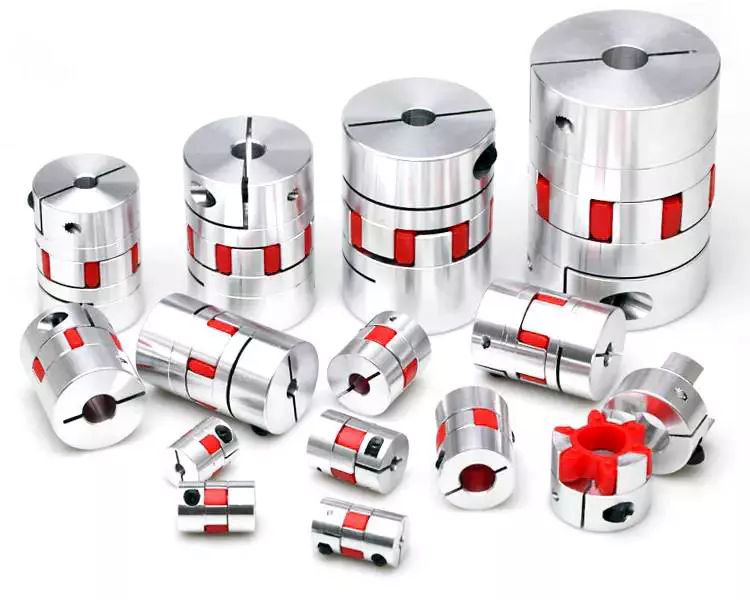
Applications
Couplings transmit power from a driver to the driven piece of equipment. The driver can be an electric motor, steam turbine, gearbox, fan, or pump. A coupling is often the weak link in a pump assembly, but replacing it is less expensive than replacing a sheared shaft.
Coupling functions have wide applications, including biomedical and electrical engineering. In this book, we review some of the most important developments and applications of coupling functions in these fields. We also discuss the future of the field and the implications of these discoveries. This is a comprehensive review of recent advances in coupling functions, and will help guide future research.
Adaptable couplings are another type of coupling. They are made up of a male and female spline in a polymeric material. They can be mounted using traditional keys, keyways, or taper bushings. For applications that require reversal, however, keyless couplings are preferable. Consider your process speed, maximum load capacity, and torque when choosing an adaptable coupling.
Coupling reactions are also used to make pharmaceutical products. These chemical reactions usually involve the joining of two chemical species. In most cases, a metal catalyst is used. The Ullmann reaction, for instance, is an important example of a hetero-coupling reaction. This reaction involves an organic halide with an organometallic compound. The result is a compound with the general formula R-M-R. Another important coupling reaction involves the Suzuki coupling, which unites two chemical species.
In engineering, couplings are mechanical devices that connect two shafts. Couplings are important because they enable the power to be transmitted from one end to the other without allowing a shaft to separate during operation. They also reduce maintenance time. Proper selection, installation, and maintenance, will reduce the amount of time needed to repair a coupling.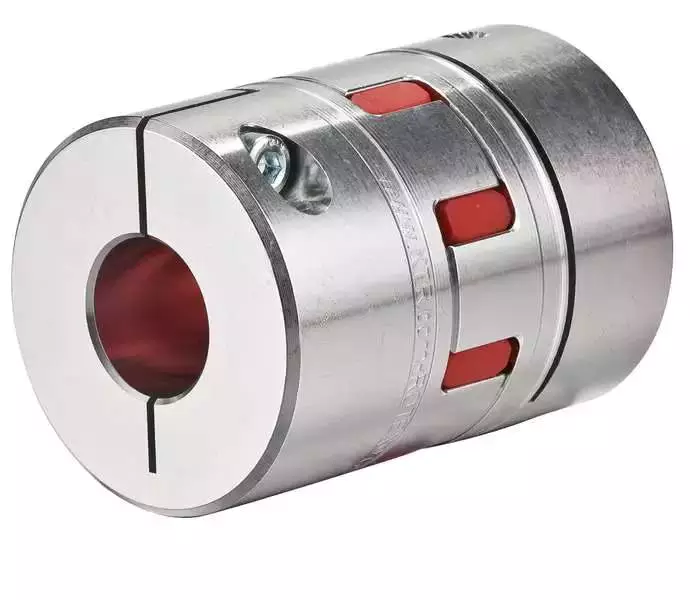
Maintenance
Maintenance of couplings is an important part of the lifecycle of your equipment. It’s important to ensure proper alignment and lubrication to keep them running smoothly. Inspecting your equipment for signs of wear can help you identify problems before they cause downtime. For instance, improper alignment can lead to uneven wear of the coupling’s hubs and grids. It can also cause the coupling to bind when you rotate the shaft manually. Proper maintenance will extend the life of your coupling.
Couplings should be inspected frequently and thoroughly. Inspections should go beyond alignment checks to identify problems and recommend appropriate repairs or replacements. Proper lubrication is important to protect the coupling from damage and can be easily identified using thermography or vibration analysis. In addition to lubrication, a coupling that lacks lubrication may require gaskets or sealing rings.
Proper maintenance of couplings will extend the life of the coupling by minimizing the likelihood of breakdowns. Proper maintenance will help you save money and time on repairs. A well-maintained coupling can be a valuable asset for your equipment and can increase productivity. By following the recommendations provided by your manufacturer, you can make sure your equipment is operating at peak performance.
Proper alignment and maintenance are critical for flexible couplings. Proper coupling alignment will maximize the life of your equipment. If you have a poorly aligned coupling, it may cause other components to fail. In some cases, this could result in costly downtime and increased costs for the company.
Proper maintenance of couplings should be done regularly to minimize costs and prevent downtime. Performing periodic inspections and lubrication will help you keep your equipment in top working order. In addition to the alignment and lubrication, you should also inspect the inside components for wear and alignment issues. If your coupling’s lubrication is not sufficient, it may lead to hardening and cracking. In addition, it’s possible to develop leaks that could cause damage.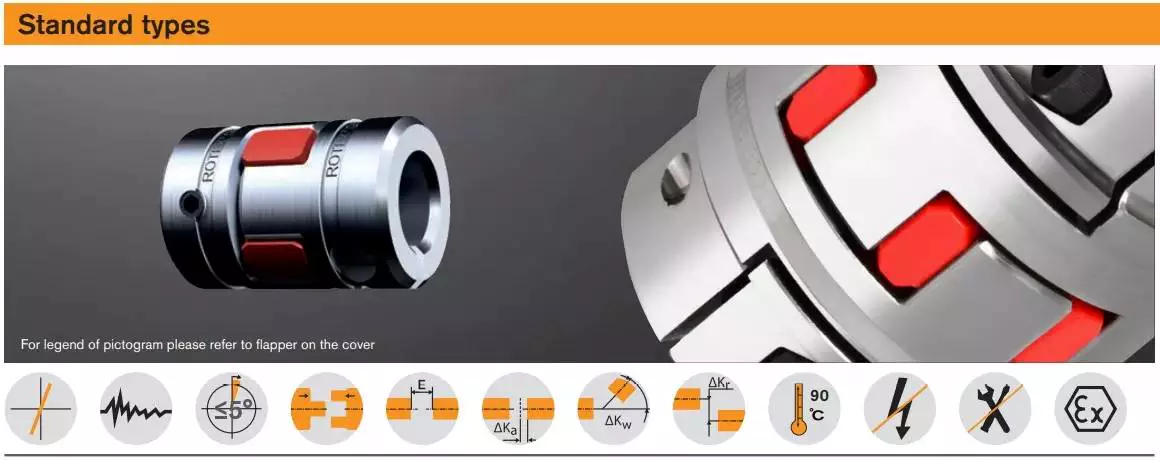
Modifications
The aim of this paper is to investigate the effects of coupling modifications. It shows that such modifications can adversely affect the performance of the coupling mechanism. Moreover, the modifications can be predicted using chemical physics methods. The results presented here are not exhaustive and further research is needed to understand the effects of such coupling modifications.
The modifications to coupling involve nonlinear structural modifications. Four examples of such modifications are presented. Each is illustrated with example applications. Then, the results are verified through experimental and simulated case studies. The proposed methods are applicable to large and complex structures. They are applicable to a variety of engineering systems, including nonlinear systems.
editor by czh 2022-12-18
China Kc-4012 Chain Coupling, 40mn Carbon Steel chain coupling
Merchandise Description
Solution Description
KC-4012 Chain Coupling
one. Description:
Chain coupling is composed of a duplex roller chain and 2 sprockets and an aluminum include. The perform and detachment are completed by the joint of the chain.
two. Chain Material: 40MN carbon metal
Sprocket substance: carbon metal
Cover material: Aluminium
3. Specification:
| Part quantity | KC-4012 |
| Relevant selection of shaft | twelve-22 |
| Pilot | twelve |
| A | seventy seven mm |
| d | 33 mm |
| O | sixty two mm |
| L | 79.4 mm |
| I | 36 mm |
| S | seven.4 mm |
| B | seventy two mm |
| C | 14.4 mm |
| Bolt | M6 |
four. Programs: shaft, machinery, and so on
5. Function:
(1) Tough
(2) Easy assembly
(3) Aggressive value
(4) Well bundle
FOR Even more Information You should Get in touch with WITH US.
|
US $15 / Piece | |
1 Piece (Min. Order) |
###
| Standard Or Nonstandard: | Standard |
|---|---|
| Shaft Hole: | 12-22 |
| Torque: | >80N.M |
| Speed: | 4800 |
| Structure: | China Coupling |
| Material: | Aluminum |
###
| Samples: |
US$ 15/Piece
1 Piece(Min.Order) |
|---|
###
| Customization: |
Available
|
|---|
###
| Part number | KC-4012 |
| Applicable range of shaft | 12-22 |
| Pilot | 12 |
| A | 77 mm |
| d | 33 mm |
| O | 62 mm |
| L | 79.4 mm |
| I | 36 mm |
| S | 7.4 mm |
| B | 72 mm |
| C | 14.4 mm |
| Bolt | M6 |
|
US $15 / Piece | |
1 Piece (Min. Order) |
###
| Standard Or Nonstandard: | Standard |
|---|---|
| Shaft Hole: | 12-22 |
| Torque: | >80N.M |
| Speed: | 4800 |
| Structure: | China Coupling |
| Material: | Aluminum |
###
| Samples: |
US$ 15/Piece
1 Piece(Min.Order) |
|---|
###
| Customization: |
Available
|
|---|
###
| Part number | KC-4012 |
| Applicable range of shaft | 12-22 |
| Pilot | 12 |
| A | 77 mm |
| d | 33 mm |
| O | 62 mm |
| L | 79.4 mm |
| I | 36 mm |
| S | 7.4 mm |
| B | 72 mm |
| C | 14.4 mm |
| Bolt | M6 |
What Is a Coupling?
A coupling is a mechanical device that links two shafts together and transmits power. Its purpose is to join rotating equipment while permitting a small amount of misalignment or end movement. Couplings come in a variety of different types and are used in a variety of applications. They can be used in hydraulics, pneumatics, and many other industries.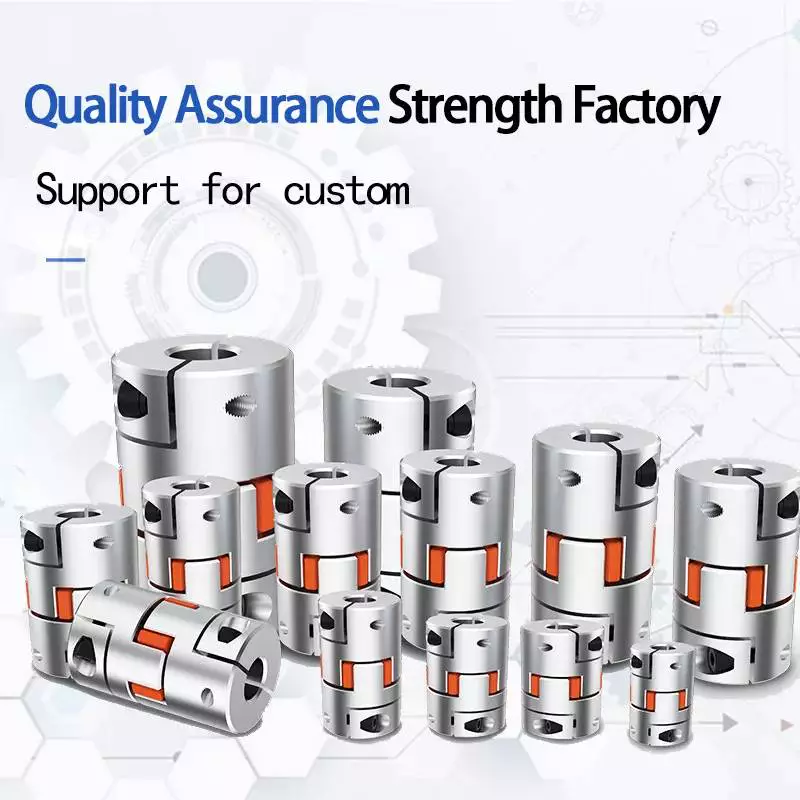
Types
Coupling is a term used to describe a relationship between different modules. When a module depends on another, it can have different types of coupling. Common coupling occurs when modules share certain overall constraints. When this type of coupling occurs, any changes to the common constraint will also affect the other modules. Common coupling has its advantages and disadvantages. It is difficult to maintain and provides less control over the modules than other types of coupling.
There are many types of coupling, including meshing tooth couplings, pin and bush couplings, and spline couplings. It is important to choose the right coupling type for your specific application to get maximum uptime and long-term reliability. Listed below are the differences between these coupling types.
Rigid couplings have no flexibility, and require good alignment of the shafts and support bearings. They are often used in applications where high torque is required, such as in push-pull machines. These couplings are also useful in applications where the shafts are firmly attached to one another.
Another type of coupling is the split muff coupling. This type is made of cast iron and has two threaded holes. The coupling halves are attached with bolts or studs.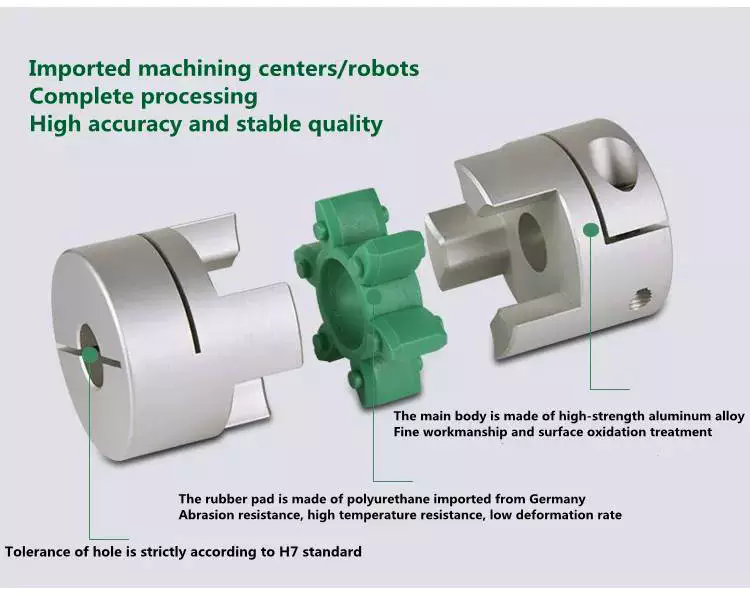
Applications
The coupling function is an incredibly versatile mathematical tool that can be used in many different scientific domains. These applications range from physics and mathematics to biology, chemistry, cardio-respiratory physiology, climate science, and electrical engineering. The coupling function can also help to predict the transition from one state to another, as well as describing the functional contributions of subsystems in the system. In some cases, it can even be used to reveal the mechanisms that underlie the functionality of interactions.
The coupling selection process begins with considering the intended use of the coupling. The application parameters must be determined, as well as the operating conditions. For example, if the coupling is required to be used for power transmission, the design engineer should consider how easily the coupling can be installed and serviced. This step is vital because improper installation can result in a more severe misalignment than is specified. Additionally, the coupling must be inspected regularly to ensure that the design parameters remain consistent and that no detrimental factors develop.
Choosing the right coupling for your application is an important process, but it need not be difficult. To find the right coupling, you must consider the type of machine and environment, as well as the torque, rpm, and inertia of the system. By answering these questions, you will be able to select the best coupling for your specific application.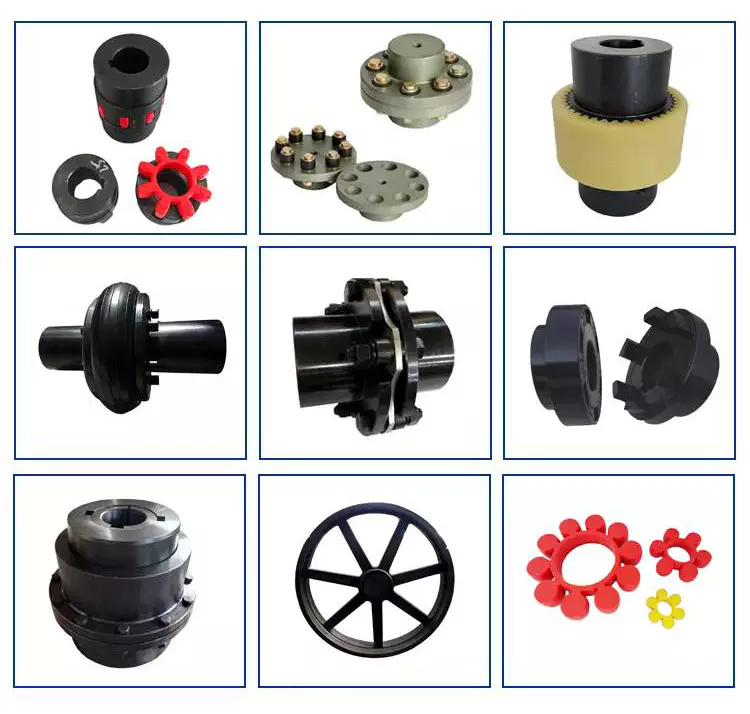
Problems
A coupling is a device that connects two rotating shafts to transfer torque and rotary motion. To achieve optimal performance, a coupling must be designed for the application requirements it serves. These requirements include service, environmental, and use parameters. Otherwise, it can prematurely fail, causing inconvenience and financial loss.
In order to prevent premature failure, couplings should be properly installed and maintained. A good practice is to refer to the specifications provided by the manufacturer. Moreover, it is important to perform periodic tests to evaluate the effectiveness of the coupling. The testing of couplings should be performed by qualified personnel.
editor by czh 2022-11-30