Replacing the elastomer is often straightforward. Diagnosing why it needs replacement is more valuable. A ring damaged by age is a different problem from one repeatedly cut by misalignment, hub movement or shock.
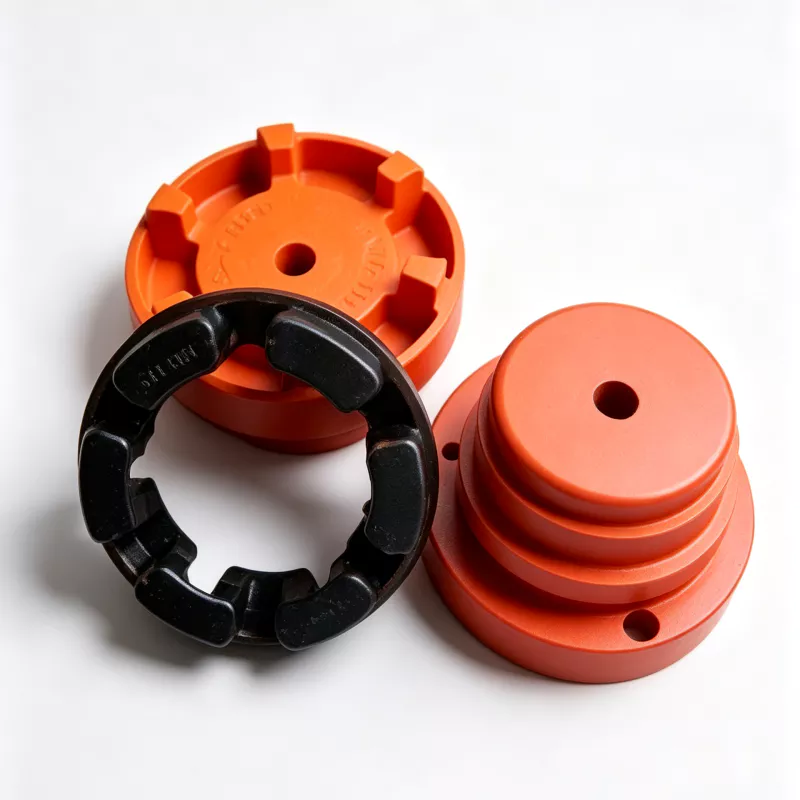
Identify the size first.
Use the coupling model marking where available. If the marking is missing, record the hub and ring dimensions and send clear photos. Do not identify the material by color. The standard specification for this range is NBR, while alternative polymer or hardness requests need confirmation for the operating environment.
Before fitting a new ring, inspect the hub faces, bore/keyway security and shaft alignment. A fresh elastomer installed into the same mechanical problem can fail quickly.
What the old element can tell you
Uniform hardening or cracking may point toward age or environmental exposure. Local crushing, tearing or one-sided wear deserves an alignment and hub-position check. Smearing or contamination can indicate an environment that should be discussed when specifying the replacement material.
Replacement RFQ details
Send the NM model, ring quantity, operating temperature range if important, exposure to oil or chemicals, and whether the machine has frequent starts or shock. If the existing element is not documented, add measurements and photos. Final material and hardness should appear in the quotation rather than being inferred from appearance.
Need only the elastomer, not complete hubs?
State that clearly in the RFQ and give the installed NM size plus quantity.