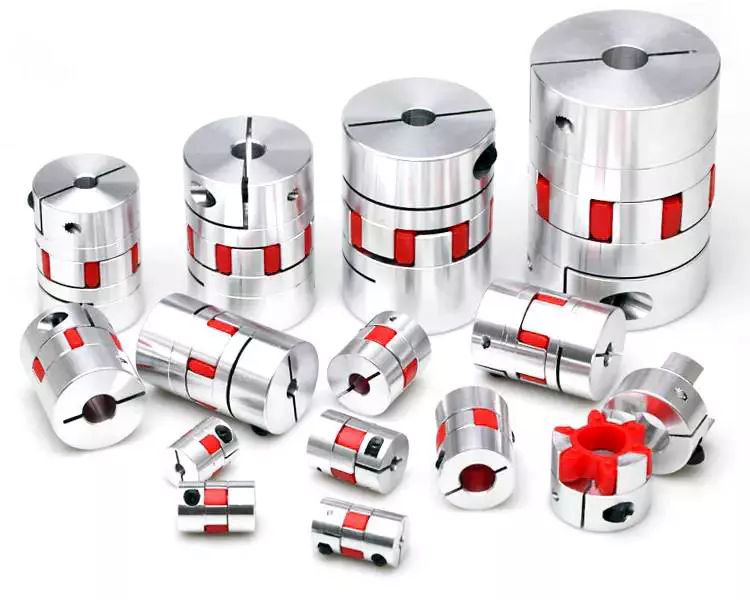
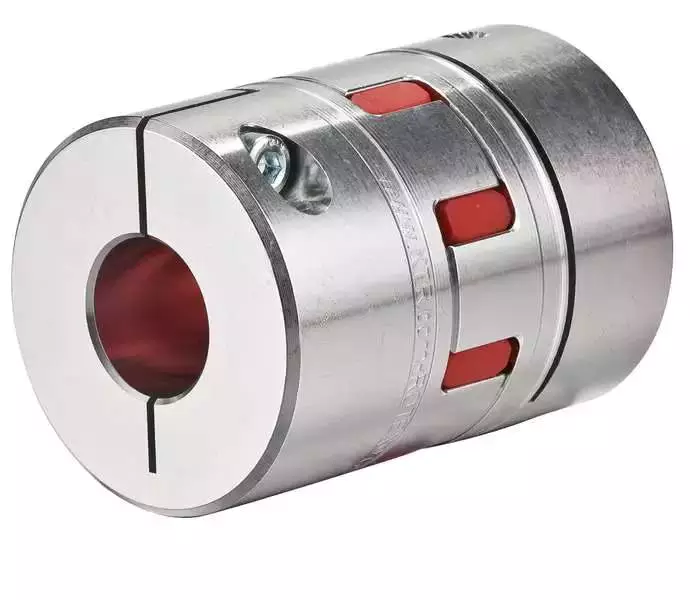
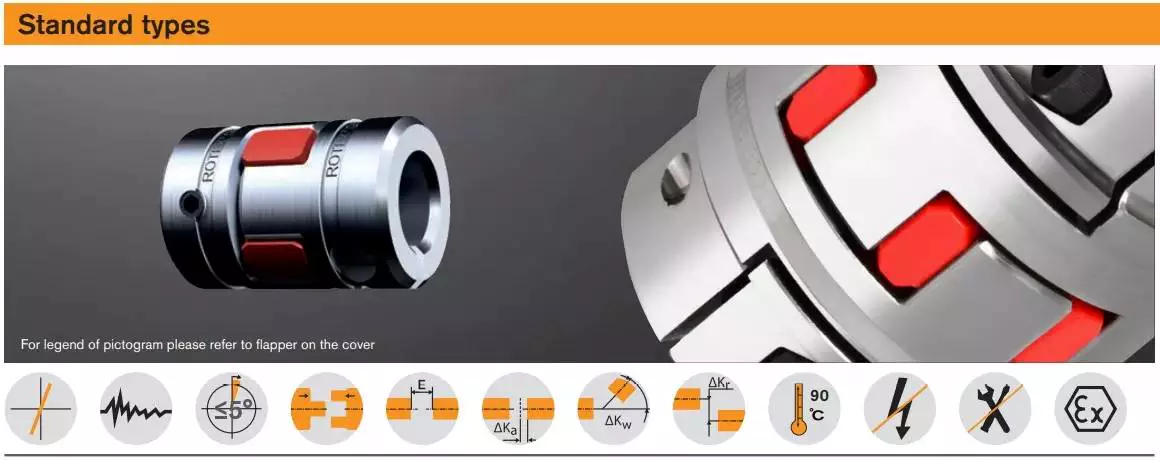
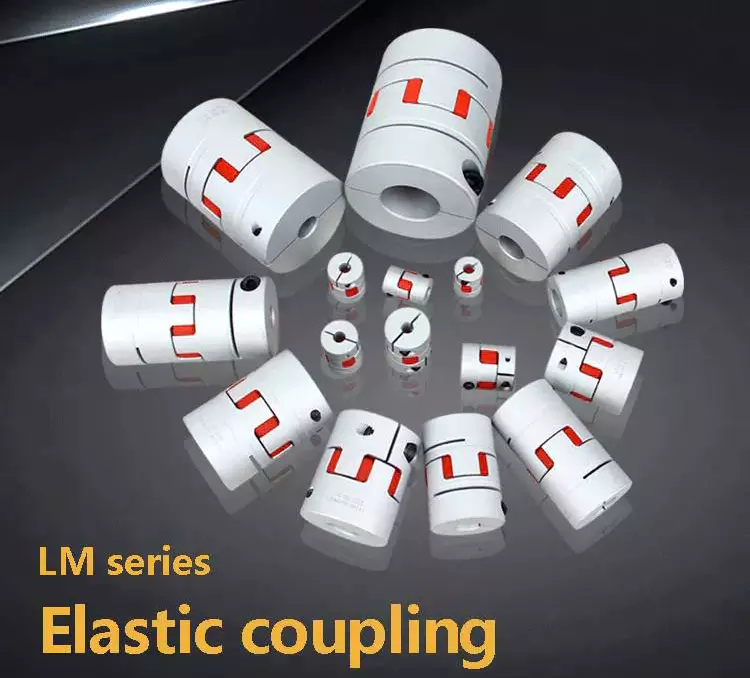
Tag Archives: stainless steel coupling

China High Pressure CF3m Pipe Clamp Stainless Steel Grooved Coupling coupling and repulsion

Solution Description


Merchandise Description

GROOVED Versatile COUPLINGS Merchandise SERISE

STAINLESS Metal GROOVED Versatile COUPLINGS SPECIFICATION

Substance Specs

Housing : Stainless steel 304(CF8) or 316L(CF3M)

Rubber Gasket : Standard gasket is EPDM(Ethylene-Propylene-Diene Monomer), the assortment of working temperature is -50ºC-150ºC,utilizing for cold drinking water,hot water and exceptional alkaline chemical merchandise.

Bolt&Nuts : Stainless steel bolts&nuts according to intercontinental standard versions of carriage bolts and flange nuts.Nut is SS304 substance.

In accordance to ASTM A743 standard for housing substance
–Variety 304 to ASTM A743 CF8(304)
–Type 316L to ASTM A743 CF3M(316L)

Measurement Specs

Measurement variety : 1″to 8″(DN25 to DN200),cutting groove only.

Rated functioning force
–Reduced stress versatile coupling 300psi
–Medium force flexible coupling 600psi
–Substantial force versatile coupling a thousand/1200psi
–Super Higher stress versatile coupling 1500psi.
 

Merchandise Parameters


Our Benefits

Housing:
Stainless steel is used as uncooked substance with very good corrosion resistance. And there is the natures which is large power, great toughness and great mechanical houses. According to the precision casting approach, the precision of the clamping size is confirmed.The substance has tensile energy which is not significantly less than 600 MPA and the extension is not significantly less than fifteen%. withstands higher force and higher influence of pipeline by numerous downside variables.

Gasket :
The gasket seal with particular C-formed design and style, that is ideal matching with pipeline dimension in get to obtain operating force.The gasket is tightener although more pressed in order to obtain sealing effectiveness.when the In the meantime, the imported uncooked substance will also be confirmed the mechanical properties.

Top quality Manage


US $33
/ Piece
|
1 Piece

(Min. Order)

###

After-sales Service: One Year
Warranty: One Year
Connection: Grooved
Structure: Universal
Flexible or Rigid: Flexible
Material: Stainless Steel

###

Samples:
US$ 33/Piece
1 Piece(Min.Order)

|
Request Sample

###

Customization:
US $33
/ Piece
|
1 Piece

(Min. Order)

###

After-sales Service: One Year
Warranty: One Year
Connection: Grooved
Structure: Universal
Flexible or Rigid: Flexible
Material: Stainless Steel

###

Samples:
US$ 33/Piece
1 Piece(Min.Order)

|
Request Sample

###

Customization:

Types of Couplings

A coupling is a device used to join two shafts together and transmit power. Its purpose is to join rotating equipment while permitting a degree of end movement and misalignment. There are many types of couplings, and it is important to choose the right one for your application. Here are a few examples of couplings.

Mechanical

The mechanical coupling is an important component in power transmission systems. These couplings come in various forms and can be used in different types of applications. They can be flexible or rigid and operate in compression or shear. In some cases, they are permanently attached to the shaft, while in other cases, they are removable for service.
The simplest type of mechanical coupling is the sleeve coupling. It consists of a cylindrical sleeve with an internal diameter equal to the diameter of the shafts. The sleeve is connected to the shafts by a key that restricts their relative motion and prevents slippage. A few sleeve couplings also have threaded holes to prevent axial movement. This type of coupling is typically used for medium to light-duty torque.
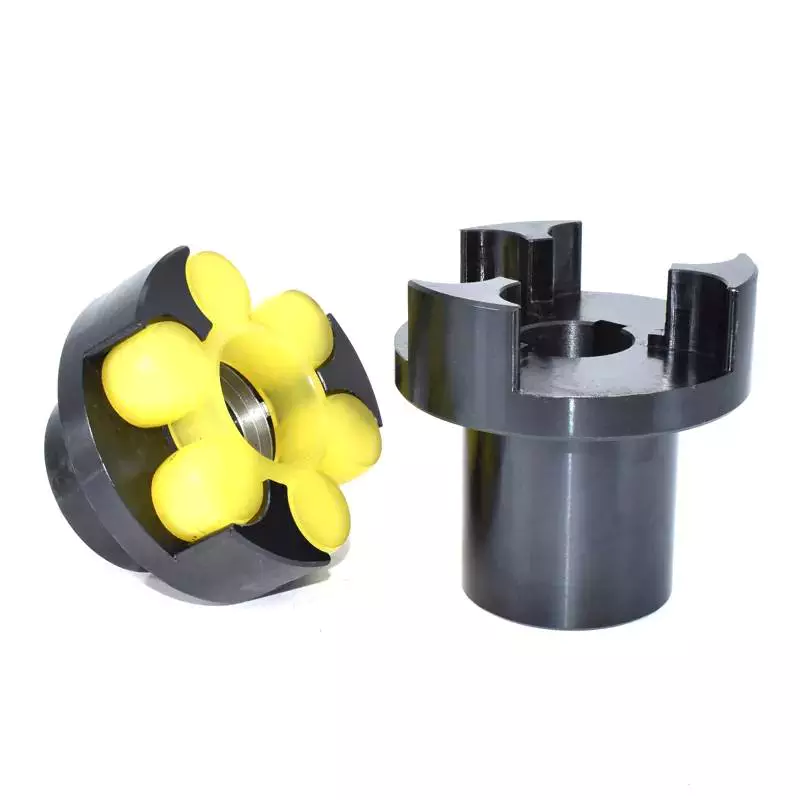
Another type of mechanical coupling is a jaw coupling. It is used in motion control and general low-power transmission applications. This type of coupling does not require lubrication and is capable of accommodating angular misalignment. Unlike other types of couplings, the jaw coupling uses two hubs with intermeshing jaws. The jaw coupling’s spider is typically made of copper alloys. In addition, it is suitable for shock and vibration loads.
Mechanical couplings can be made from a variety of materials. One popular choice is rubber. The material can be natural or chloroprene. These materials are flexible and can tolerate slight misalignment.
gearbox

Electrical

Electrical coupling is the process in which a single electrical signal is transferred from a nerve cell to another. It occurs when electrical signals from two nerve cells interact with each other in a way similar to haptic transmission. This type of coupling can occur on its own or in combination with electrotonic coupling in gap junctions.
Electrical coupling is often associated with oscillatory behavior of neurons. The mechanism of electrical coupling is complex and is studied mathematically to understand its effect on oscillatory neuron networks. For example, electrical coupling can increase or decrease the frequency of an oscillator, depending on the state of the neuron coupled to it.
The site of coupling is usually the junction of opposing cell membranes. The cellular resistance and the coupling resistance are measured in voltage-clamp experiments. This type of coupling has a specific resistance of 100 O-cm. As a result, the coupling resistance varies with the frequency.
The authors of this study noted that electrotonic coupling depends on the ratio between the resistance of the nonjunctional membranes and the junctional membranes. The voltage attenuation technique helps reveal the differences in resistance and shunting through the intercellular medium. However, it is unclear whether electrotonic coupling is electrostatically mediated.
Electrical coupling has also been suggested to play a role in the intercellular transfer of information. There are many examples that support this theory. A message can be a distinct qualitative or quantitative signal, which results in a gradient in the cells. Although gap junctions are absent at many embryonic interaction sites, increasing evidence suggests a role in information transfer.

Flexible

When it comes to choosing the right Flexible Coupling, there are several factors that you should take into account. Among these factors is the backlash that can be caused by the movement of the coupling. The reason for this problem is the fact that couplings that do not have anti-fungal properties can be easily infected by mold. The best way to avoid this is to pay attention to the moisture content of the area where you are installing the coupling. By following these guidelines, you can ensure the best possible installation.
To ensure that you are getting the most out of your flexible couplings, you must consider their characteristics and how easy they are to install, assemble, and maintain. You should also look for elements that are field-replaceable. Another important factor is the coupling’s torsional rigidity. It should also be able to handle reactionary loads caused by misalignment.
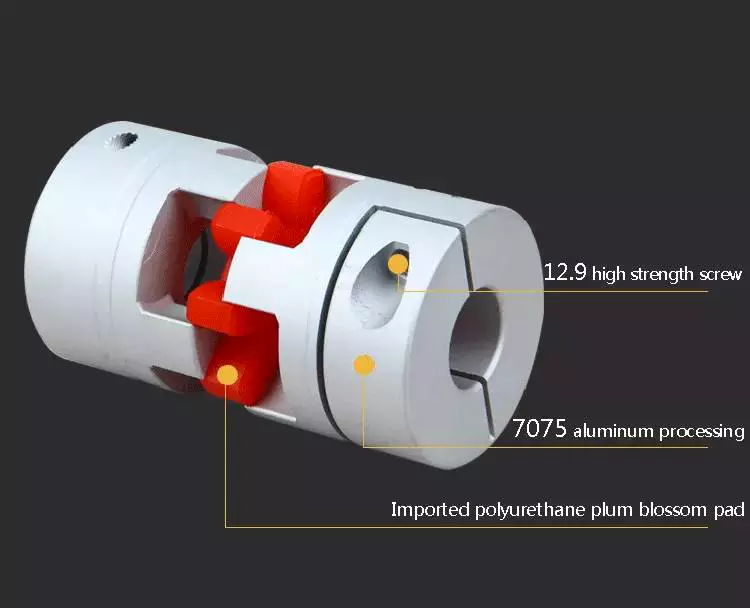
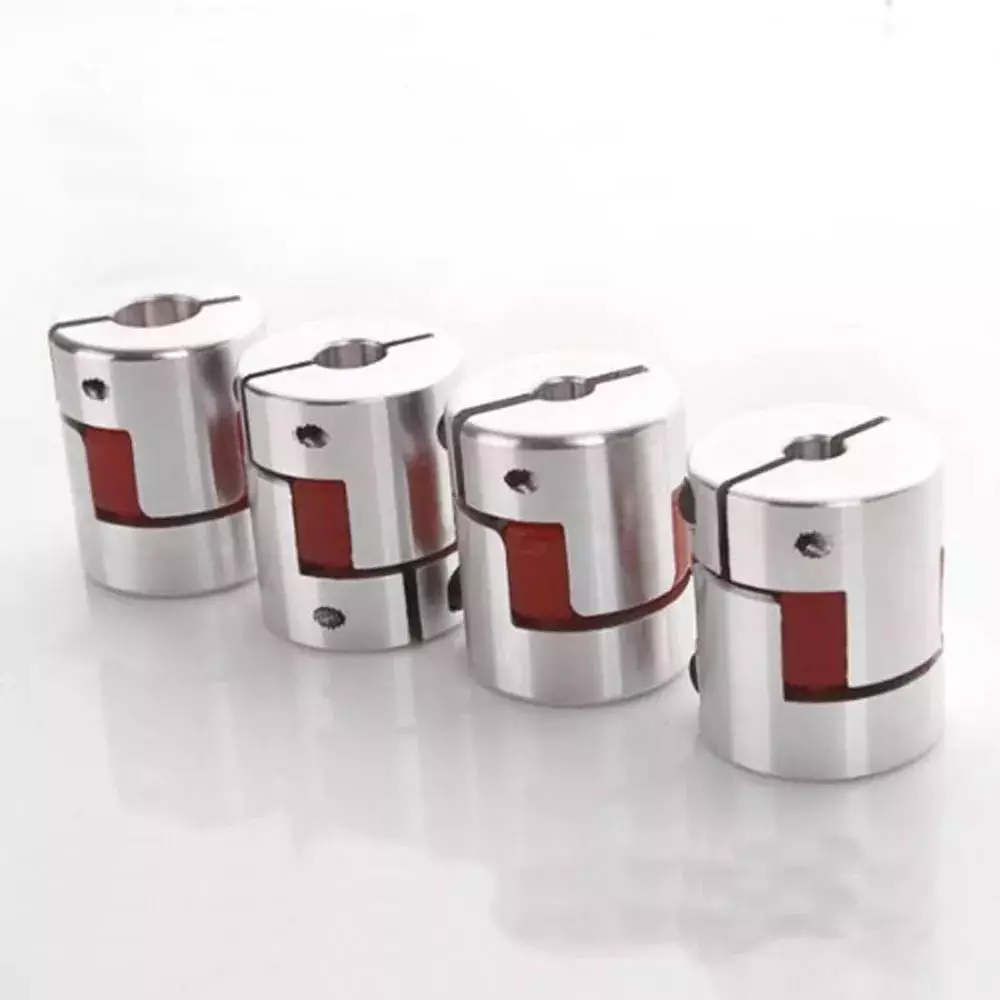
Flexible couplings come in many different types. There are diaphragm and spiral couplings. These couplings allow for axial motion, angular misalignment, and parallel offset. They have one-piece construction and are made from stainless steel or aluminum. These couplings also offer high torsional stiffness, which is beneficial for applications requiring high torques.
Flexible couplings have several advantages over their rigid counterparts. They are designed to handle misalignments of up to seven degrees and 0.025 inches. These characteristics are important in motion control applications. Flexible couplings are also inexpensive, and they do not require maintenance.
gearbox

Beam

A beam coupling is a type of mechanical coupling, usually one solid piece, that connects two mechanical parts. Its performance is largely determined by the material used. Typical materials include stainless steel, aluminum, Delrin, and titanium. The beam coupling is rated for different speeds and torques. The coupling should be selected according to the application. In addition to the material, the application should also consider the speed and torque of the system.
There are two main types of beam couplings. The first is the helical beam coupling, which has a continuous multi spiral cut. This type of coupling offers a high degree of flexibility and compensates for a high degree of misalignment. The second type of beam coupling is the helical shaft coupling, which has a low torsional stiffness, which makes it ideal for small torque applications.
Another type of beam coupling is the multiple beam design, which combines two beams. It allows for more tolerance in manufacturing and installation and protects expensive components from excessive bearing loads. It also helps keep beams shorter than a single beam coupling. This type of coupling also enables a higher torque capacity and torsional stiffness.
Beam couplings can be manufactured with different materials, including stainless steel and aluminum. The “A” series is available in aluminum and stainless steel and is ideal for general-purpose and light-duty applications. It is also economical and durable. This type of coupling can also be used with low torque pumps or encoder/resolver systems.

Pin & bush

The Pin & bush coupling is a versatile, general-purpose coupling with high tensile bolts and rubber bushes. It can tolerate a wide range of operating temperatures and is suitable for use in oil and water-resistance applications. Its unique design enables it to be used in either direction. In addition, it requires no lubrication.
The pin bush coupling is a fail-safe coupling with a long service life and is used for high-torque applications. It provides torsional flexibility and dampens shocks, making it a flexible coupling that protects equipment and reduces maintenance costs. Its hubs are forged from graded cast iron for strength and durability. Besides, the coupling’s elastomer elements reduce vibration and impact loads. It also accommodates a misalignment of up to 0.5 degrees.
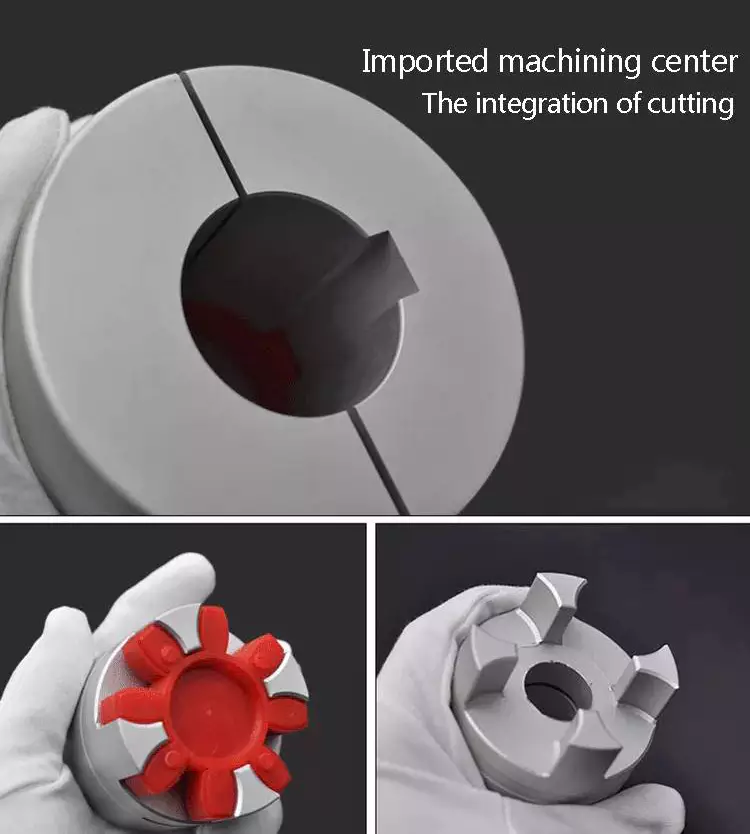
Pin & bush couplings are a popular choice for a variety of different applications. This coupling features a protective flange design that protects the coupling flange from wear and tear. The coupling nut is secured to one flange, while a rubber or leather bush sits between the other flange. Its unique design makes it ideal for use in applications where misalignment is a small factor. The rubber bushing also helps absorb vibration and shock.
gearbox

Mesh tooth

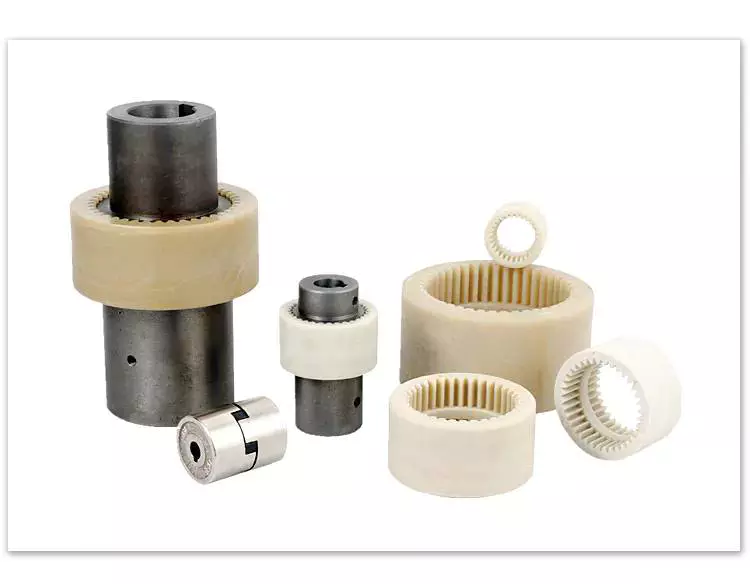
Mesh tooth couplings are used to transfer torque between two shafts and reduce backlash. However, mesh tooth couplings have some limitations. One disadvantage is the break-away friction factor in the axial direction. This problem is caused by the high contact force between the tooth and gear mesh. This can cause unpredictable forces on the shafts.
In this paper, we present a FEM model for mesh tooth coupling. We first validate the mesh density. To do so, we compute the bolt stress as a uniaxial tensile during the tightening process. We used different mesh sizes and mesh density to validate our results.
The mesh stiffness of gear pairs is influenced by lead crown relief and misalignment. For example, if one tooth is positioned too far in the axis, the mesh stiffness will be decreased. A misaligned gear pair will lose torque capacity. A mesh tooth coupling can be lubricated with oil.
An ideal mesh tooth coupling has no gaps between the teeth, which reduces the risk of uneven wear. The coupling’s quality exposed fasteners include SAE Grade 5 bolts. It also offers corrosion resistance. The couplings are compatible with industrial environments. They also eliminate the need for selective assembly in sleeve couplings.


China High Pressure CF3m Pipe Clamp Stainless Steel Grooved Coupling     coupling and repulsionChina High Pressure CF3m Pipe Clamp Stainless Steel Grooved Coupling     coupling and repulsion
editor by czh 2022-12-30

China Stainless Steel F -Camlock Coupling cohesion and coupling

Item Description

Merchandise description
1, Solution name Stainless Steel F -Camlock Coupling
2, Materials SS304, SS316, CF8M, CF8
three, Casting Expense
4, Relevant temperature -40-a hundred and eighty degree C
five, Relevant medium Drinking water, Oil, Fuel, and many others
six, MOQ 10PCS
seven, Capability to create 20, 000, 00 PCS per month
8, Packaging Internal CTN, outside ply-wood cases
nine, Price tag time period EXW, FOB, CIF, CFR
ten, Payment phrase T/T, L/C
eleven, Normal CE, ISO9001

Merchandise Application
Main application: The merchandise are widely employed in oil, gas, chemical, electrical energy metallurgy, lifting, h2o provide, auto ship producing oil-h2o highway heating technique manage, foods, pharmaceutical, everyday chemical business, municipal development, mechanical products, and so forth. We maintain on the notion of credit history administration, and try our best to give best service to our buyers! 

FAQ:

Q:Why choose us ?
A: we are a manufacturer,We have much more than 14 years of valve production experience, have the best soon after-revenue support

Q:What is your payment term? 
 A: T/T 30% down payment, balance to be paid before shipment. or L/C.

Q: what is your main market?
A: North America, South America,  Southeast Asia, Africa, Oceania, Mid East, Eastern Europe,Eastern Asia, Western Europe and so on
 
Q: Can I get samples from your factory?
A: Yes, Samples can be provided.
 
Q: If products have some quality problem, how would you deal with?
A: We will responsible for all the quality problems.
 
Q:How about your capacity?
A:We have one hundred CNC lathes, all items CNC precision machining, to guarantee the precision of item dimensions. There are skilled good quality inspection personnel, accountable for the experienced inspection of each and every merchandise, so make sure you rest confident that the merchandise to our company to full.


US $10
/ Piece
|
10 Pieces

(Min. Order)

###

Material: Stainless Steel
Place of Origin: China
Transport Package: Standard Export Package
Specification: 1/2"-8"
Trademark: SJFM
Origin: Wenzhou, Zhejiang Province

###

Samples:
US$ 0/Piece
1 Piece(Min.Order)

|
Request Sample

###

Customization:

###

Product description
1, Product name Stainless Steel F -Camlock Coupling
2, Materials SS304, SS316, CF8M, CF8
3, Casting Investment
4, Applicable temperature -40-180 degree C
5, Applicable medium Water, Oil, Gas, etc
6, MOQ 10PCS
7, Capacity to produce 20, 000, 00 PCS per month
8, Packaging Inner CTN, outside ply-wooden cases
9, Price term EXW, FOB, CIF, CFR
10, Payment term T/T, L/C
11, Standard CE, ISO9001
US $10
/ Piece
|
10 Pieces

(Min. Order)

###

Material: Stainless Steel
Place of Origin: China
Transport Package: Standard Export Package
Specification: 1/2"-8"
Trademark: SJFM
Origin: Wenzhou, Zhejiang Province

###

Samples:
US$ 0/Piece
1 Piece(Min.Order)

|
Request Sample

###

Customization:

###

Product description
1, Product name Stainless Steel F -Camlock Coupling
2, Materials SS304, SS316, CF8M, CF8
3, Casting Investment
4, Applicable temperature -40-180 degree C
5, Applicable medium Water, Oil, Gas, etc
6, MOQ 10PCS
7, Capacity to produce 20, 000, 00 PCS per month
8, Packaging Inner CTN, outside ply-wooden cases
9, Price term EXW, FOB, CIF, CFR
10, Payment term T/T, L/C
11, Standard CE, ISO9001

Functions and Modifications of Couplings

A coupling is a mechanical device that connects two shafts and transmits power. Its main purpose is to join two rotating pieces of equipment together, and it can also be used to allow some end movement or misalignment. There are many different types of couplings, each serving a specific purpose.

Functions

Functions of coupling are useful tools to study the dynamical interaction of systems. These functions have a wide range of applications, ranging from electrochemical processes to climate processes. The research being conducted on these functions is highly interdisciplinary, and experts from different fields are contributing to this issue. As such, this issue will be of interest to scientists and engineers in many fields, including electrical engineering, physics, and mathematics.
To ensure the proper coupling of data, coupling software must perform many essential functions. These include time interpolation and timing, and data exchange between the appropriate nodes. It should also guarantee that the time step of each model is divisible by the data exchange interval. This will ensure that the data exchange occurs at the proper times.
In addition to transferring power, couplings are also used in machinery. In general, couplings are used to join two rotating pieces. However, they can also have other functions, including compensating for misalignment, dampening axial motion, and absorbing shock. These functions determine the coupling type required.
The coupling strength can also be varied. For example, the strength of the coupling can change from negative to positive. This can affect the mode splitting width. Additionally, coupling strength is affected by fabrication imperfections. The strength of coupling can be controlled with laser non-thermal oxidation and water micro-infiltration, but these methods have limitations and are not reversible. Thus, the precise control of coupling strength remains a major challenge.
gearbox

Applications

Couplings transmit power from a driver to the driven piece of equipment. The driver can be an electric motor, steam turbine, gearbox, fan, or pump. A coupling is often the weak link in a pump assembly, but replacing it is less expensive than replacing a sheared shaft.
Coupling functions have wide applications, including biomedical and electrical engineering. In this book, we review some of the most important developments and applications of coupling functions in these fields. We also discuss the future of the field and the implications of these discoveries. This is a comprehensive review of recent advances in coupling functions, and will help guide future research.
Adaptable couplings are another type of coupling. They are made up of a male and female spline in a polymeric material. They can be mounted using traditional keys, keyways, or taper bushings. For applications that require reversal, however, keyless couplings are preferable. Consider your process speed, maximum load capacity, and torque when choosing an adaptable coupling.
Coupling reactions are also used to make pharmaceutical products. These chemical reactions usually involve the joining of two chemical species. In most cases, a metal catalyst is used. The Ullmann reaction, for instance, is an important example of a hetero-coupling reaction. This reaction involves an organic halide with an organometallic compound. The result is a compound with the general formula R-M-R. Another important coupling reaction involves the Suzuki coupling, which unites two chemical species.
In engineering, couplings are mechanical devices that connect two shafts. Couplings are important because they enable the power to be transmitted from one end to the other without allowing a shaft to separate during operation. They also reduce maintenance time. Proper selection, installation, and maintenance, will reduce the amount of time needed to repair a coupling.
gearbox

Maintenance

Maintenance of couplings is an important part of the lifecycle of your equipment. It’s important to ensure proper alignment and lubrication to keep them running smoothly. Inspecting your equipment for signs of wear can help you identify problems before they cause downtime. For instance, improper alignment can lead to uneven wear of the coupling’s hubs and grids. It can also cause the coupling to bind when you rotate the shaft manually. Proper maintenance will extend the life of your coupling.
Couplings should be inspected frequently and thoroughly. Inspections should go beyond alignment checks to identify problems and recommend appropriate repairs or replacements. Proper lubrication is important to protect the coupling from damage and can be easily identified using thermography or vibration analysis. In addition to lubrication, a coupling that lacks lubrication may require gaskets or sealing rings.
Proper maintenance of couplings will extend the life of the coupling by minimizing the likelihood of breakdowns. Proper maintenance will help you save money and time on repairs. A well-maintained coupling can be a valuable asset for your equipment and can increase productivity. By following the recommendations provided by your manufacturer, you can make sure your equipment is operating at peak performance.
Proper alignment and maintenance are critical for flexible couplings. Proper coupling alignment will maximize the life of your equipment. If you have a poorly aligned coupling, it may cause other components to fail. In some cases, this could result in costly downtime and increased costs for the company.
Proper maintenance of couplings should be done regularly to minimize costs and prevent downtime. Performing periodic inspections and lubrication will help you keep your equipment in top working order. In addition to the alignment and lubrication, you should also inspect the inside components for wear and alignment issues. If your coupling’s lubrication is not sufficient, it may lead to hardening and cracking. In addition, it’s possible to develop leaks that could cause damage.
gearbox

Modifications

The aim of this paper is to investigate the effects of coupling modifications. It shows that such modifications can adversely affect the performance of the coupling mechanism. Moreover, the modifications can be predicted using chemical physics methods. The results presented here are not exhaustive and further research is needed to understand the effects of such coupling modifications.
The modifications to coupling involve nonlinear structural modifications. Four examples of such modifications are presented. Each is illustrated with example applications. Then, the results are verified through experimental and simulated case studies. The proposed methods are applicable to large and complex structures. They are applicable to a variety of engineering systems, including nonlinear systems.
China Stainless Steel F -Camlock Coupling     cohesion and couplingChina Stainless Steel F -Camlock Coupling     cohesion and coupling
editor by czh 2022-12-22

China Stainless Steel Tube Fittings Coupling for Groove Pipe coupling alignment tool

Product Description

Elbow

Components: Stainless Metal 304,316,2205
Operate: Pipe, Handrail balustrade connection
Types: ninety diploma, acute, a hundred thirty five degree, adjustable, welded, spring Elbow
Diameter: 33.7/38.1/forty two.4/48.3/50.8mm
Thickness: .8mm to 2.5mm,or customise
Strategy: Sheet Metallic Forming Technology
Area or end: Satin mirror electroplating shade(gold ,rose gold)
Photometric evaluation: G320 satin and G800 mirror finished
Material Analysis: 304 – Nickel > 8%,Carbon < 0.08% 
316 – Nickel >10%, Carbon <0.03% .
OEM/ODM Available
Deal Plastic film, wooden cases ,wooden pallet, or as customers’ request

Organization Information:
 

Company scope Sanitary ware, Handrail Fittings, Investment decision Casting
Factory spot HangZhou ZheJiang China
Recognized time Born in 2008
Region/Workers 5,0000 Square meter /  300 Individuals
Capability 300Ts/Month
Yearly product sales $ thirty million USD

Why choose ZheJiang  ABLinox Sanitaryware CO.,LTD

1, OEM services are available, welcome to visit our factory or show room before you place an order.
two, high quality control with ISO9001
three, up to 8 years stainless steel manufacture whose products export to all over the world
four, detailed productions and installation drawings are provided
5, easy to install, only use screws to install, no need welding.
6, new product output with best price and quality.

FAQ:
1. How to get a quotation?
Remember to send us drawings in igs, dwg, action and so on. collectively with comprehensive PDF.
If you have any demands, remember to be aware, and we could provide professional advice for your reference.
   
two. What if we do not have casting drawing?
Samples would be available, and we would send you drawing to confirm.
Of program, we would make sure the basic safety of the drawing.
   
three. How to spend?
T/T is chosen.
   
four. How to ship?
For little amount, we have cooperation with DHL,TNT, FEDEX, UPS and so on
For large amount, air or sea would be available for you to decide on.

5. What about the packing particulars?
We have our normal packing.
If you have any special needs, we would be inclined to assist.
   
six. What about the shipping and delivery time?
It would be twenty-thirty days normally for the components to be prepared and we had a program to guarantee the time.
When you made your buy, you would know.                                  
  

Customized: Customized
Function: Decoration
Style: Classic
Stair Railing / Handrail: Stainless Steel
Baluster: Stainless Steel
Stair Tread: Stainless Steel

###

Customization:

###

Materials: Stainless Steel 304,316,2205
Function: Pipe, Handrail balustrade connection
Kinds: 90 degree, acute, 135 degree, adjustable, welded, spring Elbow
Diameter: 33.7/38.1/42.4/48.3/50.8mm
Thickness: 0.8mm to 2.5mm,or customize
Technique: Sheet Metal Forming Technology
Surface or finish: Satin; mirror; electroplating color(gold ,rose gold)
Photometric analysis: G320 satin and G800 mirror finished
Material Analysis: 304 – Nickel > 8%,Carbon < 0.08% ;
316 – Nickel >10%, Carbon <0.03% .
OEM/ODM Available
Package Plastic film, wooden cases ,wooden pallet, or as customers’ request

###

Company scope Sanitary ware, Handrail Fittings, Investment Casting
Factory location Zhaoqing Guangdong China
Established time Born in 2008
Area/Employees 5,0000 Square meter /  300 People
Capacity 300Ts/Month
Annual sales $ 30 million USD
Customized: Customized
Function: Decoration
Style: Classic
Stair Railing / Handrail: Stainless Steel
Baluster: Stainless Steel
Stair Tread: Stainless Steel

###

Customization:

###

Materials: Stainless Steel 304,316,2205
Function: Pipe, Handrail balustrade connection
Kinds: 90 degree, acute, 135 degree, adjustable, welded, spring Elbow
Diameter: 33.7/38.1/42.4/48.3/50.8mm
Thickness: 0.8mm to 2.5mm,or customize
Technique: Sheet Metal Forming Technology
Surface or finish: Satin; mirror; electroplating color(gold ,rose gold)
Photometric analysis: G320 satin and G800 mirror finished
Material Analysis: 304 – Nickel > 8%,Carbon < 0.08% ;
316 – Nickel >10%, Carbon <0.03% .
OEM/ODM Available
Package Plastic film, wooden cases ,wooden pallet, or as customers’ request

###

Company scope Sanitary ware, Handrail Fittings, Investment Casting
Factory location Zhaoqing Guangdong China
Established time Born in 2008
Area/Employees 5,0000 Square meter /  300 People
Capacity 300Ts/Month
Annual sales $ 30 million USD

What Is a Coupling?

A coupling is a device used to connect two shafts. It transmits power between them and allows for some misalignment or end movement. There are several types of couplings. The most common ones are gear couplings and planetary couplings. However, there are many others as well.

Transfer of energy

Energy coupling is a process by which two biological reactions are linked by sharing energy. The energy released during one reaction can be used to drive the second. It is a very useful mechanism that synchronizes two biological systems. All cells have two types of reactions, exergonic and endergonic, and they are connected through energy coupling.
This process is important for a number of reasons. The first is that it allows the exchange of electrons and their energy. In a single molecule, this energy transfer involves the exchange of two electrons of different energy and spin. This exchange occurs because of the overlap interaction of two MOs.
Secondly, it is possible to achieve quadratic coupling. This is a phenomenon that occurs in circular membrane resonators when the system is statically deflected. This phenomenon has been gaining a great deal of interest as a mechanism for stronger coupling. If this mechanism is employed in a physical system, energy can be transferred on a nanometer scale.
The magnetic field is another important factor that affects the exchange of energy between semiconductor QWs. A strong magnetic field controls the strength of the coupling and the energy order of the exciton. The magnetic field can also influence the direction of polariton-mediated energy transfer. This mechanism is very promising for controlling the routing of excitation in a semiconductor.
gearbox

Functions

Couplings play a variety of functions, including transferring power, compensating for misalignment, and absorbing shock. These functions depend on the type of shaft being coupled. There are four basic types: angular, parallel, and symmetrical. In many cases, coupling is necessary to accommodate misalignment.
Couplings are mechanical devices that join two rotating pieces of equipment. They are used to transfer power and allow for a small degree of end-to-end misalignment. This allows them to be used in many different applications, such as the transmission from the gearbox to the differential in an automobile. In addition, couplings can be used to transfer power to spindles.

Types

There are two main types of couplings: rigid and flexible. Rigid couplings are designed to prevent relative motion between the two shafts and are suitable for applications where precise alignment is required. However, high stresses in the case of significant misalignment can cause early failure of the coupling. Flexible couplings, on the other hand, allow for misalignment and allow for torque transmission.
A software application may exhibit different types of coupling. The first type involves the use of data. This means that one module may use data from another module for its operation. A good example of data coupling is the inheritance of an object. In a software application, one module can use another module’s data and parameters.
Another type of coupling is a rigid sleeve coupling. This type of coupling has a pipe with a bore that is finished to a specified tolerance. The pipe contains two threaded holes for transmitting torque. The sleeve is secured by a gib head key. This type of coupling may be used in applications where a couple of shafts are close together.
Other types of coupling include common and external. Common coupling occurs when two modules share global data and communication protocols. This type of coupling can lead to uncontrollable error propagation and unforeseen side effects when changes are made to the system. External coupling, on the other hand, involves two modules sharing an external device interface or communication protocol. Both types of coupling involve a shared code structure and depend on the external modules or hardware.
Mechanical couplings are essential in power transmission. They connect rotating shafts and can either be rigid or flexible, depending on the accuracy required. These couplings are used in pumps, compressors, motors, and generators to transmit power and torque. In addition to transferring power, couplings can also prevent torque overload.
gearbox

Applications

Different coupling styles are ideal for different applications, and they have different characteristics that influence the coupling’s reliability during operation. These characteristics include stiffness, misalignment capability, ease of installation and maintenance, inherent balance, and speed capability. Selecting the right coupling style for a particular application is essential to minimize performance problems and maximize utility.
It is important to know the requirements for the coupling you choose before you start shopping. A proper selection process takes into account several design criteria, including torque and rpm, acoustic signals, and environmental factors. Once you’ve identified these parameters, you can select the best coupling for the job.
A gear coupling provides a mechanical connection between two rotating shafts. These couplings use gear mesh to transmit torque and power between two shafts. They’re typically used on large industrial machines, but they can also be used in smaller motion control systems. In smaller systems, a zero-backlash coupling design is ideal.
Another type of coupling is the flange coupling. These are easy to manufacture. Their design is similar to a sleeve coupling. But unlike a sleeve coupling, a flange coupling features a keyway on one side and two threaded holes on the other. These couplings are used in medium-duty industrial applications.
Besides being useful for power transmission, couplings can also prevent machine vibration. If vibration occurs in a machine, it can cause it to deviate from its predetermined position, or damage the motor. Couplings, however, help prevent this by absorbing the vibration and shock and preventing damage to expensive parts.
Couplings are heavily used in the industrial machinery and electrical industries. They provide the necessary rotation mechanism required by machinery and other equipment. Coupling suppliers can help customers find the right coupling for a specific application.
gearbox

Criteria for selecting a coupling

When selecting a coupling for a specific application, there are a number of different factors to consider. These factors vary greatly, as do operating conditions, so selecting the best coupling for your system can be challenging. Some of these factors include horsepower, torque, and speed. You also need to consider the size of the shafts and the geometry of the equipment. Space restrictions and maintenance and installation requirements should also be taken into account. Other considerations can be specific to your system, such as the need for reversing.
First, determine what size coupling you need. The coupling’s size should be able to handle the torque required by the application. In addition, determine the interface connection, such as straight or tapered keyed shafts. Some couplings also feature integral flange connections.
During the specification process, be sure to specify which materials the coupling will be made of. This is important because the material will dictate most of its performance characteristics. Most couplings are made of stainless steel or aluminum, but you can also find ones made of Delrin, titanium, or other engineering-grade materials.
One of the most important factors to consider when selecting a coupling is its torque capability. If the torque rating is not adequate, the coupling can be damaged or break easily. Torque is a major factor in coupling selection, but it is often underestimated. In order to ensure maximum coupling performance, you should also take into consideration the size of the shafts and hubs.
In some cases, a coupling will need lubrication throughout its lifecycle. It may need to be lubricated every six months or even once a year. But there are couplings available that require no lubrication at all. An RBI flexible coupling by CZPT is one such example. Using a coupling of this kind can immediately cut down your total cost of ownership.
China Stainless Steel Tube Fittings Coupling for Groove Pipe     coupling alignment toolChina Stainless Steel Tube Fittings Coupling for Groove Pipe     coupling alignment tool
editor by czh 2022-12-14