Product Description
Densen customized SWC-WD type universal coupling,universal joint couplings,universal joint shaft couplings
| Product Name | Densen customized SWC-WD type universal coupling,universal joint couplings,universal joint shaft couplings |
| DN mm | 90~560mm |
| Rated Torque | 320~170000 N·m |
| Max Allowalbe Speed | 1571~1690RPM |
| Material | 45# Steel |
| Application | Widely used in the electric generating plant,petrochemical plant,mine machinery,cement machinery etc industrial equipment, |
| Standard Or Nonstandard: | Standard |
|---|---|
| Structure: | Universal |
| Material: | Steel |
| Type: | Customized |
| Color: | Customized |
| Transport Package: | Standard Export Wooden Box |
| Samples: |
US$ 20/Piece
1 Piece(Min.Order) | |
|---|
| Customization: |
Available
| Customized Request |
|---|
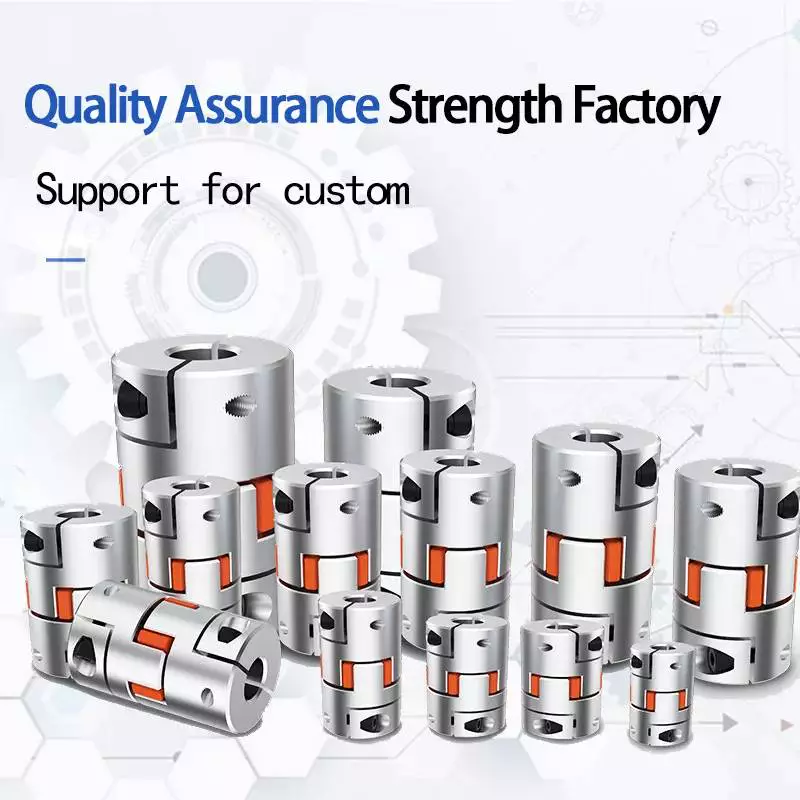
Understanding the Different Types of Couplings
A coupling is a device that joins two rotating shafts together. It transmits power from one to the other and is designed to allow some amount of end-movement and misalignment. It is a simple mechanism that is extremely common in many industries. Learn more about couplings in this article.
Flexible coupling
When choosing the correct flexible coupling for your application, there are several factors to consider. One of the most important factors is backlash, which is the amount of rotational play introduced by moving parts. Other factors to consider include lubrication and accessibility for maintenance. Choosing the right flexible coupling can be challenging, but it is possible to find the right fit for your specific application.
A flexible coupling is an excellent choice for applications that require high alignment accuracy, which is essential for reliable system performance. These couplings can compensate for angular and parallel misalignment, ensuring proper positioning between the driving and driven shafts. In addition, flexible couplings are more affordable than most traditional couplings.
The most common flexible coupling is the elastomeric type, which uses a resilient material to transmit torque. These couplings can be made of plastic or rubber. In either case, they can be relatively lightweight compared to other types of couplings. Elastomeric couplings can also be used for high-speed applications.
Another important factor to consider when selecting the best Flexible Coupling is the pipe you’re connecting. Some couplings are easier to install than others, and some even have tapered edges to make them slide easily on the pipe. Regardless of the choice you make, it’s crucial to remember that proper installation is critical for reliability and safety.
CZPT coupling
An CZPT coupling is a flexible, mechanical coupling that features a high degree of angular misalignment and eccentricity. They are available in different lengths, with MOL being the longest. They are ideal for applications that involve high parallel misalignment, limited assembly access, electrical insulation, and other conditions.
CZPT couplings are a versatile type of coupling, and they are often used to connect parallel shafts. They work by transmitting torque from one to the other using the same speed and rotation mechanism. They are available in various materials, including aluminum, brass, and polymers. In addition, they can work under high temperatures.
One of the main benefits of using an CZPT coupling is the fact that it does not require the use of a gearbox. These couplings are flexible, and their design allows them to cope with misalignment problems that may occur in power transmission applications. They are also able to absorb shock.
Another advantage of CZPT couplings is that they are suitable for systems with low-to-medium amounts of shaft misalignment. Because their friction is limited to the surface of the hubs, they are able to accommodate low bearing loads. CZPT couplings can also be used in systems with limited shaft access, since the disks are easily removed.
Clamped coupling
Clamped couplings are designed to provide a high-strength connection between two objects. A standard coupling has two parts: a nipple and a clamp sleeve. Each part is designed in such a way as to cooperate with each other. The sleeve and clamp are made of rubber. A reinforcing braid is often used to protect the exposed steel braid from rusting.
PIC Design provides a wide variety of standard clamping couplings for many different industries. These include medical, dental, military, laboratory, and precision industrial control equipment. They have a simple design that makes them ideal for these applications. Clamped couplings are also available for custom manufacturing. These couplings are available in metric, inch, and Metric.
The most common type of clamp coupling is a hose clamp. This type of coupling is used to connect two hoses or piping units. It consists of two conical binding sleeves that fit into the ends of the two parts. The coupling is then tightened with a screwdriver. It’s a versatile coupling because it allows two piping units or hoses to be joined together.
Another type of clamp coupling is the two-piece clamp coupling. The two-piece design allows for a quick and easy installation. Unlike other types of couplings, the clamp coupling is not necessary to remove the bearings before installing it. Its keyway is designed with shims in place so that it fits over the shaft. These couplings are available in different sizes, and they are made of steel or dutile iron.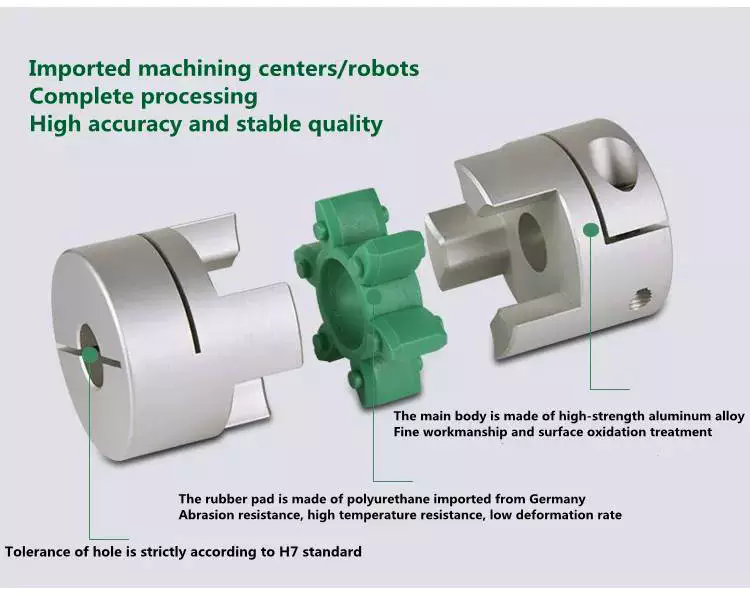
Helicoidal coupling
Helicoidal coupling is a form of nonlinear coupling between two molecules. It occurs when the molecules in a double helix are subjected to oscillations. These oscillations can occur either in the right or left-handed direction. These oscillations are called solitons. Helicoidal coupling can provide quantitative or qualitative support to a structure, such as an electron.
Split Muff coupling
The Split-Muff Coupling market report provides detailed market analysis and key insights. The study covers the market size, segmentation, growth and sales forecast. It also examines key factors driving the market growth and limiting its development. The report also covers current trends and vendor landscapes. Therefore, you can get a deep understanding of the Split-Muff Coupling industry and make the right business decisions.
The report also provides data on the competitive landscape and the latest product and technology innovations. It also provides information on market size, production and income. It also covers the impact of the COVID-19 regulations. The market report is a valuable resource for companies looking to expand their businesses, or to improve existing ones.
In terms of application, Split-Muff Couplings can be used in light to medium duty applications. They are shaped like a semi-cylindrical disc that fits over a shaft. Both parts are threaded for assembly and disassembly. It can be disassembled easily and quickly, and can be used for medium to heavy-duty applications with moderate speeds.
Split Muff couplings are the most popular type of couplings for transferring wet and abrasive materials. Their flanged end fits on most major brands of smooth material muff hoses. In addition, this type of coupling is corrosion-resistant and easy to install. It also does not require any adjustments to the drive shaft’s position.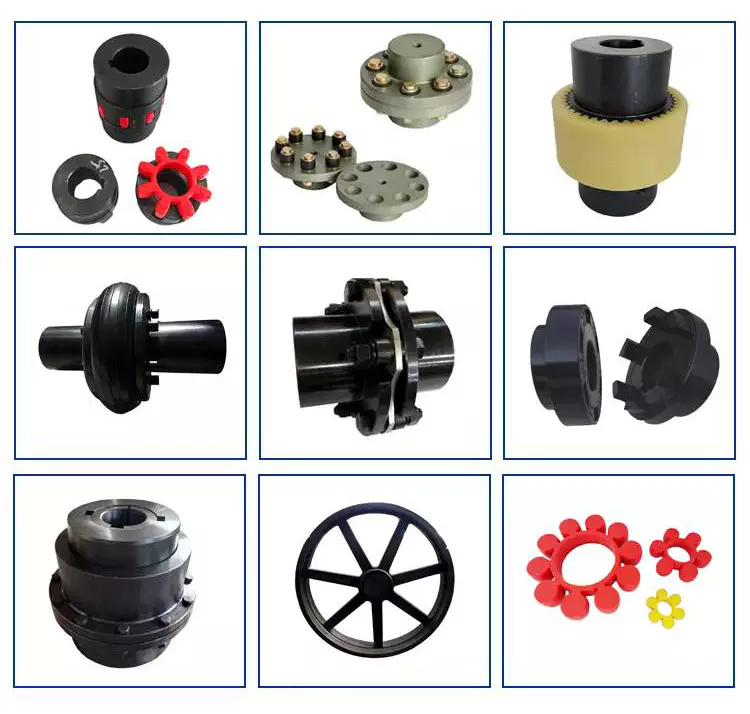
Flexible beam coupling
The Flexible beam coupling is one of the most popular types of couplings in the industry. It is comprised of two sets of parallel coils separated by a solid member, and it offers a wide range of torsional stiffness. These couplings are made of aluminum alloy or stainless steel. They offer excellent flexibility and are less expensive than many other types of couplings. They also require zero maintenance and can tolerate shaft misalignment.
Beam couplings are categorized into two types: helical and axial. The former is characterized by a high degree of flexibility, while the latter is used to compensate for higher misalignment. Both types are suitable for small torque applications and are available in a wide range of shaft sizes.
Flexible beam couplings are available in metric and US sizes, and feature a variety of options. They feature stainless steel or aluminum materials and are highly durable and corrosion-resistant. They also offer high torque capacities and excellent fatigue resistance. Flexible beam couplings are available with a wide range of options to meet your unique application needs.

editor by CX 2023-05-29
China Hot selling Swagelok Type Fittings and Tubing Lhm Low Medium and High Pressure Adapter and Couplings coupling electrical
Product Description
Hikelok Instrumentation Weld Fittings
Features
Materials Standards
Certificates
Factory
Hikelok has a wide range of products, including instrument valves and fittings, ultra-high pressure products, ultra-high purity products, process valves, vacuum products, sampling system, pre-installation system, pressurization unit and tool accessories.
Hikelok low pressure valves, fittings and tubing cover 10NV, 10F, 10CV, 10BV, 15NV, 15F, 15CV, 15BV and 15 series fittings and tubing. Working pressure is up to 15,000psig (1034 bar).
Features
Maximum working pressure up to 15,000 psig (1034 bar)Working temperature from -325 to 1200 (-198 to 649 )Graphite packing working Temperatures up to 1200ºF (649ºC)Non-rotating stem and bar stock body designTubing sizes available for 1/8″,1/4″,3/8″,1/2″Cold-worked type 316 stainless steel body and aluminum bronze packing gland316 stainless steel body material
| Warranty: | 1 Year |
|---|---|
| Standard: | ASTM ASME |
| Technique: | Forged |
| Type: | Socket Union |
| Material: | Stainless Steel |
| Connection: | Male |
| Samples: |
US$ 5/Piece
1 Piece(Min.Order) | |
|---|
| Customization: |
Available
| Customized Request |
|---|
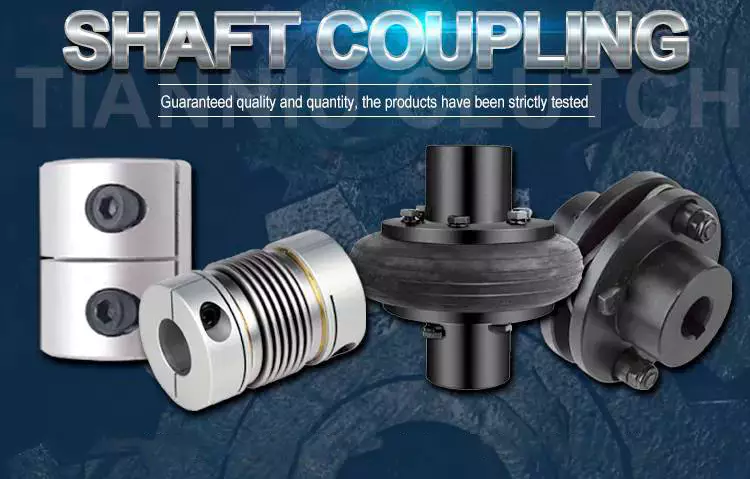
Types of Coupling
A coupling is a device used to join two shafts together and transmit power. Its primary function is to join rotating equipment and allows for some end movement and misalignment. This article discusses different types of coupling, including Magnetic coupling and Shaft coupling. This article also includes information on Overload safety mechanical coupling.
Flexible beam coupling
Flexible beam couplings are universal joints that can deal with shafts that are offset or at an angle. They consist of a tube with couplings at both ends and a thin, flexible helix in the middle. This makes them suitable for use in a variety of applications, from motion control in robotics to attaching encoders to shafts.
These couplings are made of one-piece materials and are often made of stainless steel or aluminium alloy. However, they can also be made of acetal or titanium. While titanium and acetal are less common materials, they are still suitable for high-torque applications. For more information about beam couplings, contact CZPT Components.
Flexible beam couplings come in a variety of types and sizes. W series couplings are good for general purpose applications and are relatively economical. Stainless steel versions have increased torque capacity and torsional stiffness. Flexible beam couplings made of aluminum are ideal for servo and reverse motion. They are also available with metric dimensions.
Flexible beam couplings are made of aluminum alloy or stainless steel. Their patented slot pattern provides low bearing load and high torsional rigidity. They have a long operational life. They also require zero maintenance and can handle angular offset. Their advantages outweigh the disadvantages of traditional beam couplings.
Magnetic coupling
Magnetic coupling transfers torque from one shaft to another using a magnetic field. These couplings can be used on various types of machinery. These types of transmissions are very useful in many situations, especially when you need to move large amounts of weight. The magnetic field is also very effective at reducing friction between the two shafts, which can be extremely helpful if you’re moving heavy items or machinery.
Different magnetic couplings can transmit forces either linearly or rotated. Different magnetic couplings have different topologies and can be made to transmit force in various geometric configurations. Some of these types of couplings are based on different types of materials. For example, a ceramic magnetic material can be used for applications requiring high temperature resistance.
Hybrid couplings are also available. They have a hybrid design, which allows them to operate in either an asynchronous or synchronous mode. Hysterloy is an alloy that is easily magnetized and is used in synchronous couplings. A synchronous magnetic coupling produces a coupled magnetic circuit.
Magnetic coupling is a key factor in many physical processes. In a crystal, molecules exhibit different magnetic properties, depending on their atomic configuration. Consequently, different configurations produce different amounts of magnetic coupling. The type of magnetic coupling a molecule exhibits depends on the exchange parameter Kij. This exchange parameter is calculated by using quantum chemical methods.
Magnetic couplings are most commonly used in fluid transfer pump applications, where the drive shaft is hermetically separated from the fluid. Magnetic couplings also help prevent the transmission of vibration and axial or radial loads through the drive shaft. Moreover, they don’t require external power sources, since they use permanent magnets.
Shaft coupling
A shaft coupling is a mechanical device that connects two shafts. The coupling is designed to transmit full power from one shaft to the other, while keeping the shafts in perfect alignment. It should also reduce transmission of shock loads. Ideally, the coupling should be easy to connect and maintain alignment. It should also be free of projecting parts.
The shaft couplings that are used in machines are typically made of two types: universal coupling and CZPT coupling. CZPT couplings are designed to correct for lateral misalignment and are composed of two flanges with tongues and slots. They are usually fitted with pins. The T1 tongue is fitted into flange A, while the T2 tongue fits into flange B.
Another type of shaft coupling is known as a “sliced” coupling. This type of coupling compensates for inevitable shaft misalignments and provides high torque. Machined slits in the coupling’s outer shell help it achieve high torsional stiffness and excellent flexibility. The design allows for varying engagement angles, making it ideal for many different applications.
A shaft coupling is an important component of any machine. Proper alignment of the two shafts is vital to avoid machine breakdowns. If the shafts are misaligned, extra force can be placed on other parts of the machine, causing vibration, noise, and damage to the components. A good coupling should be easy to connect and should ensure precise alignment of the shaft. Ideally, it should also have no projecting parts.
Shaft couplings are designed to tolerate a certain amount of backlash, but it must be within a system’s threshold. Any angular movement of the shaft beyond this angle is considered excessive backlash. Excessive backlash results in excessive wear, stress, and breakage, and may also cause inaccurate alignment readings. It is therefore imperative to reduce backlash before the shaft alignment process.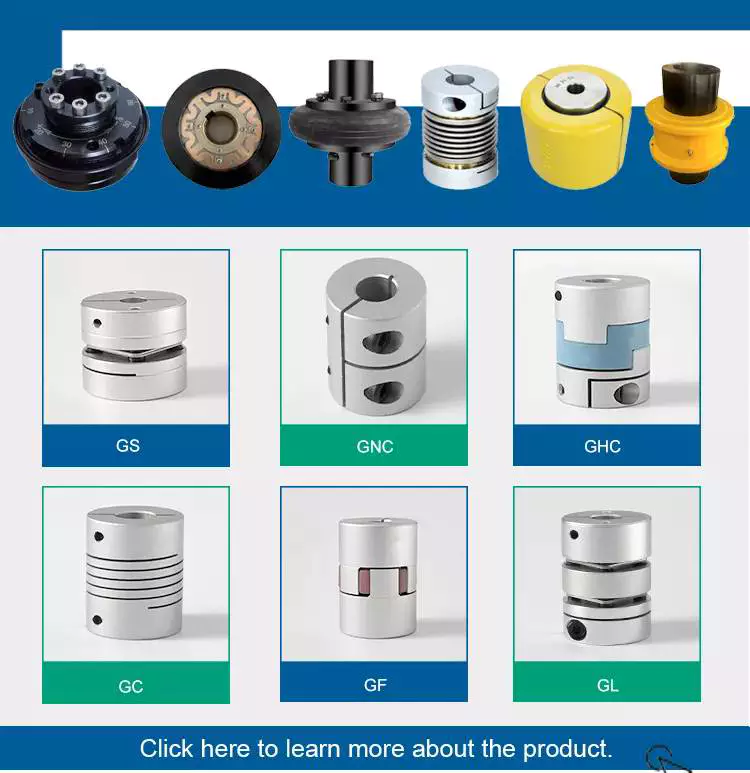
Overload safety mechanical coupling
Overload safety mechanical couplings are devices that automatically disengage when the torque applied to them exceeds a specified limit. They are an efficient way to protect machinery and reduce the downtime associated with repairing damaged machinery. The advantage of overload couplings is their fast reaction time and ease of installation.
Overload safety mechanical couplings can be used in a wide range of applications. Their automatic coupling mechanisms can be used on any face or edge. In addition, they can be genderless, incorporating both male and female coupling features into a single mechanism. This means that they are both safe and gender-neutral.
Overload safety couplings protect rotating power transmission components from overloads. Overload protection devices are installed on electric motors to cut off power if the current exceeds a certain limit. Likewise, fluid couplings in conveyors are equipped with melting plug elements that allow the fluid to escape when the system becomes too hot. Mechanical force transmission devices, such as shear bolts, are designed with overload protection in mind.
A common design of an overload safety mechanical coupling consists of two or more arms and hubs separated by a plastic spider. Each coupling body has a set torque threshold. Exceeding this threshold may damage the spider or damage the jaws. In addition, the spider tends to dampen vibration and absorb axial extension. This coupling style is nearly backlash free, electrically isolating, and can tolerate very little parallel misalignment.
A mechanical coupling may also be a universal joint or jaw-clutch coupling. Its basic function is to connect the driver and driven shafts, and limits torque transfer. These devices are typically used in heavy-duty industries, such as steel plants and rolling mills. They also work well with industrial conveyor systems.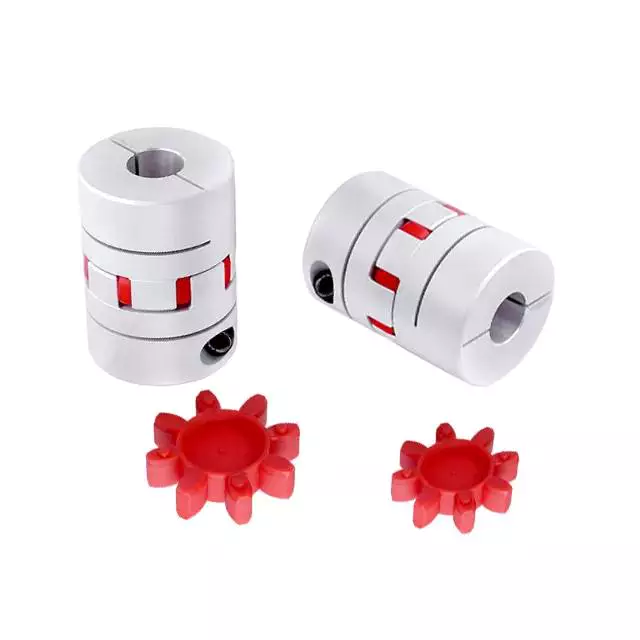
CZPT Pulley
The CZPT Pulley coupling family offers a comprehensive range of couplings for motors of all types. Not only does this range include standard motor couplings, but also servo couplings, which require ultra-precise control. CZPT Pulley couplings are also suitable for engine applications where high shocks and vibrations are encountered.
CZPT Pulley couplings have a “sliced” body structure, which allows for excellent torsional stiffness and strength. They are corrosion-resistant and can withstand high rotational speeds. The couplings’ design also ensures accurate shaft rotation while limiting shaft misalignment.
CZPT Pulley has introduced the CPU Pin Type couplings, which are effective at damping vibration and maintain zero backlash. They are also made from aluminum and are capable of absorbing heat. They come with recessed tightening screws. They can handle speeds up to 4,000 RPM, and are RoHS-compliant.
editor by CX 2023-04-19
China Double elastomer flexible couplings High Quality spider jaw coupling elastic shaft connection 45# steel power transmission coupling electrical
Guarantee: 1 12 months
Relevant Industries: Garment Retailers, Building Substance Shops, Production Plant, Equipment Restore Outlets, Meals & Beverage Manufacturing facility, Factory Price Scorching Sale Clamp type parallel coupling Aluminum flexible shaft connector torque transmission one particular-piece metallic Farms, Strength & Mining, Other
Tailored support: OEM
Construction: Jaw / Spider
Adaptable or Rigid: Flexible
Normal or Nonstandard: Nonstandard
Substance: Metal
Product identify: Double elastomer adaptable coupling
Sort: TS48S
Application: Shaft Connections
Body Material: forty five# Metal
Dimensions: Personalized Dimension
Colour: Black
Floor Treatment: Blackening
Certification: ISO9001:2015
MOQ: 1 Set
Services: 12 Months
Packaging Specifics: standard export packing and wooden pallets packing
Port: ZheJiang port, China
Hot Sale
| 1. Item Identify | Double elastomer versatile coupling |
| two. Sort | TS48S |
| three. Software | Shaft Link |
| four. Brand name | HangZhou CZPT |
| five. MOQ | one Established |
| 6. Cost | EXW price |
| seven. Shipping Way | By sea, DHL, Black color very hot sale flexible jaw spider shaft coupling CZPT coupling UPS, Fedex or as customers’ demands |
| eight. Payment Conditions | By way of T/T |
| 9. Delivery Time | Within 15-20 workdays soon after deposit or as customers’ requirement |
| ten. Packaging | one. Export Wood Box 2. Carton Box three. We can carry out in accordance to customers’ specifications |
Certifications
Company Information
Packaging & Rubber full couplingTyre coupling Shipping and delivery
Purposes
FAQ
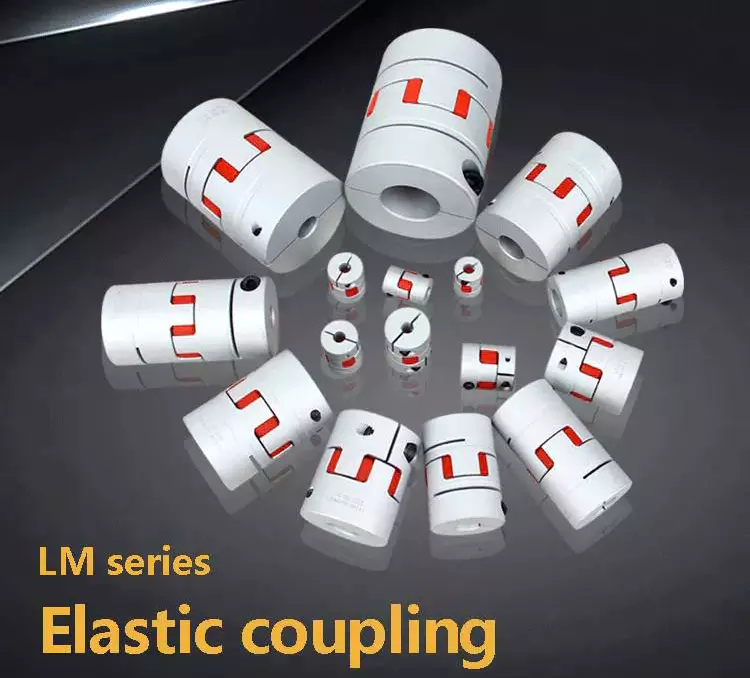
What Is a Coupling?
A coupling is a device that connects two shafts together. It transmits power from one to the other and is used to join rotating equipment. It can also allow for some degree of misalignment and end movement. It is used in mechanical engineering and manufacturing. To learn more about couplings, read this article.
Mechanical connection between two objectsThe present invention relates to a method and assembly for forming a mechanical connection between two objects. The methods of this invention are suitable for connecting both solid and hollow objects. For example, the method can be used to make mechanical connections between two cylinders. This method is particularly useful for connecting two cylinders that are positioned near each other.
Absorbs vibration
A coupling insert is a part of a vehicle’s drivetrain that absorbs vibrations. These inserts are designed to prevent couplings from moving out of phase. However, the coupling inserts themselves can wear out and need to be replaced. Universal joints are an alternative if the coupling is out of phase by more than one degree. In addition, internal bearings in the coupling need to be lubricated and replaced when they begin to show signs of wear.
Another embodiment of the invention includes a flexible coupling 25 that includes rearwardly-extending lugs that extend toward the coupling member 23. These lugs interdigitate with corresponding lugs on the coupling member 23. They are spaced circumferentially. A first elastic member 28 is interposed between lugs 26 and 27, and is adapted to yield in a counterclockwise direction. As a result, it absorbs torsional vibrations.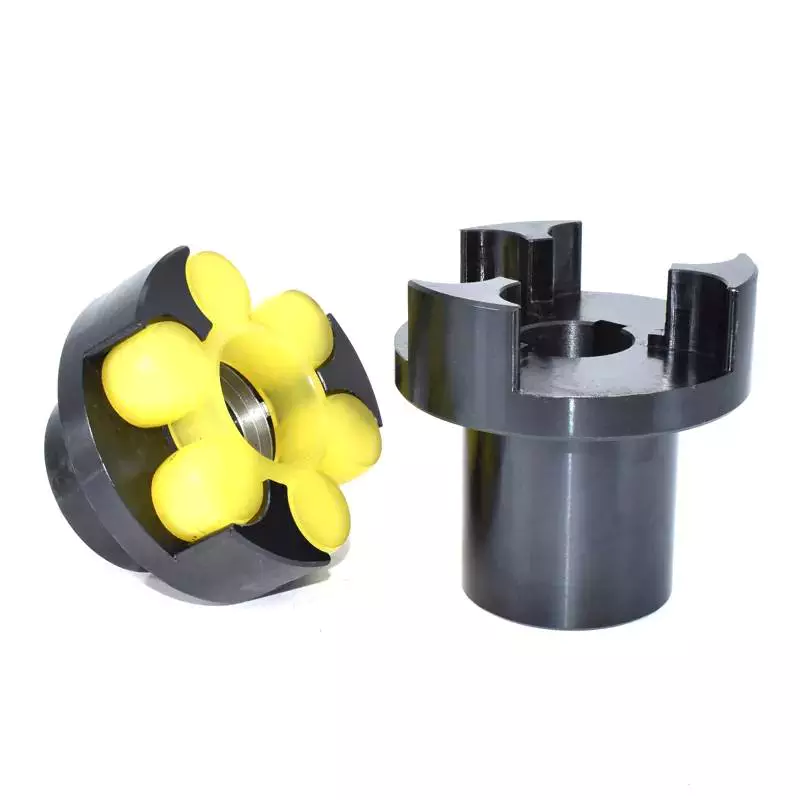
Blocks heat transfer
Thermal coupling occurs when a solid block is thermally coupled to the air or fluid passing through it. The amount of heat transferred through a solid block depends on the heat transfer coefficients of the materials. This paper presents a numerical model to understand how heat transfers through different block materials. This work also describes the thermal resistance network for a one-dimensional block.
In some cases, thermal coupling increases the heat transfer mechanism. As illustrated in FIG. 1D, a heatpipe coupler 112 couples two heatpipes 110-1 and 110-2. This configuration allows the pipes to be coupled to the heat source and to the condenser. In addition, the heat pipe couplers may have bellows at the ends to help facilitate linear motion.
Thermal coupling is achieved by ensuring that at least one block is made of a material with a lower thermal expansion coefficient than the annulus. Ideally, the block’s mean thermal expansion coefficient is at least twenty percent lower than the annulus’s mean thermal expansion coefficient. This ensures that the thermal coupling between the two parts is as efficient as possible.
Another type of thermal coupling is achieved by using flexible elements. These are often washers or springs. These components allow the blocks to maintain physical contact with the post 55, which means that the heat transfer is more efficient even at higher temperatures. The flexibility of these elements also makes it possible to choose an element that will not impede assembly.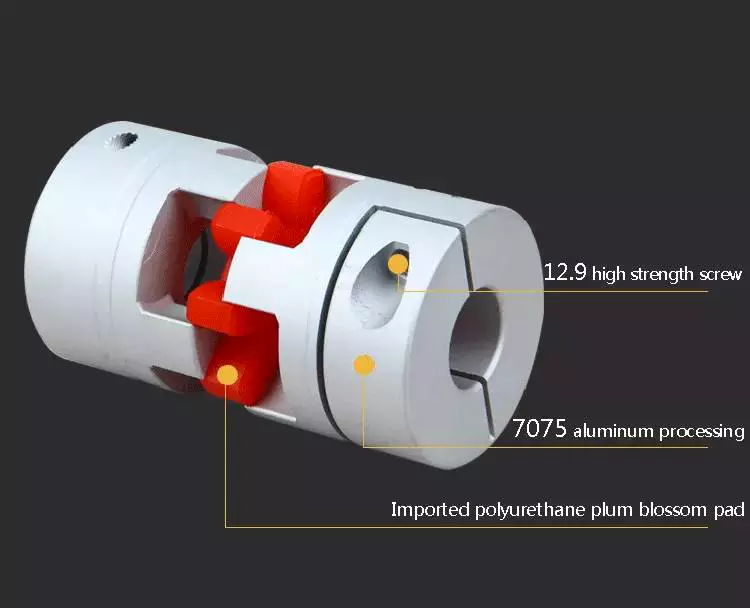
Protects rotating equipment
A reliable, long-lasting coupling system can reduce the risk of damage to rotating equipment. Designed to protect against torque overload and wear, Voith torque-limiting couplings provide outstanding safety and reliability. As a result, they can deliver maximum performance and minimize equipment downtime. In addition to their long-term benefits, these solutions are ideal for applications where safety and reliability are of paramount importance.
A good coupling provides many advantages, including the ability to transmit power, compensate for axial movement, and absorb shock. It is essential to choose the proper coupling for your application based on the basic conditions of your rotating equipment. For example, if you have two shafts with parallel rotation axes, you should choose a parallel coupling. Otherwise, you should use an angular coupling.
Torque-limiting couplings can also provide protection for rotating equipment by disengaging at a specific torque level. This protects the drive shaft from undergoing catastrophic failure. Torque limiters are particularly helpful for high-value equipment. By preventing catastrophic failure, you can avoid expensive repairs and minimize equipment downtime.
Coupling guards are easy to install and provide effective protection for rotating equipment. These covers are made of sheet metal bent to fit over the shaft. They are durable and easy to remove when necessary. This type of guard can prevent employees from catching their hands, tools, or loose clothing on motor coupling components.
editor by CX 2023-04-18
China Cost Effective Eaton NPT Hydraulic Male Hose Couplings for Pressing Manufacturer coupling element
Merchandise Description
1. Ferrule
Ferrule for SAE100R1AT/EN 853 1SN 1ST HOSE
Ferrule for SAE100R2AT/DIN20571 EN853 2SN EN 857 2SC HOSE
FERRULE for 4SP, 4SH HOSE
FERRULE for R7, R8 and varieties of other HOSE
2. Hose Fittings
1) Material: Carbon metal, Stainless steel
2) Finish: yellow Zinc plated, White Zinc Plated
3) Standards: SAE, JIC, BSP, NPT, DIN, and so on
We are production and advertising and marketing all varieties of hydraulic fittings, we can also generate in accordance to customers’ drawings or samples.
| 1. Swaged Metric Fittings | Metric Flat Seal Fittings. |
| Metric Multiseal Fittings | |
| Metric 60°Cone Seal Fittings | |
| Metric 74°Cone Seal Fittings | |
| Metric 24°Cone O-RING Seal L..T Fittings | |
| Metric 24°Cone O-RING Seal H.T.Fittings | |
| Metric Standpipe Straight Fittings | |
| JIS Metric 60°Cone Seal Fitting | |
| 2. Swaged British Fittings | BSP O-RING Seal Fittings |
| BSP Flat Seal Fittings | |
| BSP Multiseal Fittings | |
| BSP 60°Cone Seal Fittings | |
| BSPT Fittings | |
| JIS BSP 60°Cone Seal Fittings | |
| 3. Swaged American Fittings | SAE O-ring Seal Fittings |
| ORFS Flat Seal Fittings | |
| NPSM 60°Cone Seal Fittings | |
| JIC 74°Cone Seal Fittings | |
| NPT Fittings SAE Flange L.T. Fittings | |
| SAE Flange H.T.Fittings | |
| 4. Staplelok Fittings | Banjo Double connection |
| interlock Hose Fittings | |
| 5. Ferrule | FERRULE for SAE100R1AT/ EN 853 1SN HOSE |
| FERRULE for SAE100R1A EN 853 1ST HOSE | |
| FERRULE for SAE100R2AT/DIN20571 2SN HOSE | |
| FERRULE for SAE100R2A/EN 853 2SN HOSE | |
| FERRULE for SAE100R1AT-R2AT, EN853 1SN-2SN, and EN 857 2SC | |
| FERRULE for 4SP,4SH/10-16,R12-06-sixteen HOSE | |
| FERRULE for 4SH, R12/32 HOSE | |
| 6. Metric Adapters | Metric Thread O-RING Encounter Seal Adapters |
| Metric Thread Chunk Variety Tube Adapters | |
| JIS Metric Thread 60°Cone Adapters | |
| Metric Thread 74°Cone Flared Tube Adapters | |
| 7. British Adapters | BSP Thread 60°Cone Adapters |
| JIS BSP Thread 60°Cone Adapters | |
| BSPT Thread Adapters | |
| 8. American Adapters | ORFS Adapters JIC 74°Cone Flared Tube Adapters |
| NPT Thread Adapters. |
Our main items: Substantial force hydraulic hose, Lower strain hose, oil/h2o/air hose, steam hose, sandblasting hose, Industrial and car hose, particular purpose hose, metal hose and sorts personalized hose assembly, hose fitting etc. We can customise rubber hoses such as added long and unique designs, ranging in duration from twenty to two hundred meters upon customers’ request.
Application Field:
For engineering machinery, port equipment, aerospace, vehicle manufacture, equipment instrument producing, wind power producing, shipbuilding industry, motor, textile equipment, petrochemical, agricultural equipment, mining equipment, building equipment, specific vehicle, matall urgical equipment, injuction meals equipment, printing device, railway, hydraulic method, h2o conservancy building
≡ FAQ
Q: Do you produce easy or cloth wrapped protect?
A: Indeed, we can create both include, which is dependent on customer’s request.
Q: Can you create solution with my personal brand name?
A: Indeed, OEM or ODM is warmly welcome by our company. Hope we each parties will reward a lot through the cooperation.
Q:Could we get totally free samples?
A: Indeed. We can offer the totally free sample for you
Q: Does your solution have different shade hose?
A: Indeed, we presently offer black, gray, pink, blue and yellow.
Q:Could you crimp hose?
A: Indeed, we can crimp hose assembly for our consumers
Q: How long does my purchase consider to be shipped?
A: It typically takes 5 to 30 days, which normally depends on the quantity of your buy and our storage.
If you are fascinated in our goods or if you have specific requirements,
Welcome to Contact Us With Any Enquiries!
| Standard: | DIN, ANSI, GB, JIS |
|---|---|
| Material: | Carbon Steel, Stainless Steel |
| Color: | Yellow or White |
| Type: | Fluid Connectors |
| Suitable Medium: | Water/ Oil/ Gas |
| Transport Package: | Wooden Box or as Your Request |
| Samples: |
US$ 1/Piece
1 Piece(Min.Order) | |
|---|
| Customization: |
Available
| Customized Request |
|---|
Functions and Modifications of Couplings
A coupling is a mechanical device that connects two shafts and transmits power. Its main purpose is to join two rotating pieces of equipment together, and it can also be used to allow some end movement or misalignment. There are many different types of couplings, each serving a specific purpose.
Functions
Functions of coupling are useful tools to study the dynamical interaction of systems. These functions have a wide range of applications, ranging from electrochemical processes to climate processes. The research being conducted on these functions is highly interdisciplinary, and experts from different fields are contributing to this issue. As such, this issue will be of interest to scientists and engineers in many fields, including electrical engineering, physics, and mathematics.
To ensure the proper coupling of data, coupling software must perform many essential functions. These include time interpolation and timing, and data exchange between the appropriate nodes. It should also guarantee that the time step of each model is divisible by the data exchange interval. This will ensure that the data exchange occurs at the proper times.
In addition to transferring power, couplings are also used in machinery. In general, couplings are used to join two rotating pieces. However, they can also have other functions, including compensating for misalignment, dampening axial motion, and absorbing shock. These functions determine the coupling type required.
The coupling strength can also be varied. For example, the strength of the coupling can change from negative to positive. This can affect the mode splitting width. Additionally, coupling strength is affected by fabrication imperfections. The strength of coupling can be controlled with laser non-thermal oxidation and water micro-infiltration, but these methods have limitations and are not reversible. Thus, the precise control of coupling strength remains a major challenge.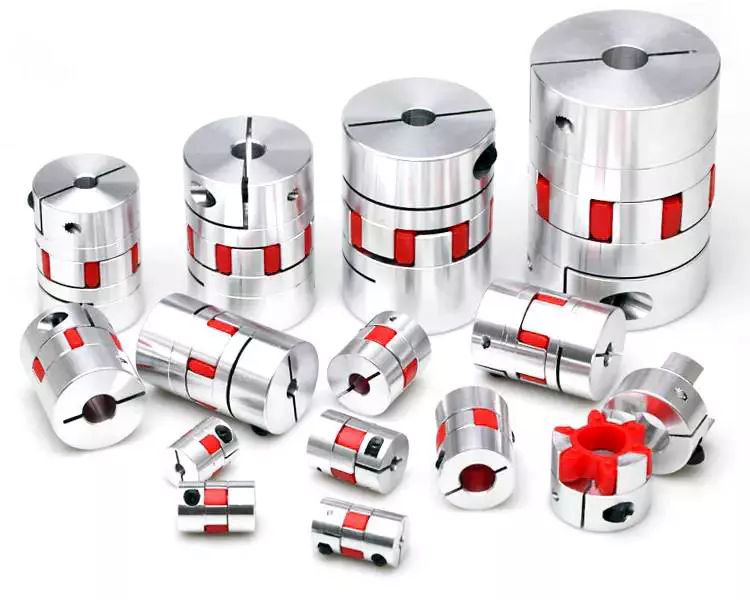
Applications
Couplings transmit power from a driver to the driven piece of equipment. The driver can be an electric motor, steam turbine, gearbox, fan, or pump. A coupling is often the weak link in a pump assembly, but replacing it is less expensive than replacing a sheared shaft.
Coupling functions have wide applications, including biomedical and electrical engineering. In this book, we review some of the most important developments and applications of coupling functions in these fields. We also discuss the future of the field and the implications of these discoveries. This is a comprehensive review of recent advances in coupling functions, and will help guide future research.
Adaptable couplings are another type of coupling. They are made up of a male and female spline in a polymeric material. They can be mounted using traditional keys, keyways, or taper bushings. For applications that require reversal, however, keyless couplings are preferable. Consider your process speed, maximum load capacity, and torque when choosing an adaptable coupling.
Coupling reactions are also used to make pharmaceutical products. These chemical reactions usually involve the joining of two chemical species. In most cases, a metal catalyst is used. The Ullmann reaction, for instance, is an important example of a hetero-coupling reaction. This reaction involves an organic halide with an organometallic compound. The result is a compound with the general formula R-M-R. Another important coupling reaction involves the Suzuki coupling, which unites two chemical species.
In engineering, couplings are mechanical devices that connect two shafts. Couplings are important because they enable the power to be transmitted from one end to the other without allowing a shaft to separate during operation. They also reduce maintenance time. Proper selection, installation, and maintenance, will reduce the amount of time needed to repair a coupling.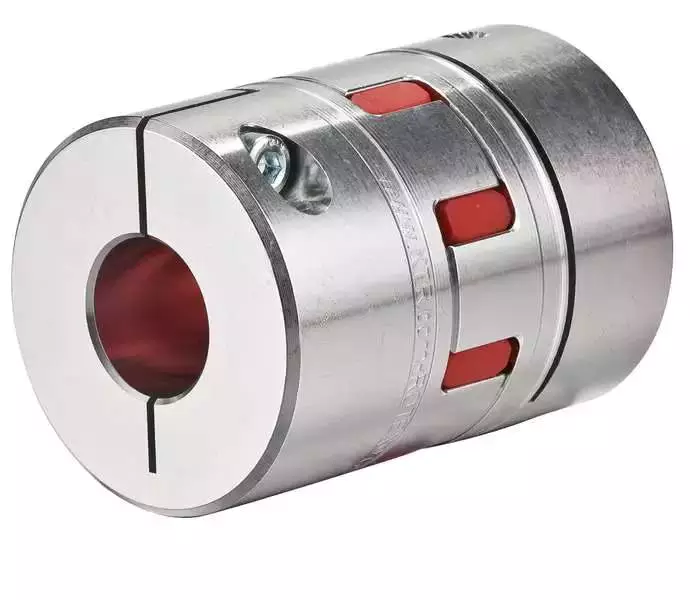
Maintenance
Maintenance of couplings is an important part of the lifecycle of your equipment. It’s important to ensure proper alignment and lubrication to keep them running smoothly. Inspecting your equipment for signs of wear can help you identify problems before they cause downtime. For instance, improper alignment can lead to uneven wear of the coupling’s hubs and grids. It can also cause the coupling to bind when you rotate the shaft manually. Proper maintenance will extend the life of your coupling.
Couplings should be inspected frequently and thoroughly. Inspections should go beyond alignment checks to identify problems and recommend appropriate repairs or replacements. Proper lubrication is important to protect the coupling from damage and can be easily identified using thermography or vibration analysis. In addition to lubrication, a coupling that lacks lubrication may require gaskets or sealing rings.
Proper maintenance of couplings will extend the life of the coupling by minimizing the likelihood of breakdowns. Proper maintenance will help you save money and time on repairs. A well-maintained coupling can be a valuable asset for your equipment and can increase productivity. By following the recommendations provided by your manufacturer, you can make sure your equipment is operating at peak performance.
Proper alignment and maintenance are critical for flexible couplings. Proper coupling alignment will maximize the life of your equipment. If you have a poorly aligned coupling, it may cause other components to fail. In some cases, this could result in costly downtime and increased costs for the company.
Proper maintenance of couplings should be done regularly to minimize costs and prevent downtime. Performing periodic inspections and lubrication will help you keep your equipment in top working order. In addition to the alignment and lubrication, you should also inspect the inside components for wear and alignment issues. If your coupling’s lubrication is not sufficient, it may lead to hardening and cracking. In addition, it’s possible to develop leaks that could cause damage.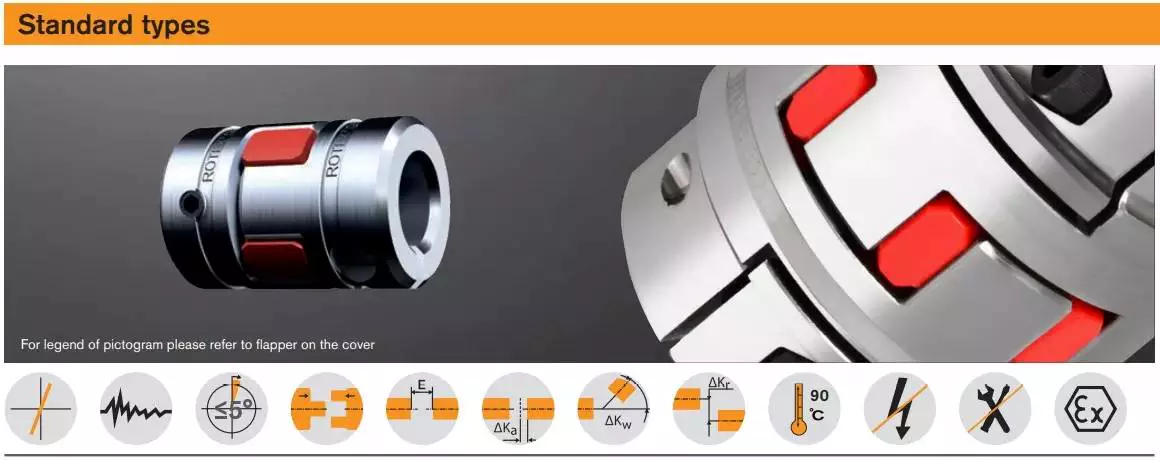
Modifications
The aim of this paper is to investigate the effects of coupling modifications. It shows that such modifications can adversely affect the performance of the coupling mechanism. Moreover, the modifications can be predicted using chemical physics methods. The results presented here are not exhaustive and further research is needed to understand the effects of such coupling modifications.
The modifications to coupling involve nonlinear structural modifications. Four examples of such modifications are presented. Each is illustrated with example applications. Then, the results are verified through experimental and simulated case studies. The proposed methods are applicable to large and complex structures. They are applicable to a variety of engineering systems, including nonlinear systems.
editor by CX 2023-04-10
China Hot Selling SS316L SS304L Stainless Steel Pipe Fittings Clamps Internal Threaded Straight Couplings coupling and types of coupling
Item Description
Sizzling Marketing SS316L SS304L Stainless Metal Pipe Fittings Clamps Inner Threaded Straight Couplings
Datesheet
| Solution Title | Stainless Metal Fitting |
| Shape | Union, Tee, 90° Elbow, 45° Elbow, Bushing, Cap, Coupling, Cross, Nipple, Plug |
| Shade | Silver |
| Head Code | Hexagonal / Round |
| Human body Material | Stainless Metal |
| Thread Type | UNF / UNC / NPT / BSPT / BSPP /RP / SAE |
| Technics | Forged |
| Certification | ISO |
| Sample | Totally free Sample |
| Custom-made Assistance | OEM, ODM |
Benefit
.Mayer Stainless Steel pipe systems are the first choice in metallics for flexibility, durability, ease of installation and longevity.
.Suitable for commercial and industrial applications.
.Mayer pipe systems deliver a competitive return on investment, with a favorable total cost of ownership.
.An extensive range of pipes and fittings from 15mm to 300mm provides installers with a complete solution to meet diverse needs.
.Quality is assured: all pipes and fittings must pass rigorous air and water tightness tests before leaving the factory.
Manufacturing unit and Facility
Principal Items
Certificates
FAQ
Q1: Are you manufacture?
A: Sure we are maker.
Q2: Do you supply cost-free sample?
A: Sure, we provide you totally free sample in 1 day.
Q3: What is your deivery time?
A: Our delivery time is usually 7 to 15 days right after deposit.
Q4: What is the payment phrases?
A: We accept T/T, L/C at sight, PayPal & West union.
Q5: May I visit your factory?
A: Indeed we welcome your browsing us sometime at your ease.
Q6: Can you take our deisgn and goods?
A: Yes we have specialist engineer teams. We can deisgn and generate unique items
According to customers’ request.
|
/ Piece | |
1,000 Pieces (Min. Order) |
###
| Connection: | Female / Male Thread |
|---|---|
| Type: | Compression/Clamping |
| Technics: | Forged |
| Material: | Brass |
| Certification: | ASME, ANSI, DIN, JIS, BS, GB, GS, KS, API |
| Color: | Silver |
###
| Samples: |
US$ 5/Piece
1 Piece(Min.Order) |
|---|
###
| Customization: |
|---|
###
| Product Name | Stainless Steel Fitting |
| Shape | Union, Tee, 90° Elbow, 45° Elbow, Bushing, Cap, Coupling, Cross, Nipple, Plug |
| Color | Silver |
| Head Code | Hexagonal / Round |
| Body Material | Stainless Steel |
| Thread Type | UNF / UNC / NPT / BSPT / BSPP /RP / SAE |
| Technics | Forged |
| Certificate | ISO |
| Sample | Free Sample |
| Customized Support | OEM, ODM |
|
/ Piece | |
1,000 Pieces (Min. Order) |
###
| Connection: | Female / Male Thread |
|---|---|
| Type: | Compression/Clamping |
| Technics: | Forged |
| Material: | Brass |
| Certification: | ASME, ANSI, DIN, JIS, BS, GB, GS, KS, API |
| Color: | Silver |
###
| Samples: |
US$ 5/Piece
1 Piece(Min.Order) |
|---|
###
| Customization: |
|---|
###
| Product Name | Stainless Steel Fitting |
| Shape | Union, Tee, 90° Elbow, 45° Elbow, Bushing, Cap, Coupling, Cross, Nipple, Plug |
| Color | Silver |
| Head Code | Hexagonal / Round |
| Body Material | Stainless Steel |
| Thread Type | UNF / UNC / NPT / BSPT / BSPP /RP / SAE |
| Technics | Forged |
| Certificate | ISO |
| Sample | Free Sample |
| Customized Support | OEM, ODM |
Functions and Modifications of Couplings
A coupling is a mechanical device that connects two shafts and transmits power. Its main purpose is to join two rotating pieces of equipment together, and it can also be used to allow some end movement or misalignment. There are many different types of couplings, each serving a specific purpose.
Functions
Functions of coupling are useful tools to study the dynamical interaction of systems. These functions have a wide range of applications, ranging from electrochemical processes to climate processes. The research being conducted on these functions is highly interdisciplinary, and experts from different fields are contributing to this issue. As such, this issue will be of interest to scientists and engineers in many fields, including electrical engineering, physics, and mathematics.
To ensure the proper coupling of data, coupling software must perform many essential functions. These include time interpolation and timing, and data exchange between the appropriate nodes. It should also guarantee that the time step of each model is divisible by the data exchange interval. This will ensure that the data exchange occurs at the proper times.
In addition to transferring power, couplings are also used in machinery. In general, couplings are used to join two rotating pieces. However, they can also have other functions, including compensating for misalignment, dampening axial motion, and absorbing shock. These functions determine the coupling type required.
The coupling strength can also be varied. For example, the strength of the coupling can change from negative to positive. This can affect the mode splitting width. Additionally, coupling strength is affected by fabrication imperfections. The strength of coupling can be controlled with laser non-thermal oxidation and water micro-infiltration, but these methods have limitations and are not reversible. Thus, the precise control of coupling strength remains a major challenge.
Applications
Couplings transmit power from a driver to the driven piece of equipment. The driver can be an electric motor, steam turbine, gearbox, fan, or pump. A coupling is often the weak link in a pump assembly, but replacing it is less expensive than replacing a sheared shaft.
Coupling functions have wide applications, including biomedical and electrical engineering. In this book, we review some of the most important developments and applications of coupling functions in these fields. We also discuss the future of the field and the implications of these discoveries. This is a comprehensive review of recent advances in coupling functions, and will help guide future research.
Adaptable couplings are another type of coupling. They are made up of a male and female spline in a polymeric material. They can be mounted using traditional keys, keyways, or taper bushings. For applications that require reversal, however, keyless couplings are preferable. Consider your process speed, maximum load capacity, and torque when choosing an adaptable coupling.
Coupling reactions are also used to make pharmaceutical products. These chemical reactions usually involve the joining of two chemical species. In most cases, a metal catalyst is used. The Ullmann reaction, for instance, is an important example of a hetero-coupling reaction. This reaction involves an organic halide with an organometallic compound. The result is a compound with the general formula R-M-R. Another important coupling reaction involves the Suzuki coupling, which unites two chemical species.
In engineering, couplings are mechanical devices that connect two shafts. Couplings are important because they enable the power to be transmitted from one end to the other without allowing a shaft to separate during operation. They also reduce maintenance time. Proper selection, installation, and maintenance, will reduce the amount of time needed to repair a coupling.
Maintenance
Maintenance of couplings is an important part of the lifecycle of your equipment. It’s important to ensure proper alignment and lubrication to keep them running smoothly. Inspecting your equipment for signs of wear can help you identify problems before they cause downtime. For instance, improper alignment can lead to uneven wear of the coupling’s hubs and grids. It can also cause the coupling to bind when you rotate the shaft manually. Proper maintenance will extend the life of your coupling.
Couplings should be inspected frequently and thoroughly. Inspections should go beyond alignment checks to identify problems and recommend appropriate repairs or replacements. Proper lubrication is important to protect the coupling from damage and can be easily identified using thermography or vibration analysis. In addition to lubrication, a coupling that lacks lubrication may require gaskets or sealing rings.
Proper maintenance of couplings will extend the life of the coupling by minimizing the likelihood of breakdowns. Proper maintenance will help you save money and time on repairs. A well-maintained coupling can be a valuable asset for your equipment and can increase productivity. By following the recommendations provided by your manufacturer, you can make sure your equipment is operating at peak performance.
Proper alignment and maintenance are critical for flexible couplings. Proper coupling alignment will maximize the life of your equipment. If you have a poorly aligned coupling, it may cause other components to fail. In some cases, this could result in costly downtime and increased costs for the company.
Proper maintenance of couplings should be done regularly to minimize costs and prevent downtime. Performing periodic inspections and lubrication will help you keep your equipment in top working order. In addition to the alignment and lubrication, you should also inspect the inside components for wear and alignment issues. If your coupling’s lubrication is not sufficient, it may lead to hardening and cracking. In addition, it’s possible to develop leaks that could cause damage.
Modifications
The aim of this paper is to investigate the effects of coupling modifications. It shows that such modifications can adversely affect the performance of the coupling mechanism. Moreover, the modifications can be predicted using chemical physics methods. The results presented here are not exhaustive and further research is needed to understand the effects of such coupling modifications.
The modifications to coupling involve nonlinear structural modifications. Four examples of such modifications are presented. Each is illustrated with example applications. Then, the results are verified through experimental and simulated case studies. The proposed methods are applicable to large and complex structures. They are applicable to a variety of engineering systems, including nonlinear systems.
editor by CX 2023-03-29
China Pump Motor Connector Disc Pack Steel Flexible Shaft Elastic Flex Lamina Film Disc Couplings cast of coupling
Merchandise Description
♦FAQ
Q 1: Are you investing company or company?
A: We are a skilled manufacturer specializing in producing
a variety of collection of couplings.
Q 2:Can you do OEM?
Sure, we can. We can do OEM & ODM for all the customers with custom-made artworks of PDF or AI format.
Q 3:How lengthy is your shipping and delivery time?
Typically it is 20-30 days if the goods are not in stock. It is in accordance to quantity.
Q 4: Do you provide samples ? Is it cost-free or extra ?
Yes, we could provide the sample but not for free of charge.Really we have a extremely very good value theory, when you make the bulk get then value of sample will be deducted.
Q 5: How extended is your warranty?
A: Our Warranty is 12 thirty day period beneath typical circumstance.
Q 6: What is the MOQ?
A:Typically our MOQ is 1pcs.
Q 7: Do you have inspection techniques for coupling ?
A:a hundred% self-inspection prior to packing.
Q 8: Can I have a visit to your manufacturing unit ahead of the buy?
A: Confident,welcome to visit our manufacturing unit.
Q 9: What is actually your payment?
A:1) T/T. 2) L/C
|
/ Piece | |
1 Piece (Min. Order) |
###
| Standard Or Nonstandard: | Standard |
|---|---|
| Shaft Hole: | 92mm |
| Torque: | 63n.M |
| Bore Diameter: | 20-38mm |
| Speed: | 9300r.Min-1 |
| Structure: | Flexible |
###
| Customization: |
|---|
|
/ Piece | |
1 Piece (Min. Order) |
###
| Standard Or Nonstandard: | Standard |
|---|---|
| Shaft Hole: | 92mm |
| Torque: | 63n.M |
| Bore Diameter: | 20-38mm |
| Speed: | 9300r.Min-1 |
| Structure: | Flexible |
###
| Customization: |
|---|
What Is a Coupling?
A coupling is a device used to connect two shafts. It transmits power between them and allows for some misalignment or end movement. There are several types of couplings. The most common ones are gear couplings and planetary couplings. However, there are many others as well.
Transfer of energy
Energy coupling is a process by which two biological reactions are linked by sharing energy. The energy released during one reaction can be used to drive the second. It is a very useful mechanism that synchronizes two biological systems. All cells have two types of reactions, exergonic and endergonic, and they are connected through energy coupling.
This process is important for a number of reasons. The first is that it allows the exchange of electrons and their energy. In a single molecule, this energy transfer involves the exchange of two electrons of different energy and spin. This exchange occurs because of the overlap interaction of two MOs.
Secondly, it is possible to achieve quadratic coupling. This is a phenomenon that occurs in circular membrane resonators when the system is statically deflected. This phenomenon has been gaining a great deal of interest as a mechanism for stronger coupling. If this mechanism is employed in a physical system, energy can be transferred on a nanometer scale.
The magnetic field is another important factor that affects the exchange of energy between semiconductor QWs. A strong magnetic field controls the strength of the coupling and the energy order of the exciton. The magnetic field can also influence the direction of polariton-mediated energy transfer. This mechanism is very promising for controlling the routing of excitation in a semiconductor.
Functions
Couplings play a variety of functions, including transferring power, compensating for misalignment, and absorbing shock. These functions depend on the type of shaft being coupled. There are four basic types: angular, parallel, and symmetrical. In many cases, coupling is necessary to accommodate misalignment.
Couplings are mechanical devices that join two rotating pieces of equipment. They are used to transfer power and allow for a small degree of end-to-end misalignment. This allows them to be used in many different applications, such as the transmission from the gearbox to the differential in an automobile. In addition, couplings can be used to transfer power to spindles.
Types
There are two main types of couplings: rigid and flexible. Rigid couplings are designed to prevent relative motion between the two shafts and are suitable for applications where precise alignment is required. However, high stresses in the case of significant misalignment can cause early failure of the coupling. Flexible couplings, on the other hand, allow for misalignment and allow for torque transmission.
A software application may exhibit different types of coupling. The first type involves the use of data. This means that one module may use data from another module for its operation. A good example of data coupling is the inheritance of an object. In a software application, one module can use another module’s data and parameters.
Another type of coupling is a rigid sleeve coupling. This type of coupling has a pipe with a bore that is finished to a specified tolerance. The pipe contains two threaded holes for transmitting torque. The sleeve is secured by a gib head key. This type of coupling may be used in applications where a couple of shafts are close together.
Other types of coupling include common and external. Common coupling occurs when two modules share global data and communication protocols. This type of coupling can lead to uncontrollable error propagation and unforeseen side effects when changes are made to the system. External coupling, on the other hand, involves two modules sharing an external device interface or communication protocol. Both types of coupling involve a shared code structure and depend on the external modules or hardware.
Mechanical couplings are essential in power transmission. They connect rotating shafts and can either be rigid or flexible, depending on the accuracy required. These couplings are used in pumps, compressors, motors, and generators to transmit power and torque. In addition to transferring power, couplings can also prevent torque overload.
Applications
Different coupling styles are ideal for different applications, and they have different characteristics that influence the coupling’s reliability during operation. These characteristics include stiffness, misalignment capability, ease of installation and maintenance, inherent balance, and speed capability. Selecting the right coupling style for a particular application is essential to minimize performance problems and maximize utility.
It is important to know the requirements for the coupling you choose before you start shopping. A proper selection process takes into account several design criteria, including torque and rpm, acoustic signals, and environmental factors. Once you’ve identified these parameters, you can select the best coupling for the job.
A gear coupling provides a mechanical connection between two rotating shafts. These couplings use gear mesh to transmit torque and power between two shafts. They’re typically used on large industrial machines, but they can also be used in smaller motion control systems. In smaller systems, a zero-backlash coupling design is ideal.
Another type of coupling is the flange coupling. These are easy to manufacture. Their design is similar to a sleeve coupling. But unlike a sleeve coupling, a flange coupling features a keyway on one side and two threaded holes on the other. These couplings are used in medium-duty industrial applications.
Besides being useful for power transmission, couplings can also prevent machine vibration. If vibration occurs in a machine, it can cause it to deviate from its predetermined position, or damage the motor. Couplings, however, help prevent this by absorbing the vibration and shock and preventing damage to expensive parts.
Couplings are heavily used in the industrial machinery and electrical industries. They provide the necessary rotation mechanism required by machinery and other equipment. Coupling suppliers can help customers find the right coupling for a specific application.
Criteria for selecting a coupling
When selecting a coupling for a specific application, there are a number of different factors to consider. These factors vary greatly, as do operating conditions, so selecting the best coupling for your system can be challenging. Some of these factors include horsepower, torque, and speed. You also need to consider the size of the shafts and the geometry of the equipment. Space restrictions and maintenance and installation requirements should also be taken into account. Other considerations can be specific to your system, such as the need for reversing.
First, determine what size coupling you need. The coupling’s size should be able to handle the torque required by the application. In addition, determine the interface connection, such as straight or tapered keyed shafts. Some couplings also feature integral flange connections.
During the specification process, be sure to specify which materials the coupling will be made of. This is important because the material will dictate most of its performance characteristics. Most couplings are made of stainless steel or aluminum, but you can also find ones made of Delrin, titanium, or other engineering-grade materials.
One of the most important factors to consider when selecting a coupling is its torque capability. If the torque rating is not adequate, the coupling can be damaged or break easily. Torque is a major factor in coupling selection, but it is often underestimated. In order to ensure maximum coupling performance, you should also take into consideration the size of the shafts and hubs.
In some cases, a coupling will need lubrication throughout its lifecycle. It may need to be lubricated every six months or even once a year. But there are couplings available that require no lubrication at all. An RBI flexible coupling by CZPT is one such example. Using a coupling of this kind can immediately cut down your total cost of ownership.
editor by CX 2023-03-27
China Aluminum Guillemin Couplings for Reducing Coupling brass coupling
Product Description
Aluminum Guillemin Couplings For Lowering Coupling
HYROTECH Strength
1.Competitive Charges
2.Only produce substantial quality products
three.Raw Materials quality strictly checked prior to manufacturing
4.Different checks ahead of delivery to make sure steady quality
5.Really rapidly shipping and delivery time
Solution Introduction
Swift link camlock couplings fittings are the economical, handy and simple way to transfer liquids and dry goods. available in a vast of variety of resources and sizes to go well with most programs ( This kind of as: In Petrochemical Industries, Fertilizers, Atomic Energy, Energy Crops, Industrial & Hydraulic goods serving the oil & fuel industries, chemical industries, steel crops, mining industries, oil refinery industries ect.)
Merchandise Variety
1.King mix nipple(kc nopple)&Hose menders
two.Storz coupling&Hose Tail
three.Double bolt clamps
4.Bauer couplings
5.Hose clamp:Germany Kind&American Variety&British Tpe&T bolt
Manufacturing unit Show
Our manufacturing unit covers an region of 20000 sq. meters workship with a overall make investments ment up to RMB 100 million.
We own a hundred sets of distinct products for manufacturing, tests and employ more than two hundred staffs, which includes fifteen experts.
Our Annul output is 10 million meters for hydraulic hoses and 5 million meters for industrial hoses.
Bundle
Get in touch with us
We are ready for you, please really feel free to get in touch with us. We will make stable and large top quality merchandise for you.
|
US $2 / Piece | |
50 Pieces (Min. Order) |
###
| Connection: | Male |
|---|---|
| Structure: | Control |
| Flexible or Rigid: | Flexible |
| Material: | Stainless Steel |
| Standard: | Standard |
| Model No.: | Bauer Coupling |
###
| Samples: |
US$ 5/Piece
1 Piece(Min.Order) |
|---|
|
US $2 / Piece | |
50 Pieces (Min. Order) |
###
| Connection: | Male |
|---|---|
| Structure: | Control |
| Flexible or Rigid: | Flexible |
| Material: | Stainless Steel |
| Standard: | Standard |
| Model No.: | Bauer Coupling |
###
| Samples: |
US$ 5/Piece
1 Piece(Min.Order) |
|---|
Types of Coupling
A coupling is a device used to join two shafts together and transmit power. Its primary function is to join rotating equipment and allows for some end movement and misalignment. This article discusses different types of coupling, including Magnetic coupling and Shaft coupling. This article also includes information on Overload safety mechanical coupling.
Flexible beam coupling
Flexible beam couplings are universal joints that can deal with shafts that are offset or at an angle. They consist of a tube with couplings at both ends and a thin, flexible helix in the middle. This makes them suitable for use in a variety of applications, from motion control in robotics to attaching encoders to shafts.
These couplings are made of one-piece materials and are often made of stainless steel or aluminium alloy. However, they can also be made of acetal or titanium. While titanium and acetal are less common materials, they are still suitable for high-torque applications. For more information about beam couplings, contact CZPT Components.
Flexible beam couplings come in a variety of types and sizes. W series couplings are good for general purpose applications and are relatively economical. Stainless steel versions have increased torque capacity and torsional stiffness. Flexible beam couplings made of aluminum are ideal for servo and reverse motion. They are also available with metric dimensions.
Flexible beam couplings are made of aluminum alloy or stainless steel. Their patented slot pattern provides low bearing load and high torsional rigidity. They have a long operational life. They also require zero maintenance and can handle angular offset. Their advantages outweigh the disadvantages of traditional beam couplings.
Magnetic coupling
Magnetic coupling transfers torque from one shaft to another using a magnetic field. These couplings can be used on various types of machinery. These types of transmissions are very useful in many situations, especially when you need to move large amounts of weight. The magnetic field is also very effective at reducing friction between the two shafts, which can be extremely helpful if you’re moving heavy items or machinery.
Different magnetic couplings can transmit forces either linearly or rotated. Different magnetic couplings have different topologies and can be made to transmit force in various geometric configurations. Some of these types of couplings are based on different types of materials. For example, a ceramic magnetic material can be used for applications requiring high temperature resistance.
Hybrid couplings are also available. They have a hybrid design, which allows them to operate in either an asynchronous or synchronous mode. Hysterloy is an alloy that is easily magnetized and is used in synchronous couplings. A synchronous magnetic coupling produces a coupled magnetic circuit.
Magnetic coupling is a key factor in many physical processes. In a crystal, molecules exhibit different magnetic properties, depending on their atomic configuration. Consequently, different configurations produce different amounts of magnetic coupling. The type of magnetic coupling a molecule exhibits depends on the exchange parameter Kij. This exchange parameter is calculated by using quantum chemical methods.
Magnetic couplings are most commonly used in fluid transfer pump applications, where the drive shaft is hermetically separated from the fluid. Magnetic couplings also help prevent the transmission of vibration and axial or radial loads through the drive shaft. Moreover, they don’t require external power sources, since they use permanent magnets.
Shaft coupling
A shaft coupling is a mechanical device that connects two shafts. The coupling is designed to transmit full power from one shaft to the other, while keeping the shafts in perfect alignment. It should also reduce transmission of shock loads. Ideally, the coupling should be easy to connect and maintain alignment. It should also be free of projecting parts.
The shaft couplings that are used in machines are typically made of two types: universal coupling and CZPT coupling. CZPT couplings are designed to correct for lateral misalignment and are composed of two flanges with tongues and slots. They are usually fitted with pins. The T1 tongue is fitted into flange A, while the T2 tongue fits into flange B.
Another type of shaft coupling is known as a “sliced” coupling. This type of coupling compensates for inevitable shaft misalignments and provides high torque. Machined slits in the coupling’s outer shell help it achieve high torsional stiffness and excellent flexibility. The design allows for varying engagement angles, making it ideal for many different applications.
A shaft coupling is an important component of any machine. Proper alignment of the two shafts is vital to avoid machine breakdowns. If the shafts are misaligned, extra force can be placed on other parts of the machine, causing vibration, noise, and damage to the components. A good coupling should be easy to connect and should ensure precise alignment of the shaft. Ideally, it should also have no projecting parts.
Shaft couplings are designed to tolerate a certain amount of backlash, but it must be within a system’s threshold. Any angular movement of the shaft beyond this angle is considered excessive backlash. Excessive backlash results in excessive wear, stress, and breakage, and may also cause inaccurate alignment readings. It is therefore imperative to reduce backlash before the shaft alignment process.
Overload safety mechanical coupling
Overload safety mechanical couplings are devices that automatically disengage when the torque applied to them exceeds a specified limit. They are an efficient way to protect machinery and reduce the downtime associated with repairing damaged machinery. The advantage of overload couplings is their fast reaction time and ease of installation.
Overload safety mechanical couplings can be used in a wide range of applications. Their automatic coupling mechanisms can be used on any face or edge. In addition, they can be genderless, incorporating both male and female coupling features into a single mechanism. This means that they are both safe and gender-neutral.
Overload safety couplings protect rotating power transmission components from overloads. Overload protection devices are installed on electric motors to cut off power if the current exceeds a certain limit. Likewise, fluid couplings in conveyors are equipped with melting plug elements that allow the fluid to escape when the system becomes too hot. Mechanical force transmission devices, such as shear bolts, are designed with overload protection in mind.
A common design of an overload safety mechanical coupling consists of two or more arms and hubs separated by a plastic spider. Each coupling body has a set torque threshold. Exceeding this threshold may damage the spider or damage the jaws. In addition, the spider tends to dampen vibration and absorb axial extension. This coupling style is nearly backlash free, electrically isolating, and can tolerate very little parallel misalignment.
A mechanical coupling may also be a universal joint or jaw-clutch coupling. Its basic function is to connect the driver and driven shafts, and limits torque transfer. These devices are typically used in heavy-duty industries, such as steel plants and rolling mills. They also work well with industrial conveyor systems.
CZPT Pulley
The CZPT Pulley coupling family offers a comprehensive range of couplings for motors of all types. Not only does this range include standard motor couplings, but also servo couplings, which require ultra-precise control. CZPT Pulley couplings are also suitable for engine applications where high shocks and vibrations are encountered.
CZPT Pulley couplings have a “sliced” body structure, which allows for excellent torsional stiffness and strength. They are corrosion-resistant and can withstand high rotational speeds. The couplings’ design also ensures accurate shaft rotation while limiting shaft misalignment.
CZPT Pulley has introduced the CPU Pin Type couplings, which are effective at damping vibration and maintain zero backlash. They are also made from aluminum and are capable of absorbing heat. They come with recessed tightening screws. They can handle speeds up to 4,000 RPM, and are RoHS-compliant.
editor by czh 2023-01-16
China ODM/OEM CNC Machining/Lathing High Precision Tractor Flange Joint Couplings with Black Treatment for Automotive Industry Certificated coupling cast
Merchandise Description
You can kindly uncover the specification particulars underneath:
HangZhou Mastery Equipment Engineering Co., LTD helps companies and manufacturers satisfy their equipment components by precision manufacturing. Higher precision equipment items like the shaft, worm screw, bushing……Our products are used broadly in digital motors, the main shaft of the engine, the transmission shaft in the gearbox, couplers, printers, pumps, drones, and so on. They cater to different industries, such as automotive, industrial, power resources, yard equipment, health care, intelligent residence, and many others.
Mastery caters to the industrial industry by offering large-degree Cardan shafts, pump shafts, and a bushing that appear in various dimensions ranging from diameter 3mm-50mm. Our products are exclusively formulated for transmissions, robots, gearboxes, industrial supporters, and drones, and so on.
Mastery factory presently has far more than 100 primary production equipment such as CNC lathe, CNC machining centre, CAM Automated Lathe, grinding machine, hobbing device, and so on. The manufacturing potential can be up to 5-micron mechanical tolerance precision, computerized wiring device processing range covering 3mm-50mm diameter bar.
Key Specs:
| Title | Shaft/Motor Shaft/Drive Shaft/Equipment Shaft/Pump Shaft/Worm Screw/Worm Gear/Bushing/Ring/Joint/Pin |
| Material | 40Cr/35C/GB45/70Cr/40CrMo |
| Method | Machining/Lathing/Milling/Drilling/Grinding/Polishing |
| Dimension | 2-400mm(Personalized) |
| Diameter | φ45(Tailored) |
| Diameter Tolerance | .01mm |
| Roundness | .01mm |
| Roughness | Ra0.4 |
| Straightness | .008mm |
| Hardness | Customized |
| Duration | 15mm(Tailored) |
| Warmth Treatment | Custom-made |
| Surface area remedy | Coating/Ni plating/Zn plating/QPQ/Carbonization/Quenching/Black Treatment/Steaming Treatment/Nitrocarburizing/Carbonitriding |
High quality Management:
- Raw Materials Quality Handle: Chemical Composition Evaluation, Mechanical Efficiency Take a look at, ROHS, and Mechanical Dimension Check out
- Generation Method Good quality Handle: Complete-dimension inspection for the 1st part, Critical measurement method inspection, SPC approach checking
- Lab capability: CMM, OGP, XRF, Roughness meter, Profiler, Automated optical inspector
- Good quality system: ISO9001, IATF 16949, ISO14001
- Eco-Friendly: ROHS, Attain.
Packaging and Transport:
During the entire process of our source chain administration, steady on-time supply is important and really essential for the success of our company.
Mastery utilizes numerous diverse transport strategies that are comprehensive under:
For Samples/Modest Q’ty: By Categorical Services or Air Fright.
For Official Order: By Sea or by air according to your prerequisite.
Mastery Companies:
- 1-Cease resolution from concept to item/ODM&OEM appropriate
- Individual investigation and sourcing/acquiring responsibilities
- Personal supplier administration/advancement, on-internet site good quality check assignments
- Muti-types/small batch/customization/demo orders are appropriate
- Adaptability on amount/Quick samples
- Forecast and uncooked material planning in advance are negotiable
- Rapid estimates and swift responses
Common Parameters:
If you are seeking for a reliable equipment merchandise associate, you can depend on Mastery. Function with us and let us support you expand your business utilizing our customizable and cost-effective goods.
|
US $0.01-2.89 / Piece | |
500 Pieces (Min. Order) |
###
| Standard: | ANSI, DIN, GB, JIS, GOST, BSW |
|---|---|
| Type: | Threaded Connection Flange |
| Material: | Alloy Steel |
| Structure: | Flanges |
| Connection: | Clamps |
| Sealing Surface: | RF |
###
| Customization: |
Available
|
|---|
###
| Name | Shaft/Motor Shaft/Drive Shaft/Gear Shaft/Pump Shaft/Worm Screw/Worm Gear/Bushing/Ring/Joint/Pin |
| Material | 40Cr/35C/GB45/70Cr/40CrMo |
| Process | Machining/Lathing/Milling/Drilling/Grinding/Polishing |
| Size | 2-400mm(Customized) |
| Diameter | φ45(Customized) |
| Diameter Tolerance | 0.01mm |
| Roundness | 0.01mm |
| Roughness | Ra0.4 |
| Straightness | 0.008mm |
| Hardness | Customized |
| Length | 15mm(Customized) |
| Heat Treatment | Customized |
| Surface treatment | Coating/Ni plating/Zn plating/QPQ/Carbonization/Quenching/Black Treatment/Steaming Treatment/Nitrocarburizing/Carbonitriding |
|
US $0.01-2.89 / Piece | |
500 Pieces (Min. Order) |
###
| Standard: | ANSI, DIN, GB, JIS, GOST, BSW |
|---|---|
| Type: | Threaded Connection Flange |
| Material: | Alloy Steel |
| Structure: | Flanges |
| Connection: | Clamps |
| Sealing Surface: | RF |
###
| Customization: |
Available
|
|---|
###
| Name | Shaft/Motor Shaft/Drive Shaft/Gear Shaft/Pump Shaft/Worm Screw/Worm Gear/Bushing/Ring/Joint/Pin |
| Material | 40Cr/35C/GB45/70Cr/40CrMo |
| Process | Machining/Lathing/Milling/Drilling/Grinding/Polishing |
| Size | 2-400mm(Customized) |
| Diameter | φ45(Customized) |
| Diameter Tolerance | 0.01mm |
| Roundness | 0.01mm |
| Roughness | Ra0.4 |
| Straightness | 0.008mm |
| Hardness | Customized |
| Length | 15mm(Customized) |
| Heat Treatment | Customized |
| Surface treatment | Coating/Ni plating/Zn plating/QPQ/Carbonization/Quenching/Black Treatment/Steaming Treatment/Nitrocarburizing/Carbonitriding |
What Is a Coupling?
A coupling is a mechanical device that links two shafts together and transmits power. Its purpose is to join rotating equipment while permitting a small amount of misalignment or end movement. Couplings come in a variety of different types and are used in a variety of applications. They can be used in hydraulics, pneumatics, and many other industries.
Types
Coupling is a term used to describe a relationship between different modules. When a module depends on another, it can have different types of coupling. Common coupling occurs when modules share certain overall constraints. When this type of coupling occurs, any changes to the common constraint will also affect the other modules. Common coupling has its advantages and disadvantages. It is difficult to maintain and provides less control over the modules than other types of coupling.
There are many types of coupling, including meshing tooth couplings, pin and bush couplings, and spline couplings. It is important to choose the right coupling type for your specific application to get maximum uptime and long-term reliability. Listed below are the differences between these coupling types.
Rigid couplings have no flexibility, and require good alignment of the shafts and support bearings. They are often used in applications where high torque is required, such as in push-pull machines. These couplings are also useful in applications where the shafts are firmly attached to one another.
Another type of coupling is the split muff coupling. This type is made of cast iron and has two threaded holes. The coupling halves are attached with bolts or studs.
Applications
The coupling function is an incredibly versatile mathematical tool that can be used in many different scientific domains. These applications range from physics and mathematics to biology, chemistry, cardio-respiratory physiology, climate science, and electrical engineering. The coupling function can also help to predict the transition from one state to another, as well as describing the functional contributions of subsystems in the system. In some cases, it can even be used to reveal the mechanisms that underlie the functionality of interactions.
The coupling selection process begins with considering the intended use of the coupling. The application parameters must be determined, as well as the operating conditions. For example, if the coupling is required to be used for power transmission, the design engineer should consider how easily the coupling can be installed and serviced. This step is vital because improper installation can result in a more severe misalignment than is specified. Additionally, the coupling must be inspected regularly to ensure that the design parameters remain consistent and that no detrimental factors develop.
Choosing the right coupling for your application is an important process, but it need not be difficult. To find the right coupling, you must consider the type of machine and environment, as well as the torque, rpm, and inertia of the system. By answering these questions, you will be able to select the best coupling for your specific application.
Problems
A coupling is a device that connects two rotating shafts to transfer torque and rotary motion. To achieve optimal performance, a coupling must be designed for the application requirements it serves. These requirements include service, environmental, and use parameters. Otherwise, it can prematurely fail, causing inconvenience and financial loss.
In order to prevent premature failure, couplings should be properly installed and maintained. A good practice is to refer to the specifications provided by the manufacturer. Moreover, it is important to perform periodic tests to evaluate the effectiveness of the coupling. The testing of couplings should be performed by qualified personnel.
editor by czh 2023-01-14
China Aluminum Camlock Coupling Pipe Fitting Quick Couplings ac coupling
Merchandise Description
Substance: Aluminum
Merchandise Form: Camlock Coupling
Deal with: SS / BRASS
Type :A B C D E F DC DP
Measurement: one/2″-8″
Common: A-A-59326(A)
|
US $0.1-1 / Piece | |
1 Piece (Min. Order) |
###
| Connection: | Male |
|---|---|
| Structure: | Control |
| Flexible or Rigid: | Rigid |
| Material: | Alloy |
| Standard: | Standard |
| Thread: | NPT/Bsp |
###
| Samples: |
US$ 1/Piece
1 Piece(Min.Order) |
|---|
###
| Customization: |
Available
|
|---|
|
US $0.1-1 / Piece | |
1 Piece (Min. Order) |
###
| Connection: | Male |
|---|---|
| Structure: | Control |
| Flexible or Rigid: | Rigid |
| Material: | Alloy |
| Standard: | Standard |
| Thread: | NPT/Bsp |
###
| Samples: |
US$ 1/Piece
1 Piece(Min.Order) |
|---|
###
| Customization: |
Available
|
|---|
Types of Couplings
A coupling is a device used to join two shafts together and transmit power. Its purpose is to join rotating equipment while permitting a degree of end movement and misalignment. There are many types of couplings, and it is important to choose the right one for your application. Here are a few examples of couplings.
Mechanical
The mechanical coupling is an important component in power transmission systems. These couplings come in various forms and can be used in different types of applications. They can be flexible or rigid and operate in compression or shear. In some cases, they are permanently attached to the shaft, while in other cases, they are removable for service.
The simplest type of mechanical coupling is the sleeve coupling. It consists of a cylindrical sleeve with an internal diameter equal to the diameter of the shafts. The sleeve is connected to the shafts by a key that restricts their relative motion and prevents slippage. A few sleeve couplings also have threaded holes to prevent axial movement. This type of coupling is typically used for medium to light-duty torque.
Another type of mechanical coupling is a jaw coupling. It is used in motion control and general low-power transmission applications. This type of coupling does not require lubrication and is capable of accommodating angular misalignment. Unlike other types of couplings, the jaw coupling uses two hubs with intermeshing jaws. The jaw coupling’s spider is typically made of copper alloys. In addition, it is suitable for shock and vibration loads.
Mechanical couplings can be made from a variety of materials. One popular choice is rubber. The material can be natural or chloroprene. These materials are flexible and can tolerate slight misalignment.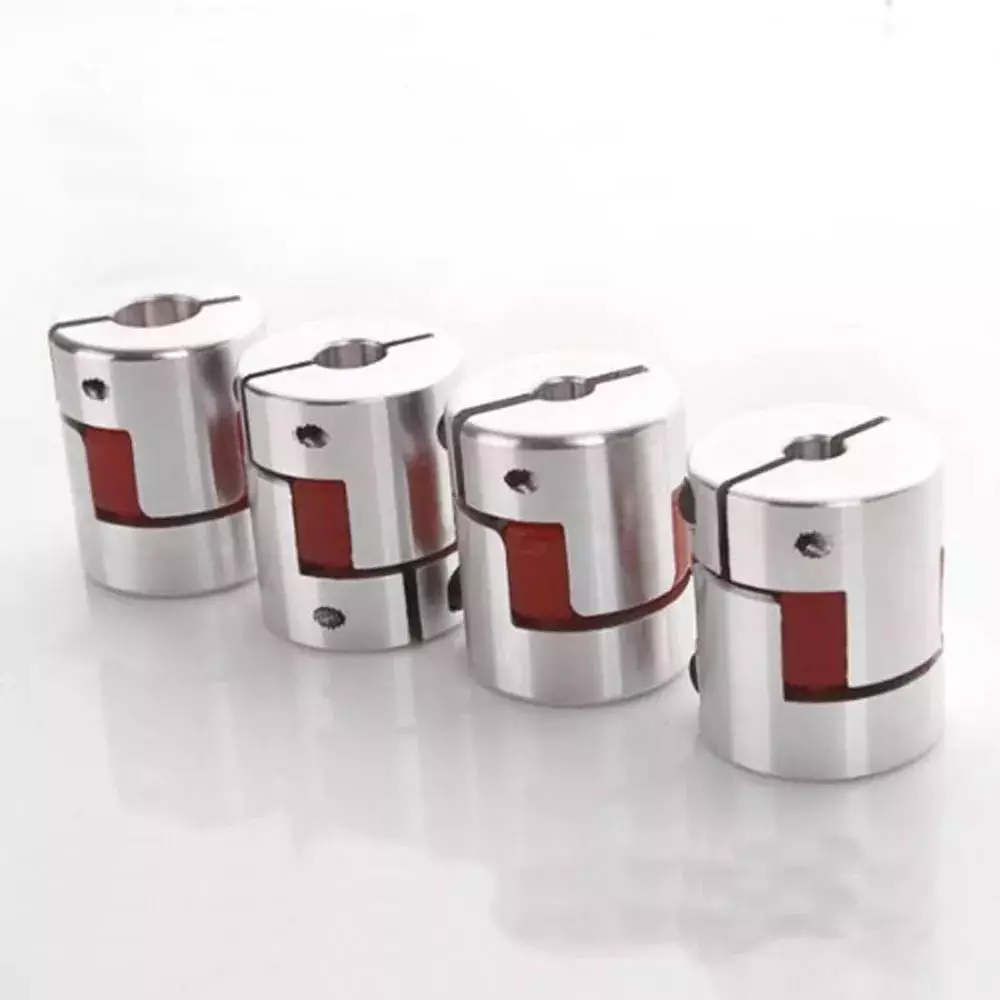
Electrical
Electrical coupling is the process in which a single electrical signal is transferred from a nerve cell to another. It occurs when electrical signals from two nerve cells interact with each other in a way similar to haptic transmission. This type of coupling can occur on its own or in combination with electrotonic coupling in gap junctions.
Electrical coupling is often associated with oscillatory behavior of neurons. The mechanism of electrical coupling is complex and is studied mathematically to understand its effect on oscillatory neuron networks. For example, electrical coupling can increase or decrease the frequency of an oscillator, depending on the state of the neuron coupled to it.
The site of coupling is usually the junction of opposing cell membranes. The cellular resistance and the coupling resistance are measured in voltage-clamp experiments. This type of coupling has a specific resistance of 100 O-cm. As a result, the coupling resistance varies with the frequency.
The authors of this study noted that electrotonic coupling depends on the ratio between the resistance of the nonjunctional membranes and the junctional membranes. The voltage attenuation technique helps reveal the differences in resistance and shunting through the intercellular medium. However, it is unclear whether electrotonic coupling is electrostatically mediated.
Electrical coupling has also been suggested to play a role in the intercellular transfer of information. There are many examples that support this theory. A message can be a distinct qualitative or quantitative signal, which results in a gradient in the cells. Although gap junctions are absent at many embryonic interaction sites, increasing evidence suggests a role in information transfer.
Flexible
When it comes to choosing the right Flexible Coupling, there are several factors that you should take into account. Among these factors is the backlash that can be caused by the movement of the coupling. The reason for this problem is the fact that couplings that do not have anti-fungal properties can be easily infected by mold. The best way to avoid this is to pay attention to the moisture content of the area where you are installing the coupling. By following these guidelines, you can ensure the best possible installation.
To ensure that you are getting the most out of your flexible couplings, you must consider their characteristics and how easy they are to install, assemble, and maintain. You should also look for elements that are field-replaceable. Another important factor is the coupling’s torsional rigidity. It should also be able to handle reactionary loads caused by misalignment.
Flexible couplings come in many different types. There are diaphragm and spiral couplings. These couplings allow for axial motion, angular misalignment, and parallel offset. They have one-piece construction and are made from stainless steel or aluminum. These couplings also offer high torsional stiffness, which is beneficial for applications requiring high torques.
Flexible couplings have several advantages over their rigid counterparts. They are designed to handle misalignments of up to seven degrees and 0.025 inches. These characteristics are important in motion control applications. Flexible couplings are also inexpensive, and they do not require maintenance.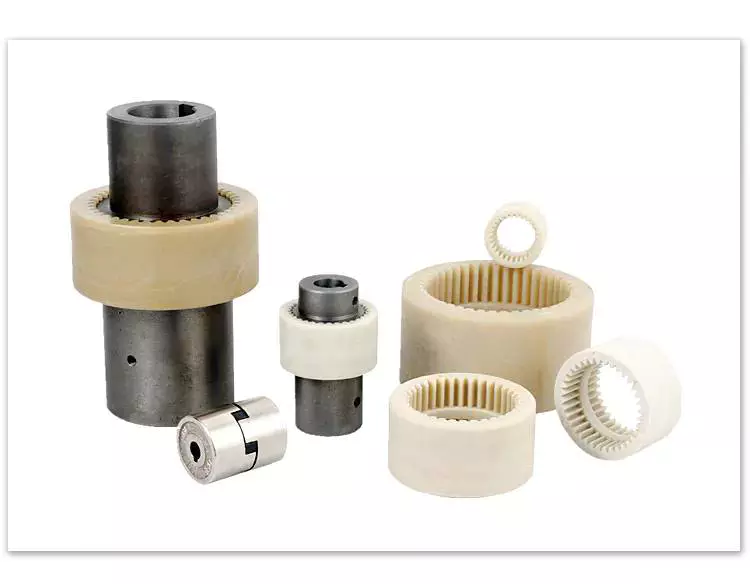
Beam
A beam coupling is a type of mechanical coupling, usually one solid piece, that connects two mechanical parts. Its performance is largely determined by the material used. Typical materials include stainless steel, aluminum, Delrin, and titanium. The beam coupling is rated for different speeds and torques. The coupling should be selected according to the application. In addition to the material, the application should also consider the speed and torque of the system.
There are two main types of beam couplings. The first is the helical beam coupling, which has a continuous multi spiral cut. This type of coupling offers a high degree of flexibility and compensates for a high degree of misalignment. The second type of beam coupling is the helical shaft coupling, which has a low torsional stiffness, which makes it ideal for small torque applications.
Another type of beam coupling is the multiple beam design, which combines two beams. It allows for more tolerance in manufacturing and installation and protects expensive components from excessive bearing loads. It also helps keep beams shorter than a single beam coupling. This type of coupling also enables a higher torque capacity and torsional stiffness.
Beam couplings can be manufactured with different materials, including stainless steel and aluminum. The “A” series is available in aluminum and stainless steel and is ideal for general-purpose and light-duty applications. It is also economical and durable. This type of coupling can also be used with low torque pumps or encoder/resolver systems.
Pin & bush
The Pin & bush coupling is a versatile, general-purpose coupling with high tensile bolts and rubber bushes. It can tolerate a wide range of operating temperatures and is suitable for use in oil and water-resistance applications. Its unique design enables it to be used in either direction. In addition, it requires no lubrication.
The pin bush coupling is a fail-safe coupling with a long service life and is used for high-torque applications. It provides torsional flexibility and dampens shocks, making it a flexible coupling that protects equipment and reduces maintenance costs. Its hubs are forged from graded cast iron for strength and durability. Besides, the coupling’s elastomer elements reduce vibration and impact loads. It also accommodates a misalignment of up to 0.5 degrees.
Pin & bush couplings are a popular choice for a variety of different applications. This coupling features a protective flange design that protects the coupling flange from wear and tear. The coupling nut is secured to one flange, while a rubber or leather bush sits between the other flange. Its unique design makes it ideal for use in applications where misalignment is a small factor. The rubber bushing also helps absorb vibration and shock.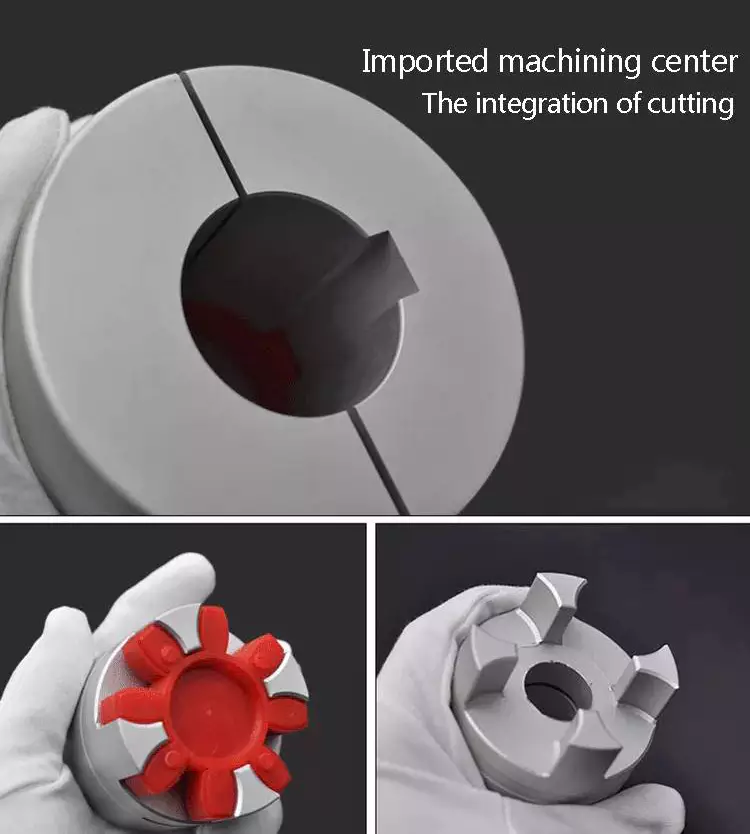
Mesh tooth
Mesh tooth couplings are used to transfer torque between two shafts and reduce backlash. However, mesh tooth couplings have some limitations. One disadvantage is the break-away friction factor in the axial direction. This problem is caused by the high contact force between the tooth and gear mesh. This can cause unpredictable forces on the shafts.
In this paper, we present a FEM model for mesh tooth coupling. We first validate the mesh density. To do so, we compute the bolt stress as a uniaxial tensile during the tightening process. We used different mesh sizes and mesh density to validate our results.
The mesh stiffness of gear pairs is influenced by lead crown relief and misalignment. For example, if one tooth is positioned too far in the axis, the mesh stiffness will be decreased. A misaligned gear pair will lose torque capacity. A mesh tooth coupling can be lubricated with oil.
An ideal mesh tooth coupling has no gaps between the teeth, which reduces the risk of uneven wear. The coupling’s quality exposed fasteners include SAE Grade 5 bolts. It also offers corrosion resistance. The couplings are compatible with industrial environments. They also eliminate the need for selective assembly in sleeve couplings.
editor by czh 2023-01-12
China UL6a Couplings Electrical Rigid Aluminum Conduit Coupling with Good quality
Product Description
Product Description
Aluminum rigid conduit combines lightweight & corrosion resistance to offer a complete line of simple-to-put in, lower-servicing conduit. Rigid Aluminum Conduit can be utilized to exchange Rigid Metal Conduit virtually anyplace over ground. This item is specially suited for programs and installations requiring mild excess weight, extremely corrosive resistant, and non-magnetic security. The series of HaiMei rigid aluminum conduit products are made in common trade dimensions by way of 6″ and incorporate conduits, elbows (90o and 45o), couplings, and nipples.
| Item Info | |
| Solution Title : | rigid aluminum conduit |
| Standard: | Complies with ANSI C80.5, Conforms to UL-6A, File No.:E31571 |
| Tade Measurement : | from 1/2″ to 6″ |
| Equally Ends: | threaded each finishes with 1 coupling and plastic cap |
| Size: | Regular 10FT length every, or customize as your need. |
| Use: | Utilised to supply a ongoing raceway for wire pulling |
| Content : | 6063 aluminum alloy |
| Bundle: | Bundle bundle |
| Shipping Time: | twenty to thirty days soon after we receive your advance payment or copy of L/C |
| Payment Expression: | L/C at sight or T/T in sophisticated |
Dimension and Bodyweight Chart
| Trade Size | Nominal Exterior Diameter | A | Approximate Excess weight For each 100 Parts |
||||
| US | Metric | In. | mm | Length | lb | kg | |
| In. | mm | ||||||
| one/2″ | 16 | one.08 | 27.4 | 1.sixty three | forty one.4 | six | 2.7 |
| three/4″ | 21 | one.33 | 33.eight | one.sixty four | 41.six | 9 | 4.1 |
| one” | 27 | one.fifty six | 39.6 | 1.ninety seven | 50 | thirteen | 5.nine |
| one-1/4″ | 35 | 1.ninety five | forty nine.6 | 2.03 | fifty one.5 | 19 | eight.6 |
| one-1/2′ | 41 | two.22 | fifty six.4 | two.06 | 52.3 | 23 | 10.4 |
| 2″ | 53 | two.seventy five | sixty nine.8 | 2.thirteen | fifty four.1 | 35 | 15.9 |
| two-1/2″ | 63 | three.28 | 83.3 | 2.19 | fifty five.6 | 68 | 30.eight |
| 3″ | 78 | 3.94 | 96.8 | three.31 | 84 | 91 | 41.three |
| 3-1/2″ | 91 | 4.44 | 112.eight | 3.forty one | 86.6 | 108 | forty nine |
| 4″ | 103 | five | 127 | 3.fifty two | 89.4 | 142 | sixty four.4 |
| five” | 129 | 6.three | 158 | three.95 | 100.3 | 242 | 109.8 |
| 6″ | 155 | 7.39 | 185.7 | 4.twenty five | 107.9 | 320 | 145.2 |
Proportions data is for reference only
Firm Profile
Haimei is a specialist developer, manufacturer, and exporter of electrical rigid aluminum conduits and fittings. All of Haimei merchandise comply with international specifications(accredited by UL and CUL programs with the file quantity E31571)and are greatly appreciated in a assortment of various marketplaces during the planet, which includes China, The us, Canada, Saudi Arabia, and Egypt. Haimei is found in Xihu (West Lake) Dis. Industrial Park, HangZhou city, with convenient obtain to sea freight and highway transportation.
FAQ
Q1. What is actually your conditions of packing?
A: Usually, we pack conduits by the bundle. For fittings, we pack by the carton.
Q2. What is your conditions of payment?
A: In the typical problem, we prefer to T/T thirty% as deposit, and balance by copy of B/L. We will display you the photographs of the goods and deals and loading images. Of program, It really is negotiable.
Q3. What’s your terms of delivery?
A: EXW, FOB, CFR, CIF, and so forth.
This autumn. How about your supply time?
A: We have materials or semi-products in inventory, the demo buy or urgent needs can be shipped inside 7 times right after getting your advance payment. Container orders are usually sent in 30 times.
Q5. Can you produce according to the samples?
A: Yes, we can produce according to your samples or specialized drawings.
Q6. What is your sample plan?
A: Samples are free and freight is paid out by the buyer.
|
US $0.3-12 / Piece | |
50 Pieces (Min. Order) |
###
| Color: | Grey |
|---|---|
| IP Rating: | N.M. |
| Surface Treatment: | Anodize or Normal |
| Application: | Wiring Routing and Protection |
| Material: | Aluminum |
| Certification: | cUL |
###
| Samples: |
US$ 1/Piece
1 Piece(Min.Order) |
|---|
###
| Customization: |
Available
|
|---|
###
| Product Information | |
| Product Name : | rigid aluminum conduit ; |
| Standard: | Complies with ANSI C80.5, Conforms to UL-6A, File No.:E310429; |
| Tade Size : | from 1/2" to 6"; |
| Both Ends: | threaded both ends with one coupling and plastic cap; |
| Length: | Standard 10FT length each, or customize as your need. |
| Usage: | Used to provide a continuous raceway for wire pulling |
| Material : | 6063 aluminum alloy; |
| Package: | Bundle package; |
| Delivery Time: | 20 to 30 days after we receive your advance payment or copy of L/C; |
| Payment Term: | L/C at sight or T/T in advanced; |
###
| Trade Size | Nominal Outside Diameter | A | Approximate Weight Per 100 Pieces |
||||
| US | Metric | In. | mm | Length | lb | kg | |
| In. | mm | ||||||
| 1/2" | 16 | 1.08 | 27.4 | 1.63 | 41.4 | 6 | 2.7 |
| 3/4" | 21 | 1.33 | 33.8 | 1.64 | 41.6 | 9 | 4.1 |
| 1" | 27 | 1.56 | 39.6 | 1.97 | 50 | 13 | 5.9 |
| 1-1/4" | 35 | 1.95 | 49.6 | 2.03 | 51.5 | 19 | 8.6 |
| 1-1/2′ | 41 | 2.22 | 56.4 | 2.06 | 52.3 | 23 | 10.4 |
| 2" | 53 | 2.75 | 69.8 | 2.13 | 54.1 | 35 | 15.9 |
| 2-1/2" | 63 | 3.28 | 83.3 | 2.19 | 55.6 | 68 | 30.8 |
| 3" | 78 | 3.94 | 96.8 | 3.31 | 84 | 91 | 41.3 |
| 3-1/2" | 91 | 4.44 | 112.8 | 3.41 | 86.6 | 108 | 49 |
| 4" | 103 | 5 | 127 | 3.52 | 89.4 | 142 | 64.4 |
| 5" | 129 | 6.3 | 158 | 3.95 | 100.3 | 242 | 109.8 |
| 6" | 155 | 7.39 | 185.7 | 4.25 | 107.9 | 320 | 145.2 |
|
US $0.3-12 / Piece | |
50 Pieces (Min. Order) |
###
| Color: | Grey |
|---|---|
| IP Rating: | N.M. |
| Surface Treatment: | Anodize or Normal |
| Application: | Wiring Routing and Protection |
| Material: | Aluminum |
| Certification: | cUL |
###
| Samples: |
US$ 1/Piece
1 Piece(Min.Order) |
|---|
###
| Customization: |
Available
|
|---|
###
| Product Information | |
| Product Name : | rigid aluminum conduit ; |
| Standard: | Complies with ANSI C80.5, Conforms to UL-6A, File No.:E310429; |
| Tade Size : | from 1/2" to 6"; |
| Both Ends: | threaded both ends with one coupling and plastic cap; |
| Length: | Standard 10FT length each, or customize as your need. |
| Usage: | Used to provide a continuous raceway for wire pulling |
| Material : | 6063 aluminum alloy; |
| Package: | Bundle package; |
| Delivery Time: | 20 to 30 days after we receive your advance payment or copy of L/C; |
| Payment Term: | L/C at sight or T/T in advanced; |
###
| Trade Size | Nominal Outside Diameter | A | Approximate Weight Per 100 Pieces |
||||
| US | Metric | In. | mm | Length | lb | kg | |
| In. | mm | ||||||
| 1/2" | 16 | 1.08 | 27.4 | 1.63 | 41.4 | 6 | 2.7 |
| 3/4" | 21 | 1.33 | 33.8 | 1.64 | 41.6 | 9 | 4.1 |
| 1" | 27 | 1.56 | 39.6 | 1.97 | 50 | 13 | 5.9 |
| 1-1/4" | 35 | 1.95 | 49.6 | 2.03 | 51.5 | 19 | 8.6 |
| 1-1/2′ | 41 | 2.22 | 56.4 | 2.06 | 52.3 | 23 | 10.4 |
| 2" | 53 | 2.75 | 69.8 | 2.13 | 54.1 | 35 | 15.9 |
| 2-1/2" | 63 | 3.28 | 83.3 | 2.19 | 55.6 | 68 | 30.8 |
| 3" | 78 | 3.94 | 96.8 | 3.31 | 84 | 91 | 41.3 |
| 3-1/2" | 91 | 4.44 | 112.8 | 3.41 | 86.6 | 108 | 49 |
| 4" | 103 | 5 | 127 | 3.52 | 89.4 | 142 | 64.4 |
| 5" | 129 | 6.3 | 158 | 3.95 | 100.3 | 242 | 109.8 |
| 6" | 155 | 7.39 | 185.7 | 4.25 | 107.9 | 320 | 145.2 |
Types of Couplings
A coupling is a device that connects two shafts together. It transmits power from one end to another and is used for joining rotating equipment. A coupling is flexible and can accommodate a certain amount of end movement and misalignment. This allows for more flexibility in applications. Various types of couplings are available, and each one serves a specific purpose.
Shaft couplings
There are many types of shaft couplings, and they are used in a wide range of applications. The type you need depends on the torque, speed, and horsepower you need, as well as the size of the shaft and its spatial limitations. You may also need to consider whether the coupling will accommodate misalignment.
Some shaft couplings are flexible, while others are rigid. Flexible couplings can accommodate up to two degrees of misalignment. They are available in different materials, including aluminum, stainless steel, and titanium. They can also be known by different names, depending on the industry. Some couplings can also be used in a single or multiple-shaft application.
The first type of shaft coupling is a rigid coupling, which consists of two parts that fit together tightly around the shafts. These couplings are designed to have more flexibility than sleeved models, and they can be used on fixed shafts as well. The flanged coupling, on the other hand, is designed for heavy loads and is made of two perpendicular flanges. The flanges are large enough to accommodate screws and are generally used with heavy-duty applications.
CZPT shaft couplings are a great choice if you’re looking for a shaft coupling that delivers high performance, durability, and low cost. These metal disc-style couplings provide low backlash and high torsional stiffness. Their high misalignment tolerance reduces reaction loads on connected components, which makes them ideal for high-speed precision applications. Available in single and double-disc models, they have torque ratings of up to 2,200 in-lbs. (250N) and are available in fourteen sizes.
When using shaft couplings, it is important to choose the right type for your application. Backlash can cause a shaft coupling to break or become unusable. In order to prevent this from happening, you should replace worn or loose parts, and ensure that the hub and key are evenly positioned with the shaft. If you’re using a shaft coupling in a motion-control system, it is important to keep the torque level consistent.
Flexible couplings
Flexible couplings are a type of coupling used to connect two shafts. They are made of rubber or plastic and allow for axial movement of the connected equipment. They do not require lubrication and are resistant to fatigue failure. Flexible couplings are useful for a number of applications. A common type of flexible coupling is the gear coupling, which has gear teeth inside its sleeve. Another type of flexible coupling is the metallic membrane coupling. A metallic membrane coupling is flexible due to flexing metallic discs.
One major disadvantage of flexible couplings is their inability to fit certain types of pipe. This is because most couplings need to be stretched to fit the pipe. This problem is often the result of a change in pipe technology. Traditionally, drain and soil pipe is made of ductile iron or cast iron. Today, most pipes are made of PVC, which has a larger outside diameter than either cast or ductile iron. Because of these changes in pipe technology, many coupling manufacturers have not updated their mold sizing.
Flexible couplings can be either metallic, elastomeric, or a combination of the three. While there are some common characteristics of each type, you should always consider the tradeoffs of each type before choosing one. Generally, the most important considerations when selecting a flexible coupling are torque, misalignment, and ease of assembly and maintenance.
Flexible couplings are used in a wide range of industries. They are useful for connecting two pipes to ensure torque transfer. Although the types available are different, these are the most adaptable couplings in the market. They can withstand movement, vibration, and bending without causing any damage to the piping.
Clutch couplings
A clutch coupling connects two rotating shafts by friction. The clutch engages power when the engine is running, disengaging power when the brake is applied. Clutch couplings are used in applications where the speed of a machine is variable or where continuous service is required. The clutch can transmit power, torque, and axial force.
Clutch couplings come in a variety of styles and configurations. Some couplings are flexible, while others are rigid. Flexible couplings are available in a variety of materials, including stainless steel and aluminum. Some couplings also have a non-backlash design, which helps compensate for misalignment.
Clutch couplings may be synchronous or asynchronous. Synchronous couplings engage and disengage automatically when the driven machine exceeds its output speed. These couplings are synchronized by a synchronizing mechanism. When the output speed is exceeded, the synchronizing mechanism initiates the engagement process. The synchronizing mechanism does not engage or disengage when the output speed drops.
High speed clutches are available from a variety of manufacturers. Some manufacturers offer OEM assembly, repair services, and third-party logistics. These manufacturers serve the automotive, chemical, food, and wood industries, as well as the oilfield and material handling industries. Custom clutches can be manufactured for specific applications and can be fitted with additional features, such as precision machined teeth or keyway slots and grooves.
Couplings are available in PCE, C/T, and metric bores. Typically, the size of the input and output shafts will determine which type of coupling is needed. In addition, clutches may be configured for intermediate or high speeds, depending on the required torque.
Clamped couplings
Clamped couplings are commonly used in a variety of industries. They can be used in medical equipment, dental equipment, military equipment, laboratory equipment, and in precision industrial controls. They are available in a wide variety of sizes and keyways. This type of coupling offers a number of advantages, including ease of installation and quick and easy replacement.
A clamp coupling connects two parts by compressing them together. The clamping elements can be formed in a variety of ways, but they all have a gap between their surfaces. This friction squeezes the two parts together, much like pulling two rubber gloves apart. This type of coupling is also useful for joining two hoses or piping units.
Clamped couplings are designed with a single or double clamping shaft. The clamping parts are mounted in two halves and are held together by eight socket head cap screws. They offer high torque capacity and require little installation space. Their high rigidity ensures good positioning accuracy, making them ideal for dynamic drives. In addition, they are wear-free and offer simple radial assembly.
The invention relates to a method and system for clamping pipes to a tank vessel. This invention also relates to a method of loading and unloading tank vessels. The method can be used in oil production platforms and other platforms. A single point mooring method is also used in oil production platforms.
Clamped couplings can also be flexible. They can join two shafts together while allowing a small amount of end movement and misalignment. These couplings may also be used in the assembly of motors and gearboxes.
CZPT’s coupling
CZPT couplings are designed to be flexible, allowing them to accommodate misaligned shafts and transmit torque in either direction. They are made with three discs, two hubs, and a center that are arranged with grooves and fins. These features allow for two degrees of freedom during assembly, and can accommodate misalignment of up to 5% of the shaft diameter.
CZPT couplings have many uses. For example, they can be used to join two parallel coaxial rotating shafts. Their ability to transmit torque at the same rotation mechanism and speed makes them ideal for applications where electrical currents may be a problem. Because the couplings are not made of metal, they are electrically isolated. Designers should test their couplings during the prototype stage to ensure they are working properly.
The CZPT coupling consists of two hubs with one slot on each. An intermediate disk is located between the two hubs. The discs are used to reduce or prevent wear on other machine parts. CZPT couplings are inexpensive and easy to replace. They also have electrical insulation, which makes them easy to repair or replace.
CZPT couplings are a popular choice for stepper motor-driven positioning stages. The plastic center disc offers electrical isolation and absorbs shocks from frequent start/stops. These couplings are available in through-hub and blind-bore styles and can be installed in many applications.
CZPT couplings also allow for small degrees of shaft misalignment. This allows them to function in systems where shaft access is limited. They are easily removed without tools.
editor by czh 2023-01-05