how a great deal to replace motor mounts

The charge of changing motor mounts can range relying on a number of things, together with the make and model of the automobile, the number of motor mounts that want to be changed, the excellent of the replacement elements, and China motor manufacturer the labor premiums billed by the repair shop or mechanic.

On common, China motor manufacturer the charge of changing a single China motor manufacturer mount can array from $one hundred fifty to $400, including components and labor. Nevertheless, if numerous motor mounts need to have to be replaced, the complete cost can increase accordingly.

It really is worth noting that the value of the motor mounts themselves can vary based on regardless of whether you choose unique machines company (OEM) areas or aftermarket areas. OEM pieces are normally extra high-priced but may well supply better good quality and improved fitment. Aftermarket components can be extra affordable, but the high quality might range.

To get an accurate estimate for your certain motor vehicle and place, it is advisable to contact regional mend outlets or mechanics and ask for a quotation. They can present you with a additional specific price primarily based on your vehicle’s necessities and the certain motor mounts that have to have replacement.

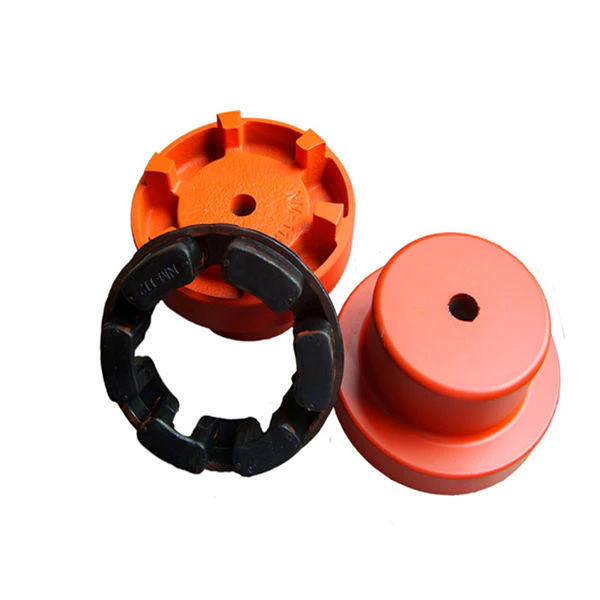
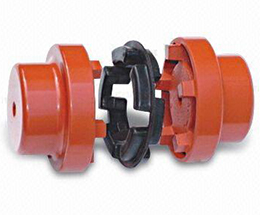
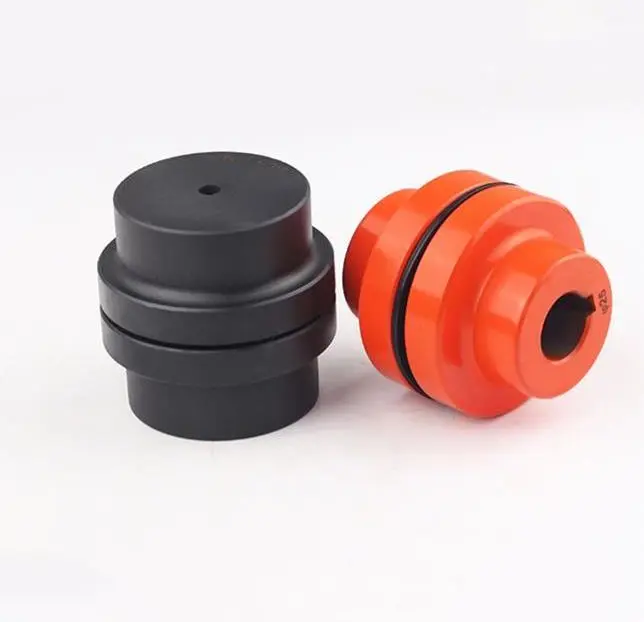
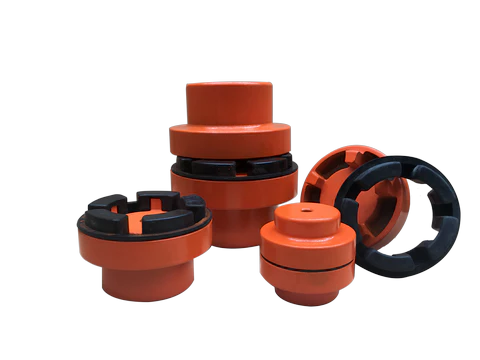
China Best Sales Stainless Steel Coupling Gear Rigid Roller Chain Fluid Tyre Grid Jaw Spider HRC Nm Motor Flange Gear Pump Rubber Spline Shaft Flexible Universal Joint Coupling nm couplimg

Product Description

Stainless Steel Coupling Gear Rigid Roller Chain Fluid Tyre Grid Jaw Spider HRC Nm Motor Flange Gear Pump Rubber Spline Shaft Flexible Universal Joint Coupling

Product Description

Main products
Coupling refers to a device that connects 2 shafts or shafts and rotating parts, rotates together during the transmission of motion and power, and does not disengage under normal conditions. Sometimes it is also used as a safety device to prevent the connected parts from bearing excessive load, which plays the role of overload protection.

Couplings can be divided into rigid couplings and flexible couplings.
Rigid couplings do not have buffering property and the ability to compensate the relative displacement of 2 axes. It is required that the 2 axes be strictly aligned. However, such couplings are simple in structure, low in manufacturing cost, convenient in assembly and disassembly, and maintenance, which can ensure that the 2 axes are relatively neutral, have large transmission torque, and are widely used. Commonly used are flange coupling, sleeve coupling and jacket coupling.
Flexible coupling can also be divided into flexible coupling without elastic element and flexible coupling with elastic element. The former type only has the ability to compensate the relative displacement of 2 axes, but cannot cushion and reduce vibration. Common types include slider coupling, gear coupling, universal coupling and chain coupling; The latter type contains elastic elements. In addition to the ability to compensate the relative displacement of 2 axes, it also has the functions of buffering and vibration reduction. However, due to the strength of elastic elements, the transmitted torque is generally inferior to that of flexible couplings without elastic elements. Common types include elastic sleeve pin couplings, elastic pin couplings, quincunx couplings, tire type couplings, serpentine spring couplings, spring couplings, etc

Coupling performance

1) Mobility. The movability of the coupling refers to the ability to compensate the relative displacement of 2 rotating components. Factors such as manufacturing and installation errors between connected components, temperature changes during operation and deformation under load all put CHINAMFG requirements for mobility. The movable performance compensates or alleviates the additional load between shafts, bearings, couplings and other components caused by the relative displacement between rotating components.
(2) Buffering. For the occasions where the load is often started or the working load changes, the coupling shall be equipped with elastic elements that play the role of cushioning and vibration reduction to protect the prime mover and the working machine from little or no damage.
(3) Safe, reliable, with sufficient strength and service life.
(4) Simple structure, easy to assemble, disassemble and maintain.

How to select the appropriate coupling type

The following items should be considered when selecting the coupling type.
1. The size and nature of the required transmission torque, the requirements for buffering and damping functions, and whether resonance may occur.
2. The relative displacement of the axes of the 2 shafts is caused by manufacturing and assembly errors, shaft load and thermal expansion deformation, and relative movement between components.
3. Permissible overall dimensions and installation methods, and necessary operating space for assembly, adjustment and maintenance. For large couplings, they should be able to be disassembled without axial movement of the shaft.
In addition, the working environment, service life, lubrication, sealing, economy and other conditions should also be considered, and a suitable coupling type should be selected by referring to the characteristics of various couplings.

If you cannot determine the type, you can contact our professional engineer

Related products


Company Profile


Our Equipments

Main production equipment:
Large lathe, surface grinder, milling machine, gear shaper, spline milling machine, horizontal broaching machine, gear hobbing machine, shaper, slotting machine, bench drilling machine, radial drilling machine, boring machine, band sawing machine, horizontal lathe, end milling machine, crankshaft grinder, CNC milling machine, casting equipment, etc.
Inspection equipment:
Dynamic balance tester, high-speed intelligent carbon and sulfur analyzer, Blochon optical hardness tester, Leeb hardness tester, magnetic yoke flaw detector, special detection, modular fixture (self-made), etc.

Machining equipments
Heat equipment


Our Factory
Application – Photos from our partner customers

Company Profile
Our leading products are mechanical transmission basic parts – couplings, mainly including universal couplings, drum gear couplings, elastic couplings and other 3 categories of more than 30 series of varieties. It is widely used in metallurgical steel rolling, wind power, hydropower, mining, engineering machinery, petrochemical, lifting, paper making, rubber, rail transit, shipbuilding and marine engineering and other industries.
Our factory takes the basic parts of national standards as the benchmark, has more than 40 years of coupling production experience, takes “scientific management, pioneering and innovation, ensuring quality and customer satisfaction” as the quality policy, and aims to continuously provide users with satisfactory products and services. The production is guided by reasonable process, and the ISO9001:2015 quality management system standard is strictly implemented. We adhere to the principle of continuous improvement and innovation of coupling products. In recent years, it has successfully developed 10 national patent products such as SWF cross shaft universal coupling, among which the double cross shaft universal joint has won the national invention patent, SWF cross shaft universal coupling has won the new product award of China’s general mechanical parts coupling industry and the ZHangZhoug Province new product science and technology project.
Our factory has strong technical force, excellent process equipment, complete professional production equipment, perfect detection means, excellent after-sales service, various products and complete specifications. At the same time, we can provide the design and manufacturing of special non-standard products according to the needs of users. Our products sell well at home and abroad, and are trusted by the majority of users. We sincerely welcome friends from all walks of life at home and abroad to visit and negotiate for common development.p


Standard Or Nonstandard: Standard
Shaft Hole: 19-32
Torque: >80N.M
Bore Diameter: 19mm
Speed: 4000r/M
Structure: Flexible
Samples:
US$ 50/Piece
1 Piece(Min.Order)

|
Request Sample

China Best Sales Stainless Steel Coupling Gear Rigid Roller Chain Fluid Tyre Grid Jaw Spider HRC Nm Motor Flange Gear Pump Rubber Spline Shaft Flexible Universal Joint Coupling  nm couplimg

nm coupling

What are the maintenance requirements for flexible couplings?

Maintenance of flexible couplings is essential to ensure their reliable and efficient performance over their service life. Proper maintenance helps prevent premature wear, reduces the risk of unexpected failures, and extends the lifespan of the couplings. Here are some key maintenance requirements for flexible couplings:

  • Regular Inspection: Perform regular visual inspections of the flexible couplings to check for signs of wear, damage, or misalignment. Look for cracks, tears, or any other visible issues in the coupling components.
  • Lubrication: Some flexible couplings, especially those with moving parts or sliding surfaces, may require periodic lubrication. Follow the manufacturer’s recommendations regarding the type and frequency of lubrication to ensure smooth operation.
  • Alignment Checks: Misalignment is a common cause of coupling failure. Regularly check the alignment of the connected shafts and adjust as necessary. Proper alignment reduces stress on the coupling and improves power transmission efficiency.
  • Torque Monitoring: Monitoring the torque transmitted through the coupling can help detect any abnormal or excessive loads. If the coupling is subjected to loads beyond its rated capacity, it may lead to premature failure.
  • Environmental Protection: If the couplings are exposed to harsh environmental conditions, take measures to protect them from dust, dirt, moisture, and corrosive substances. Consider using protective covers or seals to shield the couplings from potential contaminants.
  • Temperature Considerations: Ensure that the operating temperature of the flexible coupling is within its designed range. Excessive heat can accelerate wear, while extremely low temperatures may affect the flexibility of certain coupling materials.
  • Replace Worn or Damaged Parts: If any components of the flexible coupling show signs of wear or damage, replace them promptly with genuine replacement parts from the manufacturer.
  • Manufacturer’s Guidelines: Follow the maintenance guidelines provided by the coupling manufacturer. They often include specific maintenance intervals and procedures tailored to the coupling’s design and materials.
  • Training and Expertise: Ensure that maintenance personnel have the necessary training and expertise to inspect and maintain the flexible couplings properly. Improper maintenance practices can lead to further issues and compromise the coupling’s performance.

By adhering to these maintenance requirements, you can maximize the service life of the flexible couplings and minimize the risk of unexpected downtime or costly repairs. Regular maintenance helps maintain the efficiency and reliability of the coupling in various industrial, automotive, and machinery applications.
nm coupling

What role does a flexible coupling play in reducing downtime and maintenance costs?

A flexible coupling plays a significant role in reducing downtime and maintenance costs in industrial machinery and rotating equipment. Here are the key ways in which flexible couplings contribute to these benefits:

  • Misalignment Compensation: One of the primary functions of a flexible coupling is to accommodate misalignment between two connected shafts. Misalignment can occur due to various factors such as thermal expansion, foundation settling, or manufacturing tolerances. By allowing for misalignment, flexible couplings reduce the transmission of harmful forces and stresses to connected components, minimizing wear and preventing premature failures that could lead to costly downtime and repairs.
  • Vibration Damping: Flexible couplings have inherent damping properties due to the elastomeric or flexible elements they incorporate. These elements absorb and dissipate vibration and shock loads that may arise from the operation of rotating machinery. By dampening vibrations, flexible couplings protect the connected equipment from excessive wear and fatigue, extending their service life and reducing the need for frequent maintenance or replacement.
  • Shock Load Absorption: In applications where sudden loads or shocks are common, such as in heavy machinery or high-speed equipment, flexible couplings act as shock absorbers. They can absorb and dissipate the impact energy, preventing damage to the machinery and minimizing downtime caused by unexpected failures or breakdowns.
  • Easy Installation and Alignment: Flexible couplings are designed for ease of installation and alignment. Unlike rigid couplings that require precise shaft alignment, flexible couplings can tolerate some degree of misalignment during installation. This feature simplifies the setup process, reduces installation time, and lowers the risk of misalignment-related issues, ultimately minimizing downtime during initial installation or replacement of couplings.
  • Reduced Maintenance Frequency: The ability of flexible couplings to handle misalignment and dampen vibrations results in reduced wear on bearings, seals, and other connected components. Consequently, the frequency of maintenance intervals can be extended, reducing the need for frequent inspections and component replacements. This directly translates to lower maintenance costs and less downtime for maintenance tasks.
  • Equipment Protection: By reducing the transmission of shock loads and vibrations, flexible couplings act as protective barriers for connected equipment. They help prevent catastrophic failures and subsequent damage to expensive machinery, avoiding unplanned shutdowns and costly repairs.

Overall, flexible couplings are critical components that improve the reliability and longevity of rotating equipment. Their ability to handle misalignment, dampen vibrations, and protect against shock loads contributes to reduced downtime, lower maintenance costs, and increased productivity in industrial applications.
nm coupling

What are the advantages of using flexible couplings in mechanical systems?

Flexible couplings offer several advantages in mechanical systems, making them essential components in various applications. Here are the key advantages of using flexible couplings:

  • Misalignment Compensation: One of the primary advantages of flexible couplings is their ability to compensate for shaft misalignment. In mechanical systems, misalignment can occur due to various factors such as installation errors, thermal expansion, or shaft deflection. Flexible couplings can accommodate angular, parallel, and axial misalignment, ensuring smooth power transmission and reducing stress on the connected equipment and shafts.
  • Vibration Damping: Flexible couplings act as damping elements, absorbing and dissipating vibrations and shocks generated during operation. This feature helps to reduce noise, protect the equipment from excessive wear, and enhance overall system reliability and performance.
  • Torsional Flexibility: Flexible couplings provide torsional flexibility, allowing them to handle slight angular and axial deflections. This capability protects the equipment from sudden torque fluctuations, shock loads, and torque spikes, ensuring smoother operation and preventing damage to the machinery.
  • Overload Protection: In case of sudden overloads or torque spikes, flexible couplings can absorb and distribute the excess torque, protecting the connected equipment and drivetrain from damage. This overload protection feature prevents unexpected failures and reduces downtime in critical applications.
  • Reduce Wear and Maintenance: By compensating for misalignment and damping vibrations, flexible couplings help reduce wear on the connected equipment, bearings, and seals. This results in extended component life and reduced maintenance requirements, leading to cost savings and improved system reliability.
  • Compensation for Thermal Expansion: In systems exposed to temperature variations, flexible couplings can compensate for thermal expansion and contraction, maintaining proper alignment and preventing binding or excessive stress on the equipment during temperature changes.
  • Electric Isolation: Some types of flexible couplings, such as disc couplings, offer electrical isolation between shafts. This feature is beneficial in applications where galvanic corrosion or electrical interference between connected components needs to be minimized.
  • Space and Weight Savings: Flexible couplings often have compact designs and low inertia, which is advantageous in applications with space constraints and where minimizing weight is crucial for performance and efficiency.
  • Cost-Effectiveness: Flexible couplings are generally cost-effective solutions for power transmission and motion control, especially when compared to more complex and expensive coupling types. Their relatively simple design and ease of installation contribute to cost savings.

In summary, flexible couplings play a vital role in mechanical systems by providing misalignment compensation, vibration damping, overload protection, and torsional flexibility. These advantages lead to improved system performance, reduced wear and maintenance, and enhanced equipment reliability, making flexible couplings a preferred choice in various industrial, automotive, marine, and aerospace applications.


China Best Sales Stainless Steel Coupling Gear Rigid Roller Chain Fluid Tyre Grid Jaw Spider HRC Nm Motor Flange Gear Pump Rubber Spline Shaft Flexible Universal Joint Coupling  nm couplimgChina Best Sales Stainless Steel Coupling Gear Rigid Roller Chain Fluid Tyre Grid Jaw Spider HRC Nm Motor Flange Gear Pump Rubber Spline Shaft Flexible Universal Joint Coupling  nm couplimg
editor by CX 2023-10-19

China Custom OEM Service HRC Gr Nm Kc Shaft Coupling nm couplimg

Product Description

OEM Service HRC GR NM KC Shaft Coupling

KC Chain Couplings:

Product Name KC roller chain coupling
Material C45 steel
Part Number KCL3012-KC24026
Surface Treatment Hardening teeth
Bore size  Available
Size Standard & Custom

Main Products:

1. Timing Belt Pulley (Synchronous Pulley), Timing Bar, Clamping Plate; 

2. Forging, Casting, Stampling Part; 

3. V Belt Pulley and Taper Lock Bush; Sprocket, Idler and Plate Wheel;Spur Gear, Bevel Gear, Rack;  

4. Shaft Locking Device: could be alternative for Ringfeder, Sati, Chiaravalli, Tollok, etc.; 

5. Shaft Coupling: including Miniature couplings, Curved tooth coupling, Chain coupling, HRC coupling, 
    Normex coupling, Type coupling, GE Coupling, torque limiter, Universal Joint;  

6. Shaft Collars: including Setscrew Type, Single Split and Double Splits; 

7. Gear & Rack: Spur gear/rack, bevel gear, helical gear/rack.

8. Other customized Machining Parts according to drawings (OEM) Forging, Casting, Stamping Parts.


Packaging & Shipping:

All the products can be packed in cartons,or,you can choose the pallet packing.

MADE IN CHINA can be pressed on wooden cases.Land,air,sea transportation are available.UPS,DHL,TNT,

FedEx and EMS are all supported.

Company Introduction:

Factory View:

Exhibition:

Certification:


FAQ:

1. MOQ

 A: Generally, 1 pc for standard parts; contact for nonstandard parts.

2. Delivery Time

 A: In stock: within 5 working days. Out of stock: depends on your order quantity.

3. How To Select

 A: part number or drawing, catalogue. If no, you can send us your sample, so we can make the drawing and sample accordingly.

4: What is the Warranty for your products?

 A:Normally our warranty is 1 year.


Contacts:


Standard Or Nonstandard: Standard
Shaft Hole: 19-32
Torque: 10-30N.M
Bore Diameter: 19mm
Speed: 4000r/M
Structure: Flexible
Samples:
US$ 0.1/Set
1 Set(Min.Order)

|
Request Sample

Customization:
Available

|

Customized Request

China Custom OEM Service HRC Gr Nm Kc Shaft Coupling  nm couplimg

nm coupling

Can flexible couplings be used in both horizontal and vertical shaft arrangements?

Yes, flexible couplings can be used in both horizontal and vertical shaft arrangements. The design of flexible couplings allows them to accommodate misalignment and compensate for angular, parallel, and axial displacements between the shafts, making them suitable for various shaft orientations.

Horizontal Shaft Arrangements:

In horizontal shaft arrangements, where the shafts are parallel to the ground or horizontal plane, flexible couplings are commonly used to connect two rotating shafts. These couplings help transmit torque from one shaft to another while accommodating any misalignment that may occur during operation. Horizontal shaft arrangements are common in applications such as pumps, compressors, conveyors, and industrial machinery.

Vertical Shaft Arrangements:

In vertical shaft arrangements, where the shafts are perpendicular to the ground or vertical plane, flexible couplings are also applicable. Vertical shafts often require couplings that can handle the additional weight and forces resulting from gravity. Flexible couplings designed for vertical applications can support the weight of the rotating equipment while allowing for some axial movement to accommodate thermal expansion or other displacements. Vertical shaft arrangements are commonly found in applications such as pumps, gearboxes, turbines, and some marine propulsion systems.

Considerations for Vertical Shaft Arrangements:

When using flexible couplings in vertical shaft arrangements, there are a few additional considerations to keep in mind:

  • Thrust Load: Vertical shafts can generate thrust loads, especially in upward or downward direction. The flexible coupling should be selected based on its capacity to handle both radial and axial loads to accommodate these forces.
  • Lubrication: Some vertical couplings may require additional lubrication to ensure smooth operation and reduce wear, particularly if they are exposed to high axial loads or extended vertical shafts.
  • Support and Bearing: Proper support and bearing arrangements for the vertical shaft are essential to prevent excessive shaft deflection and ensure the flexible coupling functions correctly.

Overall, flexible couplings are versatile and adaptable to various shaft orientations, providing efficient power transmission and misalignment compensation. Whether in horizontal or vertical arrangements, using the appropriate flexible coupling design and considering the specific application requirements will help ensure reliable and efficient operation.

nm coupling

What role does a flexible coupling play in reducing downtime and maintenance costs?

A flexible coupling plays a significant role in reducing downtime and maintenance costs in industrial machinery and rotating equipment. Here are the key ways in which flexible couplings contribute to these benefits:

  • Misalignment Compensation: One of the primary functions of a flexible coupling is to accommodate misalignment between two connected shafts. Misalignment can occur due to various factors such as thermal expansion, foundation settling, or manufacturing tolerances. By allowing for misalignment, flexible couplings reduce the transmission of harmful forces and stresses to connected components, minimizing wear and preventing premature failures that could lead to costly downtime and repairs.
  • Vibration Damping: Flexible couplings have inherent damping properties due to the elastomeric or flexible elements they incorporate. These elements absorb and dissipate vibration and shock loads that may arise from the operation of rotating machinery. By dampening vibrations, flexible couplings protect the connected equipment from excessive wear and fatigue, extending their service life and reducing the need for frequent maintenance or replacement.
  • Shock Load Absorption: In applications where sudden loads or shocks are common, such as in heavy machinery or high-speed equipment, flexible couplings act as shock absorbers. They can absorb and dissipate the impact energy, preventing damage to the machinery and minimizing downtime caused by unexpected failures or breakdowns.
  • Easy Installation and Alignment: Flexible couplings are designed for ease of installation and alignment. Unlike rigid couplings that require precise shaft alignment, flexible couplings can tolerate some degree of misalignment during installation. This feature simplifies the setup process, reduces installation time, and lowers the risk of misalignment-related issues, ultimately minimizing downtime during initial installation or replacement of couplings.
  • Reduced Maintenance Frequency: The ability of flexible couplings to handle misalignment and dampen vibrations results in reduced wear on bearings, seals, and other connected components. Consequently, the frequency of maintenance intervals can be extended, reducing the need for frequent inspections and component replacements. This directly translates to lower maintenance costs and less downtime for maintenance tasks.
  • Equipment Protection: By reducing the transmission of shock loads and vibrations, flexible couplings act as protective barriers for connected equipment. They help prevent catastrophic failures and subsequent damage to expensive machinery, avoiding unplanned shutdowns and costly repairs.

Overall, flexible couplings are critical components that improve the reliability and longevity of rotating equipment. Their ability to handle misalignment, dampen vibrations, and protect against shock loads contributes to reduced downtime, lower maintenance costs, and increased productivity in industrial applications.

nm coupling

Can flexible couplings handle misalignment between shafts?

Yes, flexible couplings are specifically designed to handle misalignment between shafts in rotating machinery and mechanical systems. Misalignment can occur due to various factors, including installation errors, thermal expansion, manufacturing tolerances, or shaft deflection during operation.

Flexible couplings offer the ability to compensate for different types of misalignment, including:

  • Angular Misalignment: When the shafts are not collinear and have an angular offset, flexible couplings can accommodate this misalignment by flexing or twisting, allowing the two shafts to remain connected while transmitting torque smoothly.
  • Parallel Misalignment: Parallel misalignment occurs when the two shafts are not perfectly aligned along their axes. Flexible couplings can adjust to this misalignment, ensuring that the shafts remain connected and capable of transmitting power efficiently.
  • Axial Misalignment: Axial misalignment, also known as end float or axial displacement, refers to the relative axial movement of the two shafts. Some flexible coupling designs can accommodate axial misalignment, allowing for slight axial movements without disengaging the coupling.

The ability of flexible couplings to handle misalignment is essential in preventing premature wear and failure of the connected equipment. By compensating for misalignment, flexible couplings reduce the stress on the shafts, bearings, and seals, extending the service life of these components and improving overall system reliability.

It is crucial to select the appropriate type of flexible coupling based on the specific misalignment requirements of the application. Different coupling designs offer varying degrees of misalignment compensation, and the choice depends on factors such as the magnitude and type of misalignment, the torque requirements, and the operating environment.

In summary, flexible couplings play a vital role in handling misalignment between shafts, ensuring efficient power transmission and protecting mechanical systems from the adverse effects of misalignment. Their ability to accommodate misalignment makes them indispensable components in various industrial, automotive, aerospace, and marine applications.

China Custom OEM Service HRC Gr Nm Kc Shaft Coupling  nm couplimgChina Custom OEM Service HRC Gr Nm Kc Shaft Coupling  nm couplimg
editor by CX 2023-10-19

what is a automobile gearbox

In a car or truck, the gearbox, also known as the transmission, is a mechanical device that transfers electric power from the motor to the wheels. It performs a essential job in managing the vehicle’s pace and torque even though optimizing engine performance and gasoline performance. The gearbox enables the driver to decide on distinctive gear ratios to match the driving conditions and ideal pace.

The major components of a auto gearbox include things like:

1. Input Shaft: The input shaft connects to the engine’s crankshaft and receives rotational ability from the motor.

two. Gears: The gearbox contains numerous sets of gears with different sizes and tooth configurations. These gears can be engaged or disengaged to reach distinctive equipment ratios. Popular equipment varieties include things like spur gears, helical gears, and synchromesh gears.

three. Output Shaft: The output shaft transmits ability from the gearbox to the wheels. It connects to the drivetrain and contains components such as driveshafts, differentials, China gearbox supplier and axle shafts that distribute power to the wheels.

four. Equipment Selector: The gear selector, positioned in the car’s inside, allows the driver to opt for the ideal equipment. The gear selector can involve options these types of as Park (P), Reverse (R), Neutral (N), Generate (D), and numerous numbered gears (1, 2, three, and so forth.).

5. Clutch (Manual Transmission): In a handbook transmission motor vehicle, a clutch is utilised to temporarily disconnect the engine’s electricity from the gearbox throughout equipment changes. When the clutch pedal is depressed, the clutch plate disengages from the engine’s flywheel, China gearbox exporter letting smooth gear shifts.

6. Automated Transmission: In an automated transmission auto, the gearbox routinely selects the proper equipment centered on variables these kinds of as automobile velocity, motor load, and driver enter. Automated transmissions use a torque converter or a twin-clutch method to smoothly transfer energy from the motor to the transmission devoid of the have to have for a clutch pedal.

By choosing diverse gears, China gearbox supplier the gearbox permits the motor to run in its best RPM variety for effectiveness and electrical power shipping and delivery. Lessen gears deliver higher torque multiplication for beginning and climbing, although bigger gears offer you increased speed at lower motor RPM for cruising. The China gearbox supplier makes it possible for the driver to command the car’s acceleration, pace, and over-all performance centered on their desires and the highway problems.

Why is a gear a wheel?

To make clear, China gear a equipment is not precisely a wheel. Even though gears and wheels can both have circular designs, they serve unique capabilities in mechanical methods.

A equipment is a toothed mechanical part that is made to mesh with other gears or racks. Gears are generally utilized for ability transmission, transforming velocity, torque, or way of movement. The tooth on the equipment make it possible for China gear manufacturer it to interact with other gears, producing a mechanical gain and transmitting rotational movement.

On the other hand, a wheel is a circular part that facilitates movement and lessens friction. It is usually applied in conjunction with an axle to guidance and rotate objects, China gear this kind of as in automobiles or machinery. Wheels are generally smooth and do not have tooth for meshing with other components like gears do.

Even though gears and gear factory wheels can the two have circular styles, their major capabilities and mechanisms of operation are distinctive. Gears are specially designed for energy transmission and motion command, while wheels are largely applied for giving assist and enabling sleek rolling or rotational motion.

what does a travel shaft do?

A drive shaft, also recognised as a propeller shaft or prop shaft, is a mechanical part applied in autos to transmit torque from the engine to the wheels. It plays a very important purpose in transferring power and rotational motion from the vehicle’s power source (engine or motor) to the wheels, enabling the automobile to shift.

Here are the principal capabilities and responsibilities of a China drive shaft exporter shaft:

one. Torque transmission: The principal objective of a drive shaft is to transmit torque, or rotational force, from the engine or China drive shaft exporter motor to the wheels. As the engine generates power, it sends rotational motion by way of the transmission or transfer situation, which is then transferred to the travel shaft. The push shaft carries this rotational force and delivers it to the differential, which more distributes the ability to the wheels.

two. Connecting differentials and axles: In motor vehicles with rear-wheel push, 4-wheel travel, or all-wheel drive techniques, the generate shaft connects the transmission or transfer situation to the differential(s). The differential, in convert, splits the torque between the wheels, letting them to rotate at different speeds through cornering whilst retaining traction and stability.

three. Accommodating suspension motion: The push shaft will have to be created to accommodate the motion and vacation of the vehicle’s suspension program. As the wheels transfer up and down owing to bumps, uneven surfaces, or suspension articulation, the push shaft demands to flex or regulate its size to avoid binding or damage. Common joints or CV joints (Constant Velocity joints) are generally integrated into the generate shaft to make it possible for for these movements while retaining a continual rotational relationship.

four. Preserving harmony: Travel shafts have to have to be balanced thoroughly to minimize vibrations and make certain smooth procedure. Imbalances in the generate shaft can trigger undesirable vibrations, primary to soreness, amplified wear on factors, and possible drivetrain concerns. Balancing techniques, such as the addition of counterweights or precision producing procedures, are used to attain a balanced push shaft.

In general, the travel shaft serves as a important website link in the drivetrain procedure, enabling the transfer of power from the motor or motor to the wheels. It performs a vital position in car propulsion and is developed to stand up to the torque, rotational forces, and movement needed for productive and responsible operation.

What are the negatives of cycloidal gears?

Whilst cycloidal gears have quite a few positive aspects, they also have some inherent disadvantages that ought to be deemed. Here are some of the widespread disadvantages affiliated with cycloidal gears:

one. Backlash: Cycloidal gears can exhibit a certain degree of backlash, which refers to the slight movement or perform concerning the equipment enamel when the path of rotation is reversed. Backlash can have an impact on the accuracy and precision of the program, significantly in apps that demand exact positioning or movement regulate.

2. Performance: Compared to some other forms of gear methods, cycloidal gears may have marginally lower efficiency owing to the rolling and China cycloidal gearbox distributor sliding motion concerning the pins or cams and the cycloidal disc. This can result in electricity losses and reduced all round technique efficiency.

3. Complexity: The design and building of cycloidal gears can be somewhat advanced in comparison to other equipment devices. The inclusion of eccentric pins or cams and the intricate arrangement of parts require cautious manufacturing and assembly processes, which can improve the complexity and value of manufacturing.

4. Price tag: Cycloidal gears can be additional highly-priced in contrast to other gear kinds. The complicated style, precision production requirements, and specialized components contribute to the larger price tag of cycloidal equipment devices.

5. Lubrication and Maintenance: China cycloidal gearbox distributor gears require suitable lubrication to assure clean operation and lower don. The existence of numerous factors of speak to and the rolling and sliding motion necessitate frequent routine maintenance to sustain ideal functionality and avert untimely failure.

6. Sound and Vibration: Cycloidal gears can create a lot more sounds and China cycloidal gearbox exporter vibration as opposed to some other equipment units. The cycloidal movement, merged with the existence of several make contact with points, can outcome in improved noise ranges, requiring supplemental measures to mitigate sounds and vibration in selected apps.

It is vital to observe that although these negatives exist, they can be managed and mitigated by appropriate style, lubrication, upkeep, and application-certain considerations. Cycloidal gears continue to be broadly used in different industries due to their distinctive advantages and the capability to tackle certain software needs.

Is a cog section of a gear?

a cog is a phrase that is often utilised to refer to an personal toothed part of a equipment. In the context of gears, gear factory a cog is fundamentally one of the tooth on a gear. Gears consist of multiple cogs or teeth that mesh with each other to transmit power and movement.

The time period “cog” is sometimes used more informally or colloquially, and it is commonly utilised to explain the toothed portion of a gear. It can be utilised interchangeably with the expression “gear tooth” or simply “tooth” to refer to the unique protrusions on a equipment.

So, to clarify, a cog is a section of a China gear supplier and refers to an specific tooth on the equipment. Gears consist of many cogs or teeth that get the job done jointly to kind the finish gear system for gear factory electric power transmission.

are sequential gearboxes responsible?

Sequential gearboxes can be trusted when intended and made properly and when they are made use of inside their supposed operating parameters. Having said that, their trustworthiness can count on various components, including the high quality of supplies and elements employed, maintenance tactics, and driving design.

Sequential gearboxes are frequently uncovered in substantial-overall performance and racing cars, the place rapid and specific equipment changes are very important. They present many rewards about classic guide or automatic transmissions, these types of as quicker shift times, diminished energy decline through gear variations, and the potential to maintain consistent motor electricity in the course of shifts.

Below are some components that can effects the trustworthiness of sequential gearboxes:

one. Structure and Producing: The structure and producing high quality of the gearbox play a important position in its reliability. If engineered and developed to higher criteria, with appropriate components and precise tolerances, sequential gearboxes can supply outstanding reliability. Nevertheless, lousy design or manufacturing procedures can direct to issues this kind of as equipment put on, misalignment, or inadequate lubrication, impacting reliability.

2. Maintenance and Servicing: Regular servicing and servicing are essential to make sure the trustworthiness of any gearbox, which includes sequential gearboxes. Subsequent the manufacturer’s encouraged upkeep schedule, which includes fluid adjustments, inspections, and changes, can assistance recognize and address potential difficulties in advance of they escalate. Good routine maintenance procedures can increase the lifespan and dependability of the gearbox.

three. Driving Design and Usage: The trustworthiness of a sequential gearbox can be motivated by the driving fashion and usage. Aggressive driving, too much clutch abuse, or severe shifting can set supplemental tension on the gearbox components, likely primary to accelerated wear and decreased trustworthiness. It’s vital to run the gearbox in just its recommended limitations and China gearbox supplier with suitable driving tactics.

four. Cooling and Lubrication: Adequate cooling and lubrication are vital for the dependable procedure of a sequential gearbox. Insufficient lubrication or overheating can lead to abnormal friction, dress in, and harm to the gears and other elements. Guaranteeing proper lubrication degrees and ample cooling, in particular in the course of intense or extended driving, can assist keep trustworthiness.

five. Good quality of Factors: The good quality of components utilized in the design of a sequential China gearbox supplier can affect its reliability. Bigger-top quality elements and factors, this kind of as gears, bearings, and synchronizers, are probable to offer greater toughness and trustworthiness in excess of time. Utilizing authentic or trustworthy aftermarket pieces can add to the over-all dependability of the gearbox.

In general, sequential gearboxes can be dependable when correctly designed, produced, maintained, and utilised inside of their restrictions. Typical routine maintenance, liable driving methods, and awareness to cooling and lubrication requirements can enable ensure the reliability and longevity of a sequential gearbox.

how to establish a police gear rack?

Constructing a law enforcement gear rack involves developing a storage system to organize and store many tools and equipment applied by law enforcement personnel. Here’s a normal tutorial to assistance you construct a fundamental police gear rack:

Resources and Applications Wanted:

– Plywood or metal sheets

– 2×4 lumber or metallic bars

– Screws or bolts

– Drill

– Observed (circular noticed or jigsaw)

– Measuring tape

– Degree

– Pencil or marker

– Safety devices (gloves, security glasses)

Guidance:

one. Ascertain the size and structure: Measure the accessible area wherever you intend to install the equipment rack. Take into consideration the dimensions of the equipment things you approach to store to ensure the rack is appropriately sized. Sketch a tough design or build a system to figure out the layout and variety of compartments or cabinets you want.

2. Slice the supplies: Utilizing a saw, reduce the plywood or metal sheets to the wished-for proportions for the back again panel of the gear rack. If applying wooden, lower the 2×4 lumber to make the vertical supports and horizontal bars for the cabinets or compartments. Alternatively, if using metal, slice the metal bars to the preferred lengths.

three. Assemble the back panel: Attach the vertical supports to the back panel using screws or China gear rack distributor bolts. Room them evenly, thinking of the sizing of the equipment goods you will be storing. Ensure the vertical supports are straight and degree utilizing a measuring tape and a level.

4. Install the cabinets or compartments: Slice the plywood or metal sheets to the sought after proportions for the shelves or compartments. Attach them horizontally between the vertical supports applying screws or bolts. Once again, ensure they are degree and China gear rack exporter properly aligned.

five. Customise the rack: Dependent on your specific requirements, you can insert more capabilities to the gear rack. For example, you may well want to include hooks, hangers, or dividers to keep certain gear these types of as uniforms, belts, or weapons. Attach these accessories securely to the rack making use of screws or bolts.

6. Mount the gear rack: Establish the acceptable place for the gear rack and protected it to the wall or floor, depending on your choice. Use correct components, these as screws or bolts, to make sure steadiness and basic safety.

seven. Check and regulate: The moment the equipment rack is installed, examination its security by placing many gear products on the shelves or compartments. Make any needed adjustments to be certain the pounds is evenly distributed and the rack stays steady.

Be aware: Making a custom China gear rack supplier rack calls for essential carpentry or metalworking techniques. If you are not comfortable with these tasks or absence the vital applications, look at seeking support from a specialist carpenter or metal fabricator to be certain a thoroughly made and safe equipment rack.